
Beautiful Plants For Your Interior
Beautiful Plants For Your Interior
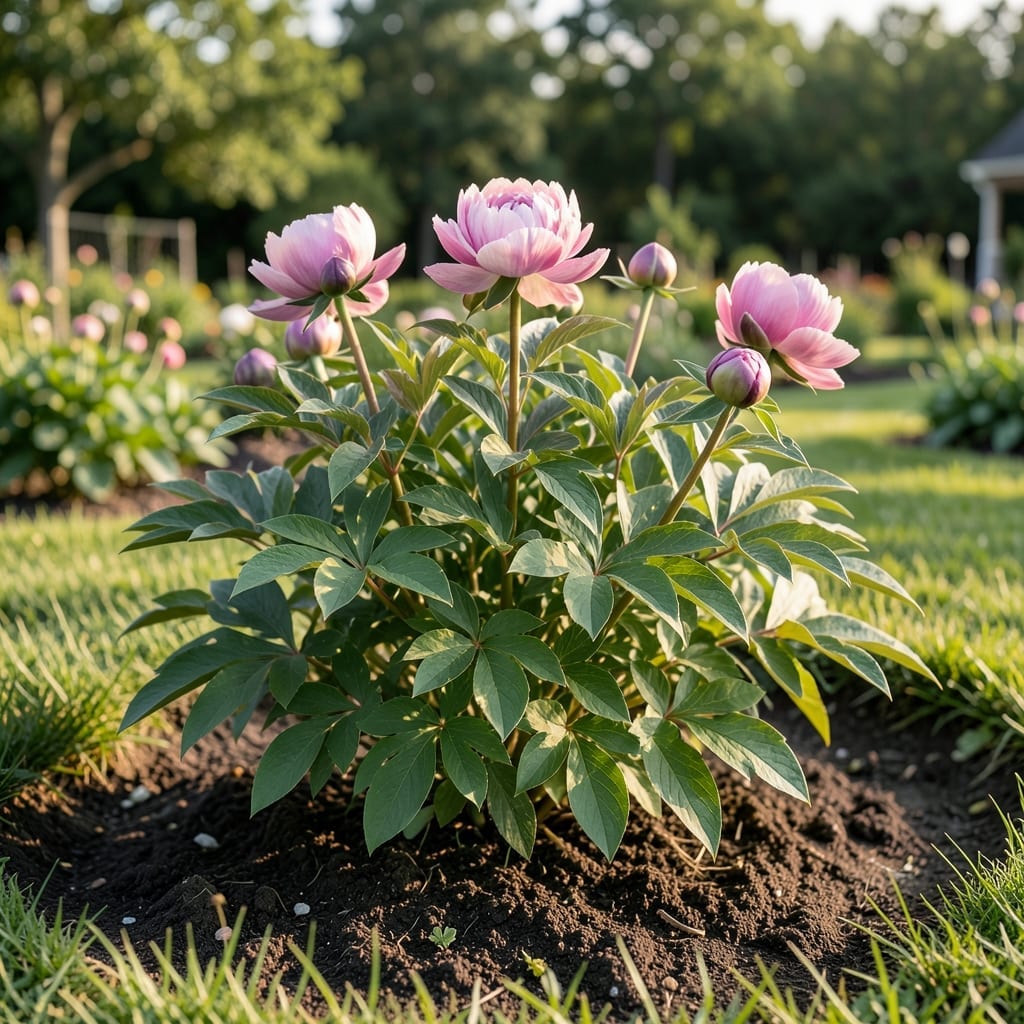
Purple peony leaves stopped me in my tracks last spring. The deep, unnatural color spreading across the foliage wasn’t the vibrant green I expected, and I knew something was seriously off.
Turns out, this isn’t just about aesthetics—purple leaves signal stress. Whether it’s a nutrient shortage, a cold snap, or something more serious, your peonies are trying to tell you they need help. I’ve dealt with all three.
Getting to the root means checking soil, recent weather, and the plant’s overall health. The good news? Most fixes are simple once you know what you’re dealing with.
With the right adjustments, those leaves turn green again in 2-3 weeks. Here’s how to diagnose and treat it fast.
Peony leaves turning purple often signal an underlying issue that disrupts normal plant physiology. Below are the most common causes, explained with actionable insights.
Purple foliage in peonies is frequently linked to phosphorus (P) deficiency. Phosphorus is vital for energy transfer and root development. When soil pH is too high (alkaline) or temperatures are cool, phosphorus becomes less available, leading to a buildup of anthocyanins—the pigments responsible for the purple hue. A soil test can confirm deficiencies. Amend the soil with bone meal or a balanced fertilizer (e.g., 10-10-10) to restore nutrient balance.
Sudden drops in temperature, especially in early spring, can trigger anthocyanin production as a protective mechanism. This is common in newly emerging leaves. While temporary purpling is normal, prolonged cold exposure can stunt growth. Shield young plants with mulch or frost cloth during unexpected cold snaps.
Excess moisture suffocates roots, limiting their ability to absorb essential nutrients like phosphorus. Waterlogged soil also encourages fungal pathogens, which may contribute to stress responses such as purple leaves. Ensure peonies are planted in well-draining soil and water only when the top inch of soil feels dry.
Certain fungal diseases, such as Botrytis or root rot, can disrupt nutrient uptake, indirectly causing leaf discoloration. Purple leaves may appear alongside spots or wilting. Treat infections with copper-based fungicides and improve air circulation around the plant to prevent recurrence.
If your peonies are sporting unusual purple leaves, don’t panic—there are clear fixes for each underlying cause. Here’s how to diagnose and treat the issue, along with ways to keep it from coming back.
Fix: Test your soil (a DIY kit works) to confirm phosphorus or magnesium shortages. Amend with bone meal (for phosphorus) or Epsom salt (1 tablespoon per gallon of water, applied monthly) for magnesium. Water deeply after applying.
Prevention: Feed peonies annually in early spring with a balanced, slow-release fertilizer (10-10-10). Mulch with compost to steadily boost soil nutrients. 💡
Fix: Shield plants from late frosts with frost cloth or a temporary row cover. If heat is the culprit, provide afternoon shade (use a shade sail or plant near taller perennials) and increase watering—1–2 inches per week during dry spells.
Prevention: Plant peonies in a spot with consistent temperatures and good air circulation. Avoid low-lying areas where cold air pools. ✨
Fix: Remove and destroy affected leaves (don’t compost them). Spray remaining foliage with neem oil or a baking soda solution (1 teaspoon baking soda, 1 quart water, plus a drop of dish soap) every 7–10 days until symptoms clear.
Prevention: Space plants 3–4 feet apart for airflow, water at the base (not overhead), and clean up fallen debris in autumn. 🎯
Fix: Stop watering immediately and let the soil dry out. If the area is soggy, improve drainage by amending with coarse sand or perlite. For potted peonies, repot into well-draining soil and a container with drainage holes.
Prevention: Use a moisture meter to check soil before watering—peonies prefer slightly dry conditions over wet feet. 🌱
Yes, new growth in spring often has a reddish-purple tint that fades to green as it matures. However, deep or widespread purple hues usually indicate stress. Watch for gradual color change over 1-2 weeks.
A balanced 10-10-10 fertilizer helps with general nutrient needs, but for phosphorus deficiency, bone meal works faster. Apply at the base and water deeply for best absorption.
With proper treatment, most peonies recover in 2-3 weeks. Phosphorus deficiency improves fastest, while fungal issues may require multiple treatments before you see results.