
Beautiful Plants For Your Interior
Beautiful Plants For Your Interior
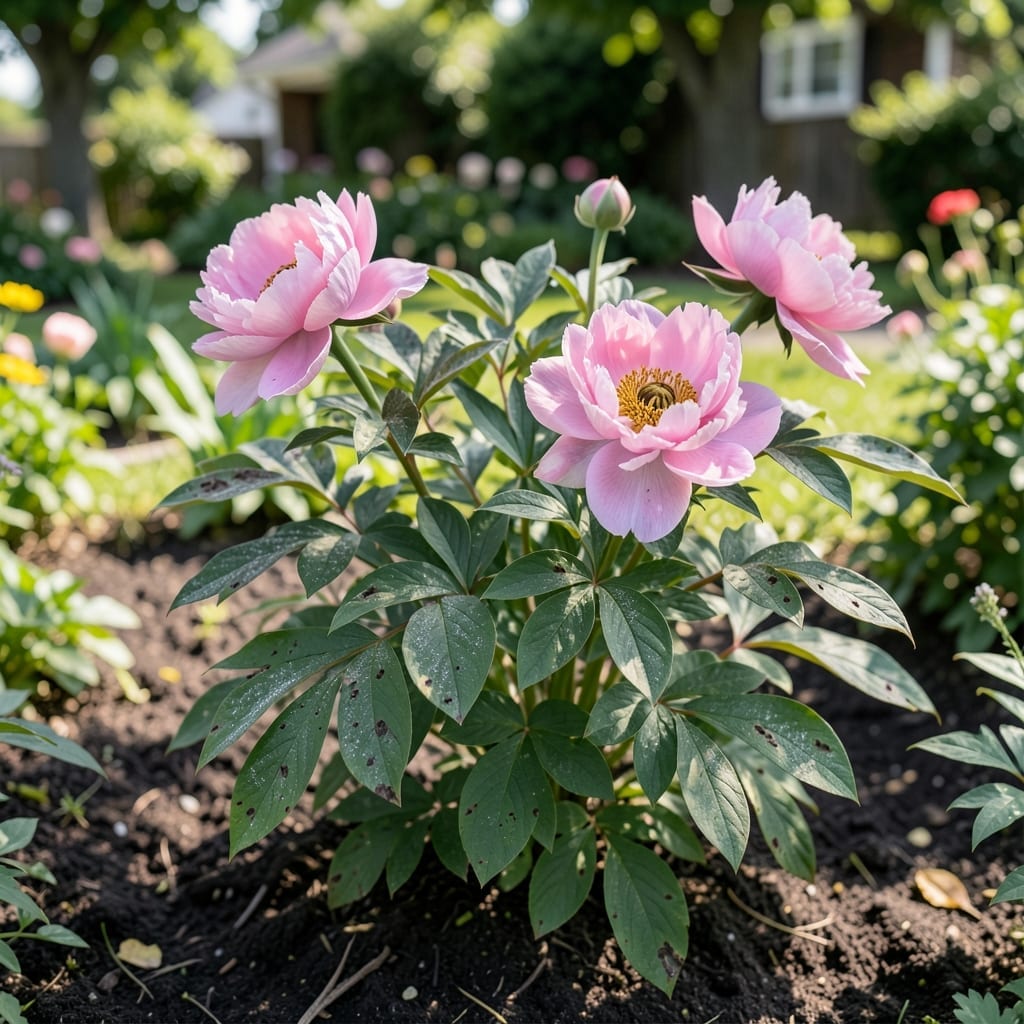
Your peonies should be the stars of your garden, not a source of frustration. I’ve seen too many gardeners lose their prized blooms to preventable issues, and it breaks my heart every time.
The good news? Most peony problems announce themselves early if you know what to look for. Spotted leaves, blackened stems, or powdery coatings are your plants crying for help. Catching these signs before they spread saves seasons of heartache.
With the right pictures and descriptions, you’ll diagnose issues in minutes instead of guessing for weeks. Early action means healthier plants and more blooms next year.
No advanced degree needed—just a sharp eye and a willingness to act fast. Here’s how to spot trouble and stop it in its tracks.
Peony diseases often stem from environmental, fungal, or bacterial factors. Understanding the root causes helps gardeners prevent and treat these issues effectively. Below are the primary reasons why peonies fall ill, along with actionable insights.
Fungal diseases like powdery mildew and botrytis blight thrive in damp conditions. Overwatering or poor soil drainage creates a breeding ground for spores. Phytophthora root rot, for example, develops when peonies sit in waterlogged soil, suffocating the roots. To combat this, ensure your garden bed has well-draining soil and avoid overhead watering, which wets the foliage.
Many peony diseases, such as leaf blotch (Cladosporium spp.) and rust, spread via airborne spores. These spores can travel from infected plants or debris, landing on healthy peonies. Prune and remove infected leaves immediately to limit spore dispersal. Additionally, space plants properly to improve airflow, reducing humidity that spores love.
Bacteria like Pseudomonas cause bacterial blight, leading to blackened stems and wilting leaves. These pathogens enter through wounds or splashing water. Sterilize pruning tools with rubbing alcohol between cuts, and water at the base of the plant to minimize bacterial spread. Remove and destroy infected plant parts to prevent recurrence.
Insects such as aphids and thrips weaken peonies by feeding on sap, creating entry points for diseases. Their honeydew also fosters sooty mold growth. Use neem oil or insecticidal soap to control pests and reduce disease vulnerability. Regularly inspect the undersides of leaves for early signs of infestation.
Peony diseases can be frustrating, but with the right approach, you can nurse your plants back to health. Below are targeted solutions for common peony ailments, along with prevention tips to keep them thriving.
Remove and destroy infected stems and leaves immediately to prevent the fungus from spreading. Thin out dense foliage to boost airflow, and avoid overhead watering. Apply a fungicide like copper or neem oil in early spring as a preventive measure.
Prevention tip: 💡 Space plants 3–4 feet apart and clean up garden debris in fall to reduce fungal spores.
Mix 1 tablespoon baking soda, 1 teaspoon dish soap, and 1 gallon of water, then spray affected leaves weekly. For severe cases, use a sulfur-based fungicide. Prune infected leaves and dispose of them in the trash—not compost.
Prevention tip: 🌡️ Water at the base of the plant in the morning so leaves dry quickly.
Cut off spotted leaves and stems at the first sign of trouble. Rotate peonies with non-susceptible plants yearly to break the disease cycle. Apply a copper fungicide every 10–14 days during wet seasons.
Prevention tip: ✨ Mulch with straw to prevent soil-borne spores from splashing onto leaves.
Dig up affected plants and trim black, mushy roots. Replant in well-draining soil or a raised bed. Avoid overwatering, and ensure containers have drainage holes.
Prevention tip: 🎯 Amend heavy clay soil with compost or sand to enhance drainage.
Look for white powdery spots, blackened stems, or brown leaf blotches. Fungal issues often appear after wet weather. Compare your plants to reference images for accurate identification.
Remove infected leaves immediately and avoid overhead watering. Sterilize pruning tools with rubbing alcohol between cuts. Improve airflow by spacing plants 3-4 feet apart.
Yes! A baking soda spray (1 tablespoon baking soda, 1 teaspoon dish soap, 1 gallon water) works well for powdery mildew. For severe cases, use copper fungicide every 10-14 days.