
Beautiful Plants For Your Interior
Beautiful Plants For Your Interior
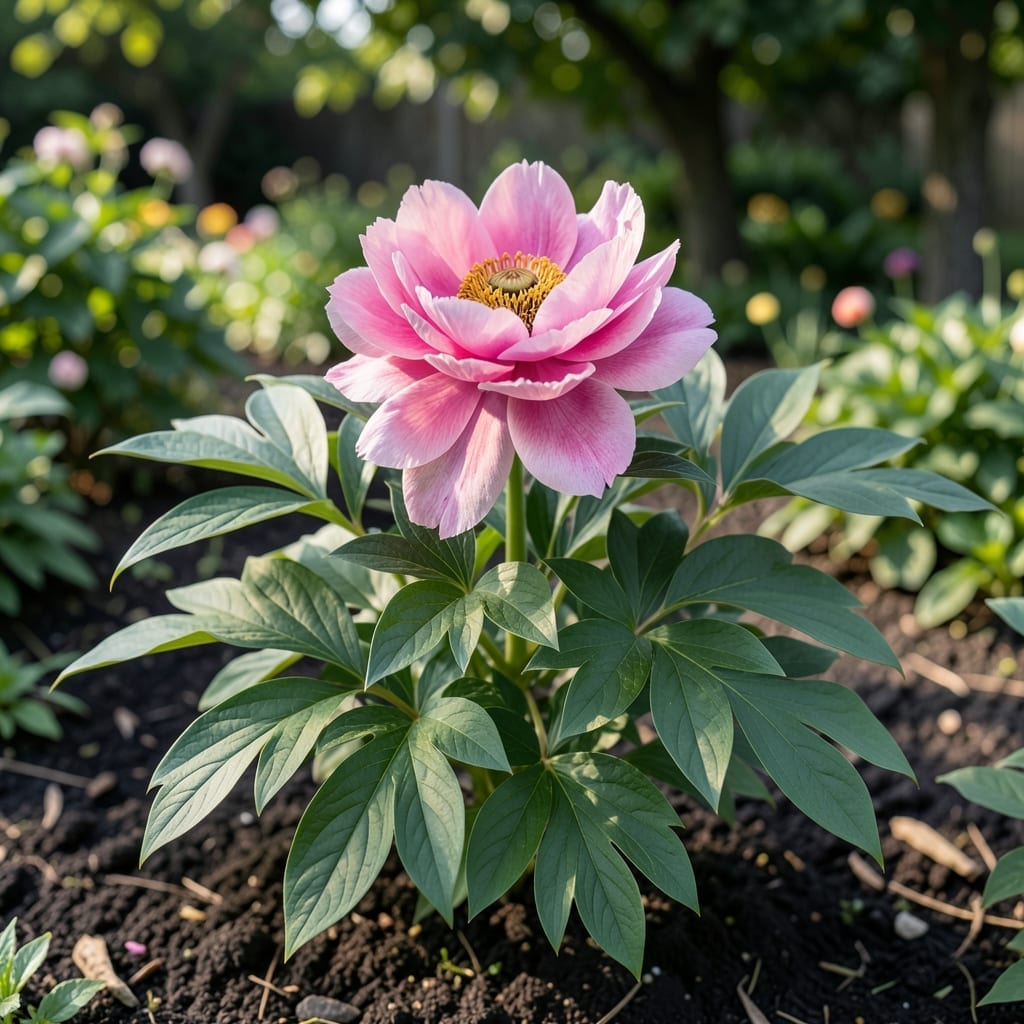
I spotted the first curled leaf on my peony last spring and knew something was wrong. 🌿 These lush plants shouldn’t look stressed, and when their leaves start twisting, it’s a clear signal that action is needed.
Early detection makes all the difference. Whether it’s aphids sucking the life out of new growth or a fungal issue spreading quietly, catching it fast means saving your plants—and your season. I’ve learned the hard way that ignoring it only makes things worse.
Organic remedies work, but only if you match the solution to the problem. A quick inspection and the right treatment can turn things around in a week or two. No harsh chemicals, just smart, targeted care.
With the right approach, your peonies will bounce back, unfurling healthy leaves ready to support those famous blooms. Here’s how to diagnose and fix it for good.
Peony leaves curl due to a mix of environmental stress, pests, and diseases. Below are the most common causes, explained clearly so you can diagnose and act fast.
Extreme heat or drought forces peonies to conserve moisture by curling their leaves inward. This reduces surface area exposed to the sun, minimizing water loss. Overwatering can also trigger curling by suffocating roots, leading to poor nutrient uptake. Check soil moisture—ideal peony soil should be moist but well-draining.
Aphids, thrips, and spider mites are notorious for sucking sap from peony leaves, causing them to curl as a stress response. Aphids, in particular, excrete honeydew, which can attract sooty mold, further damaging foliage. Inspect the undersides of leaves for tiny insects or webbing.
Fungal pathogens like Botrytis (gray mold) and bacterial leaf blotch can distort leaf growth, leading to curling. These diseases thrive in humid, poorly ventilated conditions. Look for dark spots, fuzzy growth, or a musty smell—classic signs of infection.
Even trace amounts of herbicides (e.g., 2,4-D) can cause hormonal imbalances in peonies, leading to twisted, curled leaves. This often happens when weed killers are applied nearby on windy days. Symptoms appear within days of exposure and may include cupped or strapped leaves.
If your peonies are sporting curled leaves, don’t panic—there are clear, actionable solutions. Below, we map common causes to their fixes, plus prevention tips to keep your plants thriving.
Fix: Remove and destroy affected leaves immediately to prevent spread. Spray remaining foliage with a neem oil solution (1 tbsp neem oil + 1 tsp dish soap + 1 gallon water) every 7–10 days. For severe cases, use a baking soda spray (1 tsp baking soda + 1 quart water + a few drops of soap).
Prevention: Improve air circulation by spacing plants 3–4 feet apart. Water at the base in the morning to allow foliage to dry quickly. Clean up fallen debris in autumn to reduce overwintering spores.
Fix: Blast pests off with a strong jet of water, then apply insecticidal soap or horticultural oil to both sides of leaves. For stubborn infestations, introduce beneficial insects like ladybugs or lacewings.
Prevention: Inspect plants weekly for early signs. Companion plant with garlic, chives, or marigolds to deter pests naturally. Avoid over-fertilizing, which attracts aphids.
Fix: For heat stress, provide afternoon shade with a shade cloth and mulch around the base to retain moisture. If overwatered, let the soil dry out between waterings. For drought, deep-water (1–2 inches) at the base 2–3 times per week.
Prevention: Plant peonies in well-draining soil with full sun to partial shade. Use a soil moisture meter to monitor watering needs.
Fix: Test soil pH (ideal: 6.5–7.0). Amend with compost or a balanced fertilizer (10-10-10) if nutrients are low. For iron deficiency (yellowing + curling), apply chelated iron per package instructions.
Prevention: Feed peonies in early spring with a slow-release fertilizer. Avoid high-nitrogen fertilizers, which promote leafy growth over blooms.
💡 Pro Tip: Always sterilize pruning tools with rubbing alcohol between cuts to avoid spreading disease!
Inspect leaf undersides for tiny insects like aphids or spider mites. Look for webbing, sticky honeydew, or visible bugs. A magnifying glass helps spot these pests early.
Yes, if caught early. New growth should appear healthy within 1-2 weeks. Severely damaged leaves may not unfurl, but the plant will produce fresh foliage.
Too much nitrogen promotes excessive leaf growth, making plants more susceptible to stress and curling. Stick to balanced fertilizers and follow recommended rates.
Only if caused by fungal diseases or pests. Environmental stress won’t spread, but fungal spores and insects can move to nearby plants. Isolate affected peonies when possible.