
Beautiful Plants For Your Interior
Beautiful Plants For Your Interior
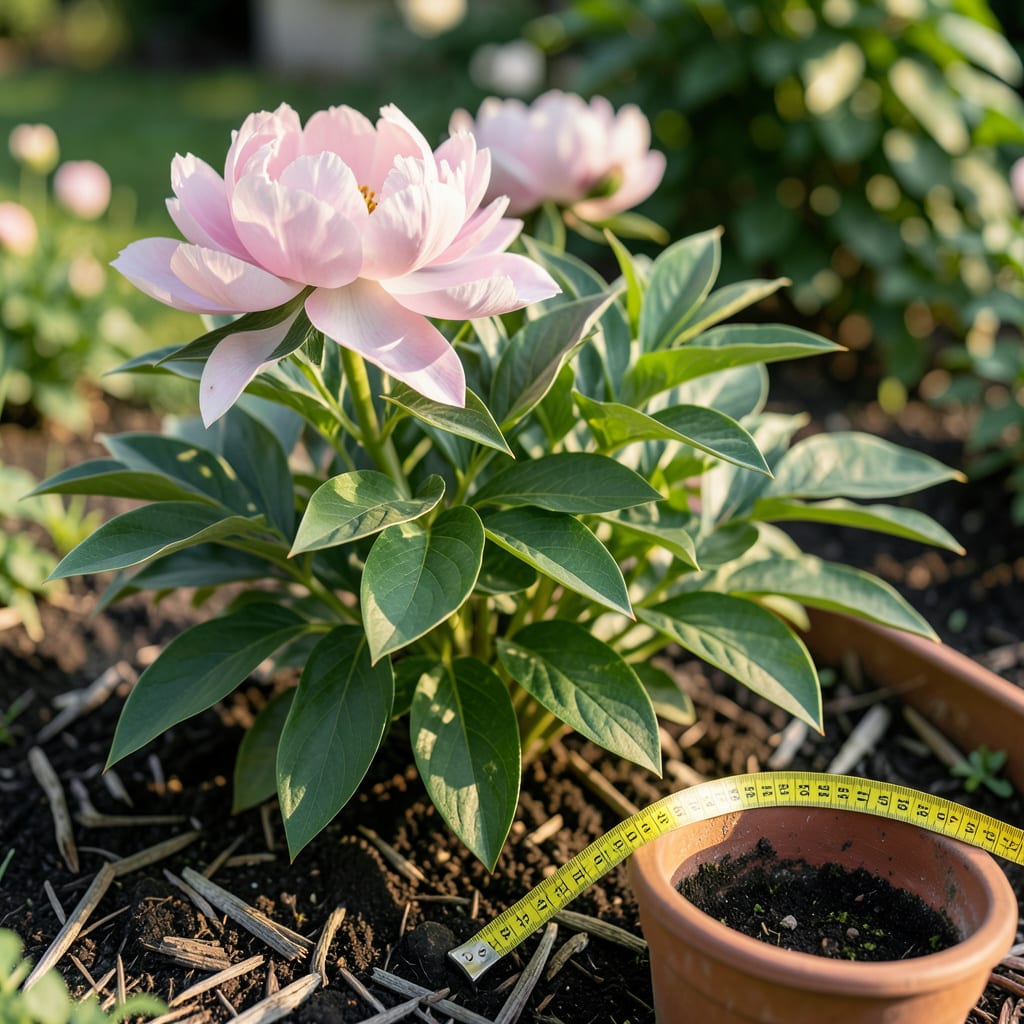
As I step into my garden, I’m immediately greeted by the stunning 🌸 peonies that have become a highlight of my outdoor space. These beautiful flowers can grow quite tall, typically reaching heights of 2-4 feet, making them a striking addition to any garden.
Understanding how tall peonies grow is essential for planning your garden layout and providing the right support for these gorgeous blooms. In this guide, we’ll explore the factors that influence peony height and share tips on how to care for these lovely flowers in USDA Zone 6a.


Peonies are renowned for their stunning blooms and lush foliage, making them a favorite among gardeners. Understanding their growth habits is crucial for garden planning. I always consider the mature size of plants when designing my garden layout 🌸.
The height of peonies can vary significantly based on the variety and growing conditions. Generally, peonies can grow anywhere from 2 to 4 feet tall. Some compact varieties may remain shorter, while others can reach impressive heights.
The height of peonies is influenced by several factors, including soil quality, sunlight, and care practices. Well-draining soil and adequate sunlight are essential for promoting healthy growth. Peonies generally require full sun to produce the best blooms.
In my experience, providing the right growing conditions can significantly impact the height and overall health of peonies. Regular watering and balanced fertilizer in early spring can help achieve optimal growth.
It’s also important to note that peonies are long-lived perennials, meaning they can thrive in the same spot for many years. This longevity makes them a great investment for gardeners looking to create a lasting landscape 🌿.
When selecting peony varieties, gardeners should consider the mature height to ensure proper placement in the garden. Taller varieties may require staking to prevent them from flopping over, especially when in full bloom.
Peonies are not only admired for their height but also for their beautiful blooms and lush foliage. They can serve as a stunning focal point in garden beds or borders.
For gardeners in USDA Zone 6a, peonies are an excellent choice as they are well-suited to the climate. Proper care, including regular watering and occasional fertilization, can help ensure that peonies reach their full potential.
By understanding the growth habits and expectations of peonies, gardeners can better plan and care for these beautiful plants. With the right conditions and care, peonies can thrive and provide years of enjoyment in the garden 🌼.
In summary, peonies typically grow between 2 to 4 feet tall, with variations depending on the type and growing conditions. By providing the right care and conditions, gardeners can enjoy these stunning plants for years to come.
Understanding the factors that influence peony height is crucial for gardeners who want to optimize their plant’s growth. I’ve found that soil quality plays a significant role in determining peony height. Well-draining soil that is rich in organic matter can help promote healthy growth and maximize height 🌿.
Another critical factor is sunlight exposure. Peonies generally require full sun to produce the best blooms, and adequate sunlight can help them reach their full height potential. In my experience, peonies that receive at least 6 hours of direct sunlight per day tend to grow taller and stronger 🔥.
Peonies can benefit from regular watering and balanced fertilization in early spring to promote healthy growth and maximize height.
In addition to soil and sunlight, care practices can also impact peony height. Regular watering, especially during dry spells, can help prevent stress and promote healthy growth. I’ve also found that mulching around the base of peonies can help retain moisture and regulate soil temperature 🌱.
It’s also important to note that fertilization can play a role in peony height. A balanced fertilizer applied in early spring can provide essential nutrients for healthy growth. However, over-fertilization can lead to weak, leggy growth, so it’s essential to follow recommended application rates 📝.
By understanding and addressing these factors, gardeners can create an optimal growing environment for their peonies. With the right conditions and care, peonies can thrive and reach their full height potential, providing years of enjoyment in the garden 🌼.
In summary, factors such as soil quality, sunlight exposure, and care practices all play a role in determining peony height. By optimizing these factors, gardeners can promote healthy growth and maximize the height of their peonies.
I always emphasize proper support for tall peony varieties to prevent damage from their heavy blooms. Using sturdy stakes or plant supports can help keep the plants upright and promote better growth 🌼.
When it comes to pruning, timing is crucial. For herbaceous peonies, I recommend cutting back the foliage to the ground after the first frost. This helps prevent disease and promotes healthy regrowth in the spring 🌱.
Install stakes or supports around the peony plants before they begin to bloom to prevent damage 🔩.
Remove spent blooms to encourage the plant to focus energy on root development rather than seed production 🌺.
Cut herbaceous peony stems to the ground after the first frost to prepare for winter and promote healthy regrowth ❄️.
By following these steps, gardeners can effectively manage peony height and ensure their plants remain healthy and vibrant. Proper support and pruning techniques are essential for maximizing the beauty and longevity of peonies 🌸.
In my experience, the key to successful peony care is understanding their growth cycle and providing appropriate support throughout the seasons. With the right techniques, peonies can be a stunning addition to any garden 🌼.
For gardeners in USDA Zone 6a, these techniques can be particularly beneficial as they help protect the plants from harsh winter conditions and promote vigorous growth in the spring 🌿.
Overall, managing peony height is a combination of providing proper support and practicing effective pruning techniques. By doing so, gardeners can enjoy the full beauty of their peonies year after year 🌺.
Peonies generally grow between 2 to 4 feet tall, depending on the variety. Herbaceous peonies typically reach 2-3 feet, while tree peonies can grow 3-4 feet tall. Intersectional peonies usually fall between 2.5-4 feet in height.
Several factors affect peony height, including soil quality, sunlight exposure, and care practices. Well-draining soil rich in organic matter and full sun (at least 6 hours of direct sunlight) promote healthy growth and maximum height. Regular watering and balanced fertilization in early spring also support optimal growth.
Taller peony varieties often need staking to prevent them from flopping over, especially when in full bloom. Using sturdy stakes or plant supports around the plants before they bloom can help keep them upright and promote better growth. This is particularly important for varieties that produce large, heavy flowers.
For herbaceous peonies, cut back the foliage to the ground after the first frost to prevent disease and promote healthy regrowth in spring. Remove spent blooms to encourage the plant to focus energy on root development. Proper pruning techniques help maintain plant health and maximize bloom quality.
