
Beautiful Plants For Your Interior
Beautiful Plants For Your Interior
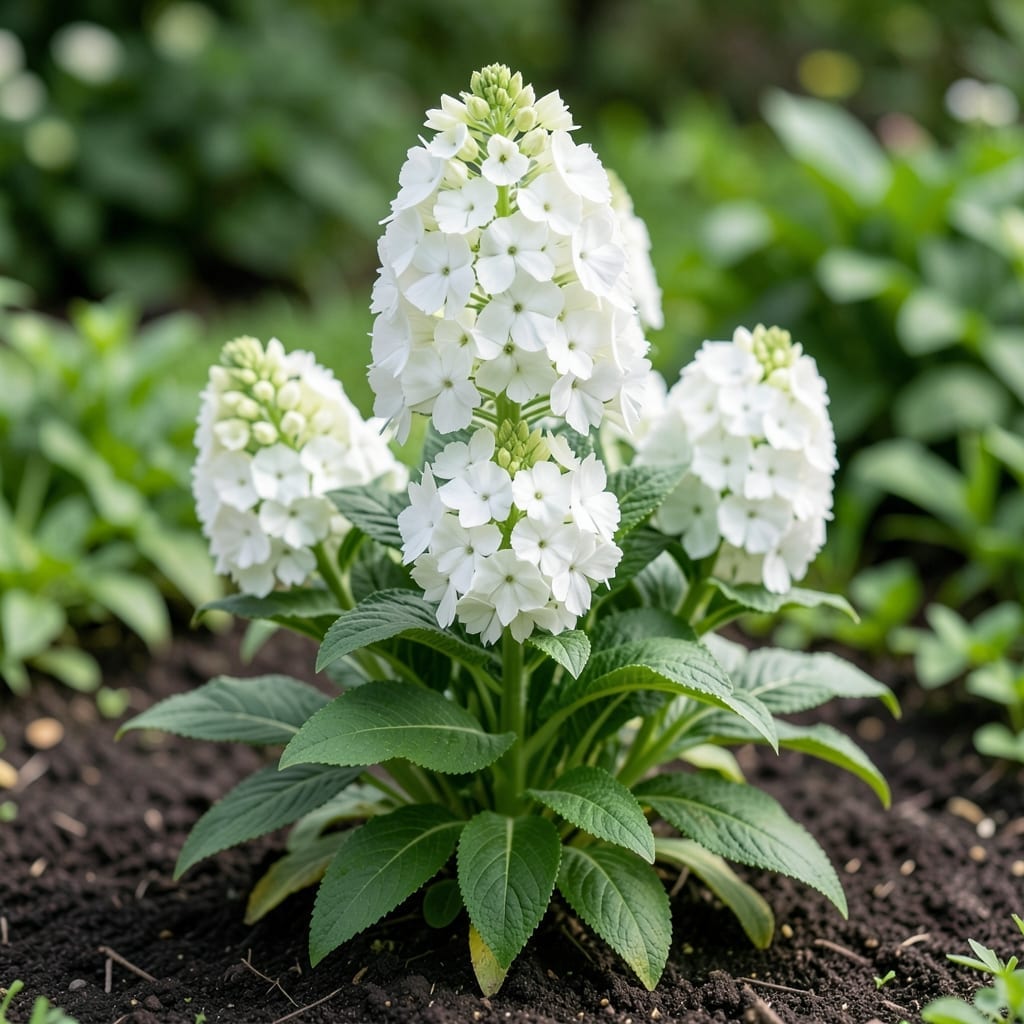
I fell hard for Peacock White Phlox the first time I saw its snowy clusters glowing in the twilight garden. This native beauty delivers months of blooms with almost no effort from me.
It thrives in full sun to partial shade and average soil, asking only for consistent moisture during its first season. Once established, it laughs at drought and comes back stronger every year.
📚 In This Guide
Here’s the method I use to keep my phlox thriving and flowering continuously through the season.
Select a spot with partial to full sun—at least 4-6 hours of direct sunlight daily. Peacock white phlox tolerates light shade, but too little sun results in sparse blooms and weak stems. I’ve found morning sun with afternoon shade works best in hotter climates to prevent petal scorch.
Ensure the soil is well-draining and rich in organic matter. If your soil is heavy clay, amend it with compost to improve drainage. The ideal pH is slightly acidic to neutral (6.0-7.0). Test your soil if you’re unsure—it’s a small step that prevents big headaches later.
Space plants 18-24 inches apart to allow for air circulation, which reduces the risk of powdery mildew—a common issue with phlox. Dig a hole twice as wide as the root ball but no deeper. Planting too deep can suffocate the crown and lead to rot.
Place the plant in the hole so the top of the root ball is level with the soil surface. Backfill with native soil, pressing lightly to remove air pockets. Water thoroughly after planting to settle the soil. I always add a 2-3 inch layer of mulch around the base to retain moisture and suppress weeds.
Keep the soil consistently moist but not soggy, especially during the first growing season as the plant establishes. Water at the base in the morning to allow foliage to dry before evening, reducing disease risk. Aim for 1-1.5 inches of water per week, including rain.
Once established, peacock white phlox is moderately drought-tolerant, but consistent moisture encourages the best blooms. If the top 1 inch of soil feels dry, it’s time to water. Avoid overhead watering to keep foliage dry and prevent fungal issues.
Pinch back the tips of new growth in late spring to encourage bushier plants and more flowers. This step is simple but makes a noticeable difference in bloom density. Use clean, sharp shears to remove spent flower clusters (deadheading) as soon as they fade.
Deadheading prevents the plant from setting seed and redirects energy into producing more blooms. For a neat appearance, trim back leggy stems by one-third after the first flush of flowers. I also remove any yellow or diseased leaves promptly to keep the plant healthy.
Apply a balanced, slow-release fertilizer (like 10-10-10) in early spring as new growth appears. Follow package instructions for amounts, but err on the side of less—over-fertilizing leads to excessive foliage and fewer flowers.
For extended blooms, I give my phlox a light top-dressing of compost in midsummer. Avoid high-nitrogen fertilizers late in the season, as they promote leafy growth at the expense of flowers. Watch for vibrant green leaves and steady bloom production as signs your plant is well-fed.
Small adjustments make a big difference in keeping your phlox blooming beautifully all season long.
Sunlight Strategy: That 4-6 hours of direct sunlight daily in Step 1 is non-negotiable for abundant blooms. In hotter climates, I’ve learned the hard way that morning sun with afternoon shade prevents petal scorch while still giving the plant what it needs. A south-facing spot with dappled afternoon shade works perfectly.
Soil Secret: The 6.0-7.0 pH range mentioned in Step 1 might seem like a small detail, but it’s crucial. I test my soil every spring—phlox hates soggy roots, so if your soil is heavy clay, amending with compost isn’t just helpful, it’s essential for good drainage.
Watering Wisdom: That 1-1.5 inches of water per week in Step 3 should be deep but infrequent. I water at the base in the early morning, and I check the top inch of soil before watering again. Overhead watering is a surefire way to invite fungal diseases, so keep that hose aimed low.
Pruning Pro Tip: When trimming back leggy stems by one-third in Step 4, use sharp shears to avoid tearing the stems. I also pinch back new growth in late spring—it sounds drastic, but it encourages bushier plants and way more flowers.
Keep soil moist but well-drained, and plant in partial to full sun. Prune faded blooms to encourage new flowers, and fertilize lightly in spring. Mulch helps retain moisture and suppress weeds.
This variety typically blooms from mid to late summer, with flowers lasting 4-6 weeks. Deadheading spent blooms can extend the flowering season.
If you love white blooms, consider Shasta daisies or white coneflowers for similar color. For phlox lovers, try ‘David’ (white) or ‘Bright Eyes’ (bicolor) varieties.
Lack of sunlight, over-fertilizing (especially with high nitrogen), or poor soil drainage can reduce blooms. Ensure 6+ hours of sun and well-draining soil for best results.
While no plant is 100% deer-proof, phlox is moderately resistant. For extra protection, use deer repellent or plant near less appealing species like lavender or boxwood.