
Beautiful Plants For Your Interior
Beautiful Plants For Your Interior
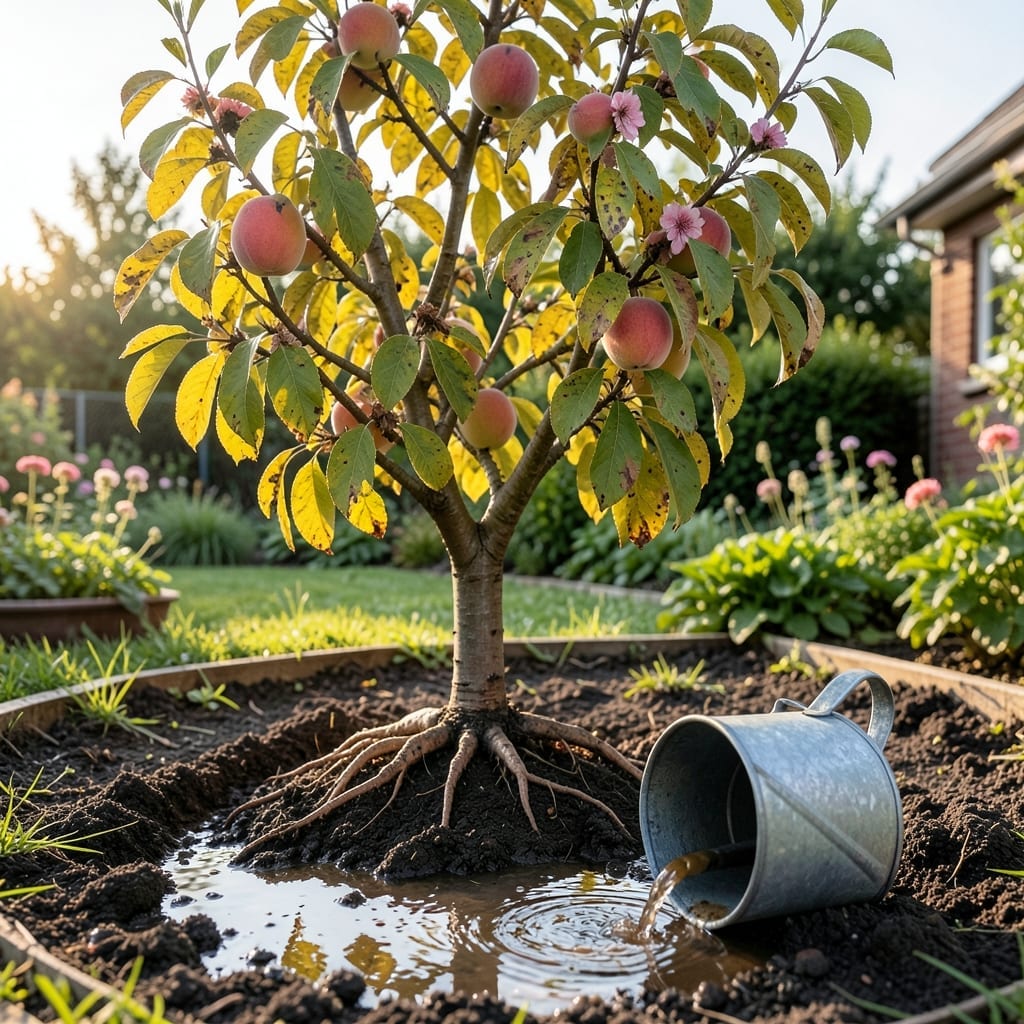
My peach tree looked like it was drowning, not growing. 🌱 Yellow leaves, mushy roots, and stunted growth screamed one thing: too much water. I learned the hard way that overwatering does more damage than drought for these trees.
The fix starts with understanding what’s happening below the soil. Peach trees need deep but infrequent watering—soggy roots suffocate, and root rot takes hold fast. Proper drainage and the right watering schedule can turn things around quickly.
Within 2-3 weeks of adjusting, you’ll see new growth and firmer leaves. The key is consistency: let the top few inches of soil dry out between waterings. This prevents rot while keeping the tree hydrated.
Works for young saplings and mature trees alike. Here’s how to save your peach tree before it’s too late.
Overwatering a peach tree disrupts its natural balance, leading to serious issues like root rot. Here’s why it happens:
When soil lacks proper drainage, water pools around the roots instead of flowing away. Peach trees thrive in well-draining soil, and stagnant water suffocates the roots, reducing oxygen uptake. This creates an anaerobic environment where harmful fungi, like Phytophthora, thrive and attack the roots.
Many gardeners assume more water equals healthier growth, but peach trees only need about 1–2 inches of water per week, including rainfall. Frequent, shallow watering encourages weak root systems, while deep, infrequent watering promotes resilience. Overwatering dilutes soil nutrients and washes away essential minerals, further stressing the tree.
Clay-heavy or compacted soil retains moisture for extended periods, increasing the risk of waterlogging. Peach trees prefer loamy, aerated soil that allows water to penetrate deeply and drain efficiently. Compacted soil prevents roots from expanding, making them more susceptible to rot and disease.
Rainfall, humidity, and temperature all influence a tree’s water needs. Overwatering during rainy seasons or in high-humidity climates exacerbates the problem. Similarly, cooler temperatures slow evaporation, leaving soil soggy for longer. Always adjust your watering routine based on weather conditions and soil moisture levels.
Overwatering can be a death sentence for your peach tree, but quick action can turn things around. Below are practical solutions for common overwatering issues, paired with prevention tips to keep your tree thriving.
If the soil around your peach tree feels soggy or retains water for days, drainage is the culprit. Fix it: Create small trenches or mounds around the base to redirect excess water. For severe cases, amend the soil with sand, perlite, or compost to loosen it up. If the tree is in a container, ensure the pot has drainage holes and elevate it to prevent water pooling.
Prevent it: 💡 Always check soil moisture before watering—stick your finger 2 inches deep; if it’s damp, hold off. Use a moisture meter for precision.
Yellow leaves often signal oxygen-starved roots from too much water. Fix it: Stop watering immediately and let the top 3–4 inches of soil dry out. If rain is frequent, cover the base with a tarp temporarily to shield it. Prune any severely damaged leaves to redirect the tree’s energy.
Prevent it: ✨ Water deeply but infrequently—once a week for mature trees, twice for young ones. Early morning is the best time to reduce evaporation and fungal risks.
If you spot mushy, dark roots or a foul odor, root rot has likely set in. Fix it: Carefully dig up the tree and trim away black or mushy roots with sterilized pruners. Soak the remaining roots in a hydrogen peroxide solution (1 part 3% peroxide to 10 parts water) to kill fungus. Repot in fresh, well-draining soil.
Prevent it: 🎯 Plant peach trees in raised beds or sloped areas to avoid water pooling. Apply a fungicide like copper sulfate as a protective measure during wet seasons.
Compacted, waterlogged soil suffocates roots, stunting growth. Fix it: Loosen the soil gently with a garden fork, taking care not to damage roots. Add organic matter like compost or peat moss to improve structure.
Prevent it: 🌡️ Mulch with wood chips or straw to regulate moisture and temperature, but keep mulch 6 inches away from the trunk to prevent rot.
Mature trees need 1–2 inches per week, including rain. Water deeply once weekly, twice for young trees. Always check soil moisture first.
Yellowing leaves and soggy soil are early warnings. Later, you may see stunted growth or mushy roots. Act fast to prevent root rot.
Yes, if caught early. Trim affected roots, treat with hydrogen peroxide, and repot in fresh, well-draining soil. Recovery takes 2-3 weeks.
Mulch regulates moisture but keep it 6 inches from the trunk. Use wood chips or straw to prevent waterlogging.