
Beautiful Plants For Your Interior
Beautiful Plants For Your Interior
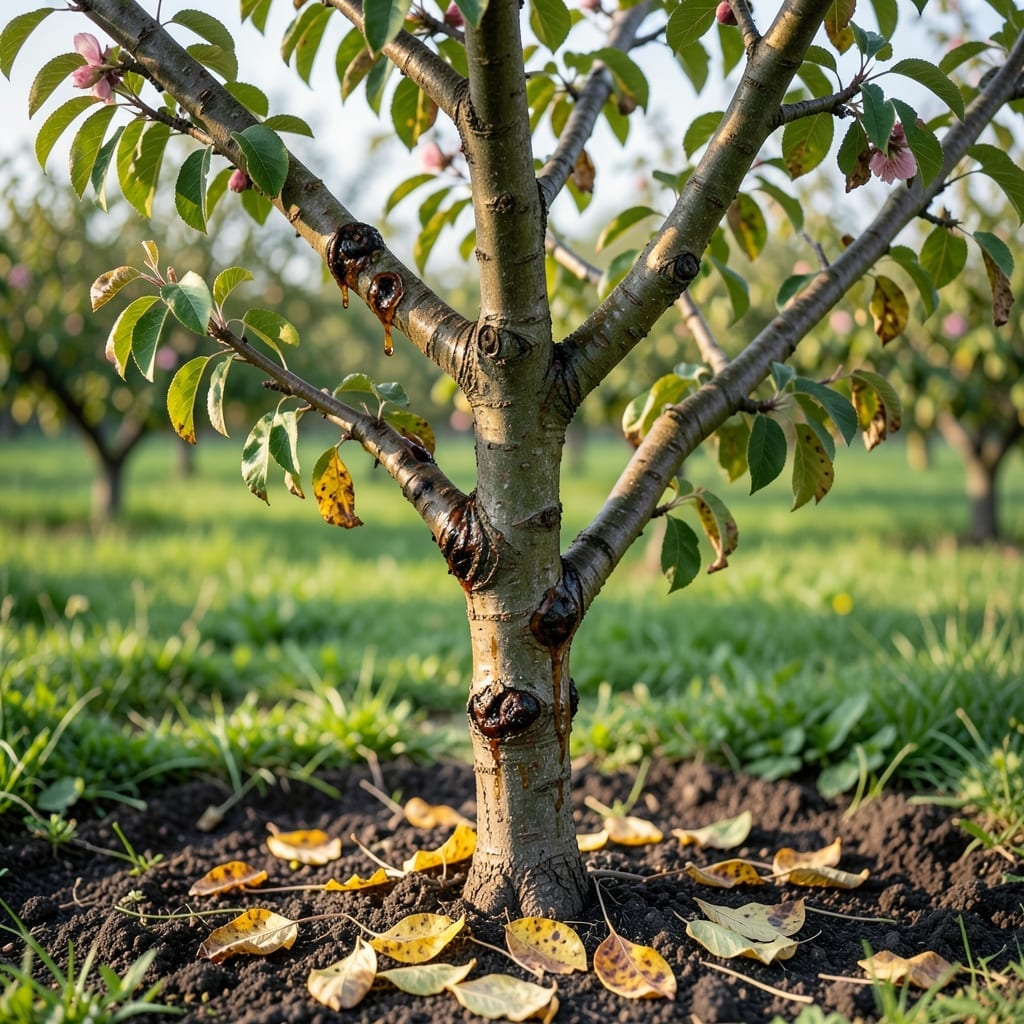
Brown leaves and spotted fruit don’t have to mean the end of your peach harvest. I’ve saved more than a few trees by catching problems early and acting fast with organic solutions.
Peach trees face a handful of common diseases like brown rot and leaf curl, but each shows distinct signs. A little observation goes a long way in diagnosing what’s really going on before it spreads.
Simple preventive measures like proper pruning, good airflow, and seasonal sprays can keep your trees healthy. The best defense is a tree that’s already strong and well cared for.
With the right approach, you’ll enjoy vibrant trees and a full crop of fruit year after year. Here’s how to spot trouble and stop it in its tracks.
Peach trees, like all plants, are vulnerable to diseases triggered by specific environmental, biological, and cultural factors. Understanding these root causes helps growers implement targeted prevention strategies.
Many peach tree diseases, such as brown rot (Monilinia spp.) and peach leaf curl (Taphrina deformans), are caused by fungal spores. These thrive in warm, wet conditions, spreading via wind, rain, or contaminated tools. Overhead watering and poor air circulation further encourage fungal growth.
Bacteria like Xanthomonas arboricola (causing bacterial spot) enter through wounds or natural openings, often during high humidity or rainfall. Infected pruning tools or splash water from soil can spread these pathogens rapidly across an orchard.
Insects such as aphids, scale, and borers weaken tree defenses and introduce viruses (e.g., Prunus necrotic ringspot virus). Their feeding creates entry points for secondary infections, compounding stress on the tree.
Overcrowding, improper pruning, or nutrient deficiencies (e.g., lack of nitrogen or potassium) stress peach trees, making them more susceptible. Waterlogged soil from poor drainage also promotes root rot (Phytophthora spp.).
Addressing these causes with sanitation, resistant varieties, and balanced care is key to prevention.
Keeping your peach trees healthy starts with quick action at the first sign of trouble. Below are practical fixes for the most common peach tree ailments, paired with prevention tips to stop them from returning.
Spot brown, fuzzy growth on fruit or blossoms? Prune infected branches immediately, cutting 2–3 inches below the damaged area. Disinfect tools with rubbing alcohol between cuts. Apply copper fungicide or neem oil to protect healthy tissue. Prevent it: Thin fruit early to improve airflow and remove fallen fruit/mummies from the ground.
If leaves look red, puckered, or distorted, it’s likely peach leaf curl. Once symptoms appear, it’s too late—treat in late winter with copper spray before buds swell. Remove and destroy infected leaves. Prevent it: Choose resistant varieties like ‘Frost’ or ‘Q-1-8’ and avoid overhead watering.
Sticky residue (honeydew) or black soot on leaves? Scrape off scale insects with a soft brush or cloth. For severe cases, use horticultural oil in dormant season. Prevent it: Encourage natural predators like ladybugs and keep ants (which protect scale) away with sticky barriers.
Small, angular spots on leaves or fruit? Remove infected plant parts and avoid watering from above. Apply bactericide (e.g., copper) at the first sign. Prevent it: Rotate crops, use drip irrigation, and plant in well-draining soil.
💡 Pro Tip: Always sterilize pruning tools with 10% bleach solution to avoid spreading disease between cuts!
Look for brown spots on fruit, curled leaves, or sticky residue. These often appear before more severe damage.
Yes! Use neem oil, copper sprays, or horticultural oil. Remove infected parts and improve airflow to prevent spread.
Prune for airflow, thin fruit early, and clean fallen leaves. Plant resistant varieties like ‘Frost’ or ‘Q-1-8’.
Late winter is ideal for copper sprays. For fungal issues, act at first sight to stop spread.