
Beautiful Plants For Your Interior
Beautiful Plants For Your Interior
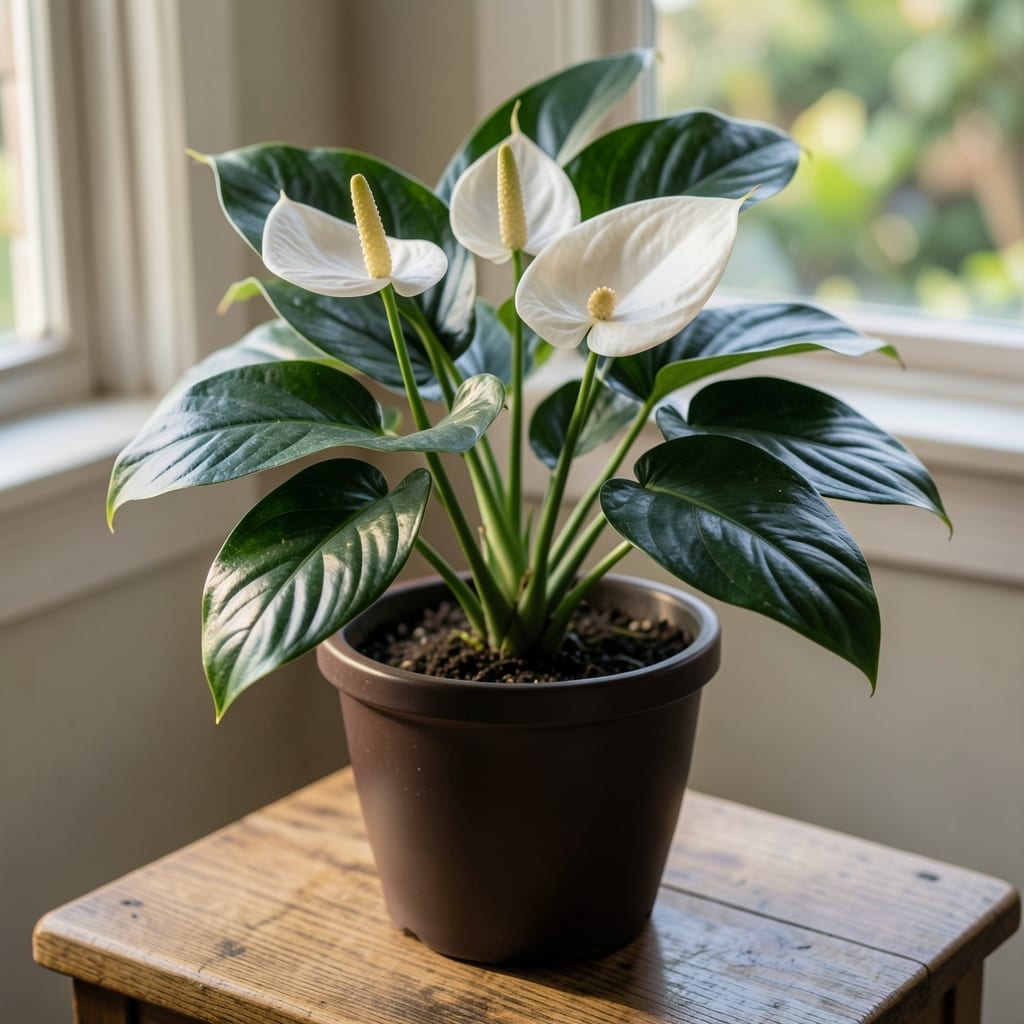
Your peace lily’s dramatic flop isn’t a death sentence. 🌱 I’ve nursed dozens back from the brink—usually it’s just thirst or a light issue screaming for attention.
These plants wilt faster than my willpower at a plant sale, but they’re impossible to kill once you learn their language. Drooping leaves often mean dry soil or too much shade—both easy fixes with the right approach.
Within 24 hours of proper care, you’ll see leaves perking up like they’re auditioning for a commercial. The trick is consistency, not complexity.
Works for neglected office plants or beloved living room specimens. Let’s decode what your peace lily’s really asking for.
A drooping peace lily is often a distress signal, and understanding the root causes can help you revive your plant quickly. Below are the most common triggers for this issue, explained scientifically and practically.
Peace lilies (Spathiphyllum) are tropical plants that thrive in consistently moist—but not waterlogged—soil. Underwatering causes the roots to dry out, leading to a lack of turgor pressure (the internal water pressure that keeps cells rigid). Without this pressure, the leaves and stems lose structural support and droop. On the other hand, overwatering suffocates the roots by reducing oxygen availability in the soil, leading to root rot. As roots decay, they can no longer absorb water or nutrients, resulting in wilting.
Peace lilies prefer bright, indirect light. In low-light conditions, the plant’s photosynthesis process slows down, reducing the energy (sugars) needed to maintain cell turgor and growth. This lack of energy causes the leaves to droop as the plant conserves resources. While peace lilies are known for tolerating low light, prolonged exposure can weaken them.
These plants thrive in temperatures between 65–80°F (18–27°C) and humidity levels of 40–60%. Exposure to cold drafts (below 50°F/10°C) or dry air can disrupt their cellular functions. Cold temperatures slow down metabolic processes, while low humidity increases transpiration (water loss through leaves), leading to dehydration and drooping. Similarly, sudden temperature fluctuations can shock the plant, causing temporary wilting.
If a peace lily has been in the same pot for years, its roots may become root-bound (overcrowded). This restricts water and nutrient uptake, as the roots have no room to expand and absorb resources efficiently. Additionally, compacted or poor-quality soil can prevent proper drainage and aeration, leading to stress and drooping. A well-draining, peat-based potting mix is ideal for maintaining healthy root function.
Peace lilies are resilient, and with a few adjustments, you can bring yours back to its lush, upright self. Here’s how to tackle the most common causes of drooping:
If the soil feels dry to the touch, your plant is thirsty. Soak the pot in a sink or basin of room-temperature water for 10–15 minutes, allowing the roots to absorb moisture fully. Drain excess water afterward to avoid root rot. Prevention tip: 💡 Check soil moisture weekly—stick your finger an inch deep. Water when the top inch feels dry.
Yellowing leaves or soggy soil? Stop watering immediately. Remove the plant from its pot, trim any black or mushy roots with clean scissors, and repot in fresh, well-draining soil. Prevention tip: ✨ Use a pot with drainage holes and a saucer to catch excess water. Empty the saucer after each watering.
Move your peace lily to a brighter location with indirect sunlight, like an east-facing window. Avoid harsh direct light, which can scorch leaves. Prevention tip: 🎯 Rotate the pot quarterly to ensure even growth and prevent leaning.
Keep your plant away from drafts, vents, or sudden temperature swings. Aim for a consistent range of 65–80°F (18–27°C). Prevention tip: 🌡️ Avoid placing it near heaters in winter or AC units in summer.
Use a balanced, water-soluble houseplant fertilizer (10-10-10 or 20-20-20) diluted to half strength. Feed every 6–8 weeks during spring and summer. Prevention tip: 🌱 Flush the soil with water every few months to remove salt buildup from fertilizers.
With these fixes, your peace lily should perk up within a few days to a week. Consistency is key—observe your plant’s response and adjust care as needed!
Most peace lilies perk up within 12-24 hours of proper hydration. If the soil was bone dry, expect visible improvement by morning. Severe dehydration may take 2-3 days for full recovery.
Yes! Unless the leaves are yellow or crispy, they’ll typically regain their vibrant green color as the plant rehydrates. Even severely drooping leaves can recover completely with prompt care.
This is normal transplant shock. Keep it in bright, indirect light and maintain consistent moisture for 1-2 weeks. Avoid fertilizing until you see new growth. The plant will stabilize.
Misting provides temporary humidity relief but won’t fix underwatering. For lasting results, water the soil thoroughly instead. Use misting as a supplement, not a primary solution.