
Beautiful Plants For Your Interior
Beautiful Plants For Your Interior
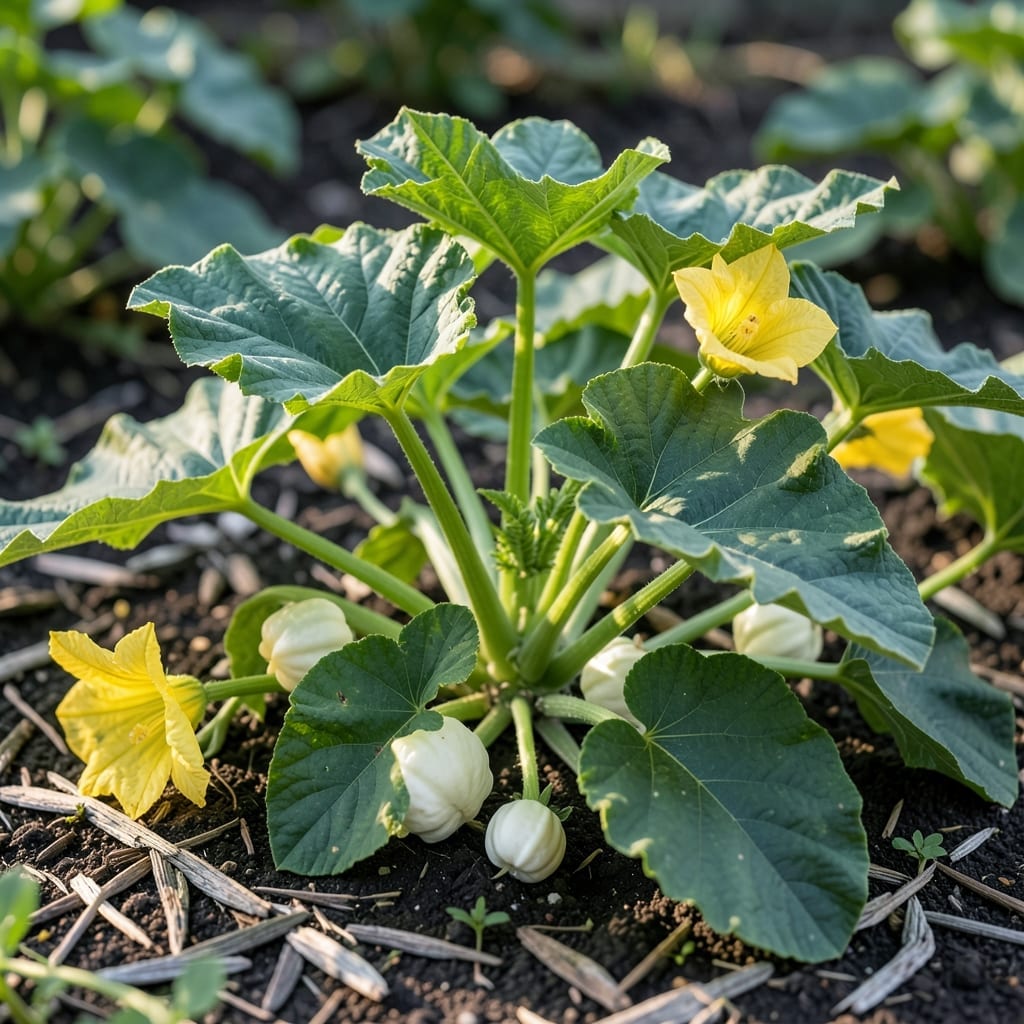
White pattypan squash changed my summer garden forever. The first time I grew these saucer-shaped beauties, I was shocked by how quickly they went from seed to harvest—just 50-60 days in warm soil.
They thrive in full sun with consistent moisture, producing tender fruits that taste even better than they look. One plant easily yields 20-30 squash per season, and the compact size fits perfectly in small spaces or containers.
📚 In This Guide
This proven method delivers the scalloped, buttery squash you’ll love with minimal fuss.
Choose a location with full sun exposure—at least 6-8 hours of direct light daily. Pattypan squash thrives in warm soil, so wait until temperatures reach 60°F at night. I always test the soil by feeling it barefoot; if it’s still chilly, the seeds won’t germinate.
Amend the soil with plenty of organic matter—compost or well-rotted manure works best. Work it into the top 12 inches of soil to ensure good drainage and fertility. These plants are heavy feeders, so rich, loose soil is non-negotiable for healthy growth.
Plant seeds 1 inch deep and 3-4 feet apart in rows spaced 5-6 feet apart. If you’re using transplants, set them slightly deeper than they were in their containers. This encourages additional root growth along the stem.
I space mine in a grid pattern rather than rows—it maximizes garden space and lets me tend to each plant easily from all sides. Water the area gently after planting to settle the soil around the seeds or roots.
Water deeply at the base of the plants, keeping the soil consistently moist but not soggy. Pattypan squash needs 1-2 inches of water per week, more during extreme heat. A drip irrigation system or soaker hose works best to avoid wetting the leaves, which can lead to mildew.
Once the plants are established, apply a 2-3 inch layer of organic mulch around them to retain moisture and suppress weeds. Straw or shredded leaves work well. You’ll notice the vines spread quickly—mulch keeps them clean and off the soil.
Watch for common squash pests like cucumber beetles and squash vine borers. I check the undersides of leaves daily and remove any eggs or pests by hand. Row covers can protect young plants, but remove them once flowering begins to allow pollination.
Fertilize when the first true leaves appear and again when the vines start to run. Use a balanced, water-soluble fertilizer or a side dressing of compost. You’ll see a burst of growth after feeding—this is the plant’s way of telling you it’s happy.
Pattypan squash is ready to harvest when the fruit is 2-3 inches in diameter and the skin is tender enough to pierce with a fingernail. The scalloped edges should be well-defined, and the color should be a pale, creamy white.
Harvest every 2-3 days to encourage continued production. Use a sharp knife or pruning shears to cut the fruit from the vine, leaving a short stem attached. If you wait too long, the squash becomes tough and seedy—so don’t let them linger once they reach size.
Small adjustments in your approach can make a big difference in your harvest.
Sunlight Essentials: The 6-8 hours of direct light daily requirement isn’t just a suggestion. I learned the hard way that plants in partial shade produce significantly fewer fruits with less defined scalloping. Position your patch where it gets that full sun exposure, especially in the afternoon when the light is strongest.
Soil Temperature Matters: Don’t rush planting before nighttime temperatures consistently reach 60°F. I test my soil by pressing my palm flat against it first thing in the morning—if it feels cold to the touch, wait another week. Cold soil delays germination and can stunt early growth, even if daytime temps are warm.
Watering Technique: The 1-2 inches of water per week guideline works best when delivered deeply at the base. I use a soaker hose on a timer set for early morning, which gives the soil time to absorb moisture before the heat of the day. Avoid overhead watering completely—wet leaves in the evening are an open invitation for mildew.
Harvest Timing: That 2-3 inch diameter window for harvesting is critical. Check plants every 2-3 days during peak production, as they can double in size overnight in warm weather. The fingernail test for skin tenderness is more reliable than color alone, as some varieties maintain that pale white hue even when overmature.
White pattypan squash is a small, scalloped summer squash with a mild, buttery flavor. Unlike zucchini or yellow squash, its unique shape and tender skin make it perfect for stuffing or roasting whole.
Plant seeds in late spring after the last frost when soil temperatures reach 60°F (15°C). It thrives in warm weather and typically matures in 50-60 days, making it ideal for summer harvests.
Yes! The thin, tender skin of white pattypan squash is entirely edible, especially when harvested young. Just wash it well before cooking to remove any dirt or residues.
Try stuffing them with herbs, cheese, or ground meat, then baking. They’re also delicious sautéed with garlic and olive oil or grilled with a sprinkle of salt and pepper for a simple side dish.
Lack of pollination is a common issue. Attract bees by planting flowers nearby, or hand-pollinate by transferring pollen from male to female flowers with a small brush.