
Beautiful Plants For Your Interior
Beautiful Plants For Your Interior
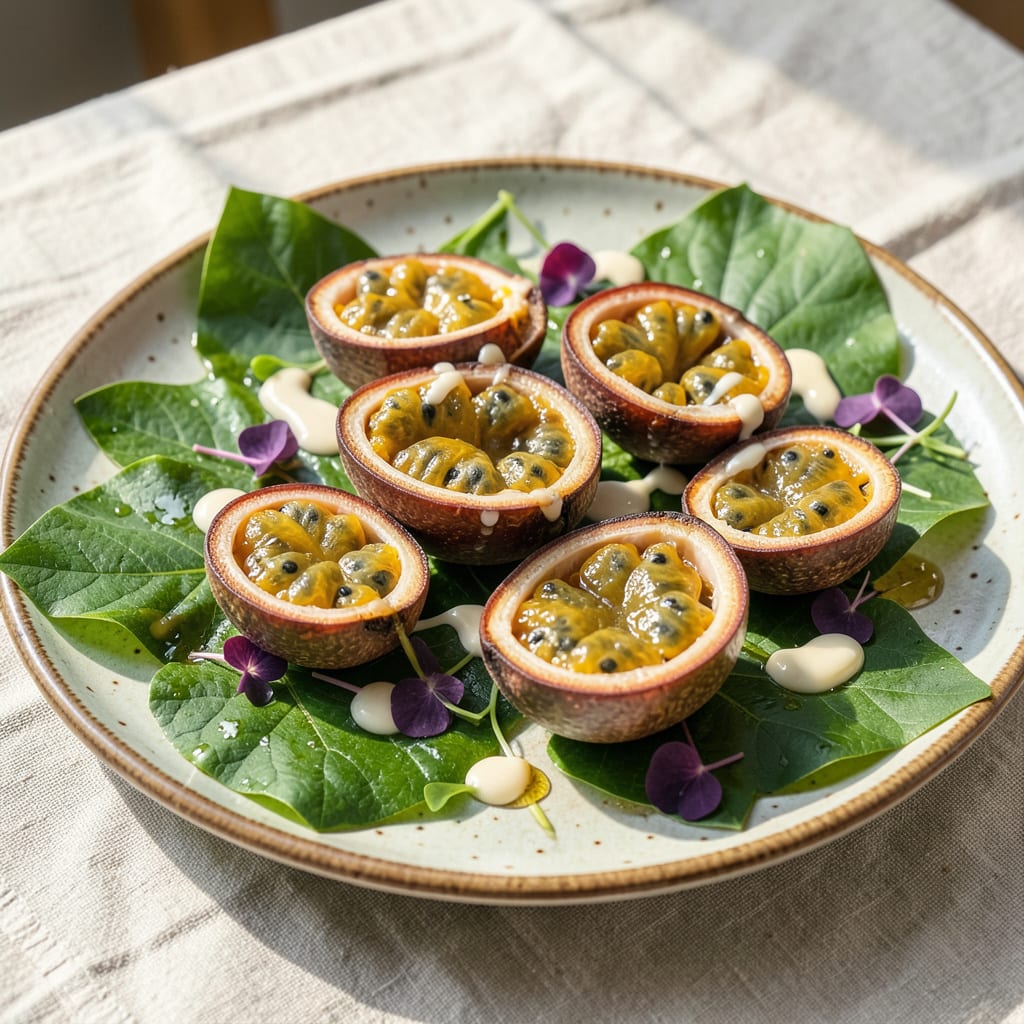
Passion fruit vines tell you exactly what they need through their leaves. I’ve learned to spot the early warnings before problems spiral out of control.
Yellowing often means hunger, brown spots scream fungus, and curled edges shout pests. Healthy leaves are deep green, smooth, and slightly glossy. Catch issues early and your vine will thank you with vigorous growth.
📚 In This Guide
Here’s how I track leaf health to ensure my vines stay vigorous and productive year after year.
Start by checking the color of your leaves weekly. Deep green indicates good nitrogen uptake and overall health, while yellowing often signals nutrient deficiency or overwatering. I look for consistent color across the entire leaf surface, not just the veins.
The texture should feel smooth and slightly leathery between your fingers. If leaves feel brittle or show dry, crispy edges, your vine likely needs more consistent watering. Don’t ignore subtle changes—early detection prevents bigger problems later.
Healthy passion fruit vines produce new leaves every 7-10 days during the growing season. Watch for fresh growth at the tips of vines and along the stems. The emerging leaves will be lighter green at first, gradually darkening as they mature.
If you notice stunted growth or leaves that stay small, check your fertilizer routine. I’ve found that a balanced feed every 2-3 weeks keeps growth steady. Also, ensure the vine has something to climb—without support, it’ll focus on survival rather than leaf production.
Leaves tell you if they’re getting enough light. In full sun (6+ hours daily), they’ll be thick and vibrant. If leaves appear thin or the vine stretches with wide spacing between leaves, it’s not getting enough light. I adjust my vine’s position gradually to avoid shocking it.
Watch for leaf scorch on the edges in extreme heat. This appears as brown, crispy patches and means the plant is losing water faster than it can absorb it. A light shade cloth during the hottest part of the day solves this for me every time.
Check the undersides of leaves weekly for pests like spider mites or aphids. You’ll see tiny webs or clusters of insects, and leaves may develop yellow spots. I use a strong spray of water first to dislodge pests before resorting to organic sprays.
Fungal issues often appear as brown or black spots with yellow halos. These spread quickly in wet conditions. Improve air circulation by pruning dense growth and water at the base rather than overhead. Early intervention here saves the entire vine.
As temperatures drop in fall, some yellowing is normal as the vine prepares for dormancy. But if leaves drop prematurely in summer, that’s a red flag. I’ve learned that passion fruit vines are sensitive to sudden temperature swings.
During winter in milder zones, evergreen varieties keep most leaves, while deciduous types lose them. If your vine loses more than 30% of its leaves out of season, investigate water stress or disease. Consistent monitoring keeps small issues from becoming major setbacks.
Here’s what I’ve learned from years of keeping my vines thriving instead of just surviving.
The Weekly Check: That weekly leaf color inspection in Step 1 isn’t just a suggestion—it’s your early warning system. I set a phone reminder so I never miss it, because catching yellowing or brittle edges early means fixing a watering issue before it stresses the whole plant.
Growth Timeline: In Step 2, when I say new leaves appear every 7-10 days, I’m serious about watching the calendar. If you hit day 12 with no fresh growth, don’t wait another week to investigate. Check your fertilizer schedule and supports immediately.
Sunlight Clues: Step 3 mentions full sun means thick, vibrant leaves. If yours are thin and spaced far apart, don’t just move the pot—do it gradually over a week. Passion fruit vines hate sudden changes in light exposure almost as much as they hate shade.
Pest Patrol: The weekly underside check in Step 4 should become habit. I keep a small spray bottle of water near my vines so I can blast off aphids the second I spot them. It’s amazing how many problems a strong jet of water can prevent.
Yellowing leaves often signal overwatering, nutrient deficiencies, or poor drainage. Check soil moisture and ensure proper fertilization with nitrogen or iron. Adjust watering habits and test soil pH for optimal growth.
Water deeply 1-2 times per week, allowing the top inch of soil to dry between waterings. Increase frequency in extreme heat but avoid soggy soil, as passion fruit vines prefer consistent moisture without waterlogging.
Yes! Passion fruit vine leaves can be dried and steeped to make a soothing herbal tea. Rich in antioxidants, it’s a popular alternative to traditional teas. Ensure leaves are pesticide-free before use.
Watch for aphids, spider mites, and fruit flies. Regularly inspect leaves for holes, webbing, or sticky residue. Use neem oil or insecticidal soap for organic pest control.
Prune in late winter or early spring to remove dead or overgrown leaves and encourage new growth. Avoid heavy pruning during active fruiting seasons to prevent stressing the plant.
