
Beautiful Plants For Your Interior
Beautiful Plants For Your Interior
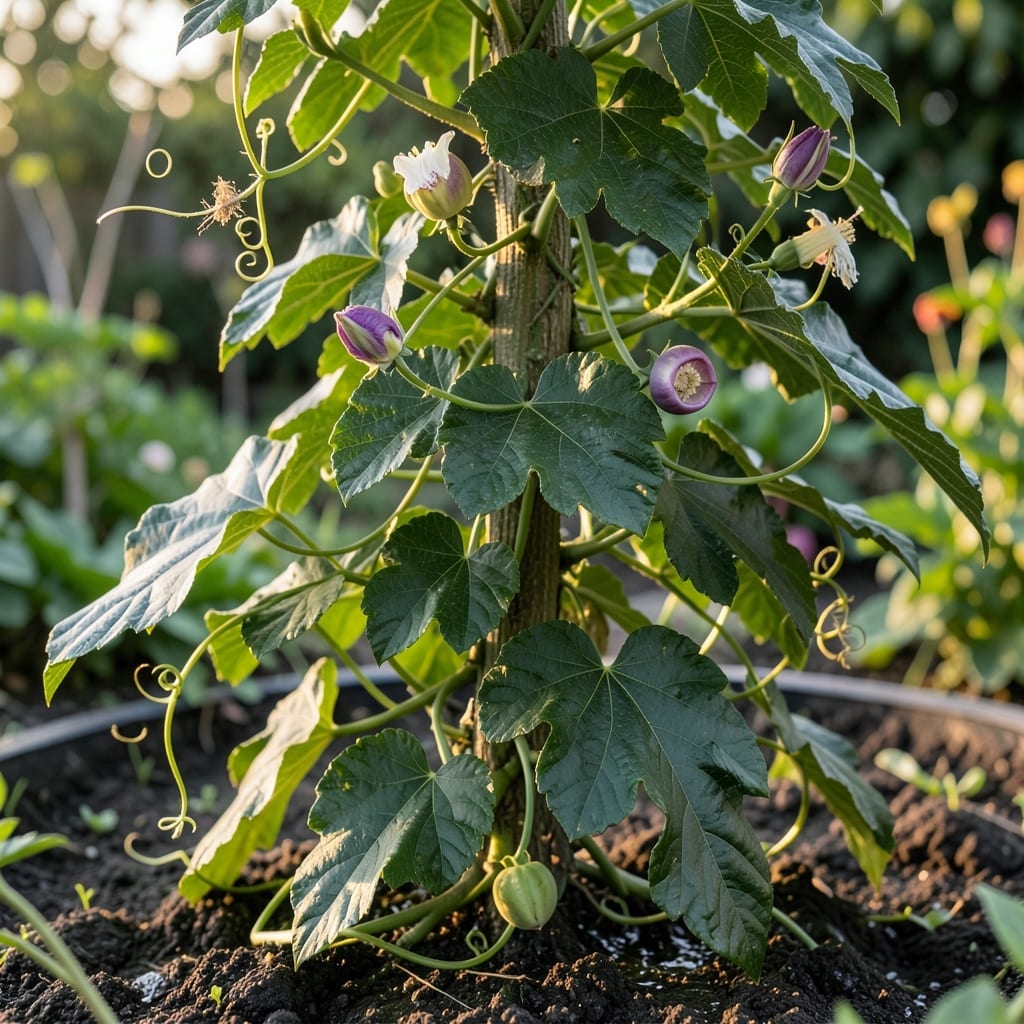
Those lush passion fruit vines can hide a surprising risk. I learned the hard way that the leaves contain compounds that can be harmful if not handled properly.
You’ll want to wear gloves when pruning and keep kids and pets away from fallen leaves. The good news? With simple precautions, you can enjoy the beauty and fruit without worry.
📚 In This Guide
Here’s how I safely manage these plants while avoiding any risks to my family or pets.
Passion fruit vines produce distinct three-lobed leaves that are deep green and slightly glossy. I always double-check the plant tag or consult a gardening guide to confirm the species before handling. The leaves grow alternately along the stem, and mature plants develop tendrils for climbing.
It’s crucial to distinguish the leaves from other look-alike plants, as some may have different toxicity levels. When in doubt, I isolate the plant until I can verify its identity through a trusted source or local extension office.
I put on long sleeves and gardening gloves before touching any part of the plant. This protects my skin from potential irritation caused by the leaves or sap. The vines can also have sharp tendrils, so gloves prevent scratches.
If I’m working with a large plant, I’ll also wear safety glasses to shield my eyes from stray debris or sap. After handling, I wash my hands thoroughly with soap and water, even if I wore gloves, to remove any residual plant material.
I place passion fruit vines in an area of the garden that’s inaccessible to kids and animals. The leaves, while not highly toxic, can cause mild stomach upset if ingested in large quantities. I also avoid composting fresh leaves or trimmings where pets might dig.
If I notice any fallen leaves or fruit on the ground, I pick them up immediately and dispose of them in a sealed yard waste bag. This prevents accidental ingestion by curious pets or children playing nearby.
After pruning or handling the plant, I check my skin for any redness, itching, or irritation. While reactions are rare, some people may experience mild contact dermatitis. If I notice any discomfort, I wash the area again and apply a cool compress to soothe the skin.
For pets, I watch for signs like vomiting, diarrhea, or lethargy after they’ve been near the plant. If any symptoms appear, I contact my vet right away. Most cases are mild, but it’s better to err on the side of caution.
If I harvest leaves for tea or other uses, I store them in a labeled, airtight container out of reach of children and pets. I clearly mark the container with the contents and the date to avoid any confusion later.
Fresh passion fruit can ferment quickly, so I refrigerate or process it promptly. I never leave harvested plant material unattended on countertops or tables where it could be mistaken for food by a child or pet.
These practical insights will help you manage these plants safely and confidently.
Identification Safety: In Step 1, always verify the plant species before handling. I once confused passion fruit leaves with a similar-looking vine, which led to unnecessary worry. Use a reliable gardening guide or consult your local extension office to confirm the three-lobed, deep green leaves characteristic of passion fruit plants.
Protective Gear Essential: Step 2 emphasizes wearing long sleeves and gardening gloves, and for good reason. The vines have sharp tendrils that can scratch, and the sap may cause irritation. I learned the hard way that skipping gloves can result in itchy skin. Safety glasses are also a smart addition when working with larger plants to protect your eyes from debris.
Secure Storage: For Step 5, always use a labeled, airtight container for harvested leaves. I store mine in a high cabinet, clearly marked with the date. This prevents any accidental ingestion by children or pets and ensures the leaves stay fresh for teas or other uses.
Monitoring Reactions: After handling the plant, as mentioned in Step 4, watch for any skin irritation or adverse reactions in pets. I keep a close eye on my dog whenever she’s near the garden, and I’ve found that a cool compress works wonders for any minor skin irritation I experience.
Yes, passion fruit leaves contain cyanogenic glycosides, which can release cyanide in large amounts. Avoid consuming them raw or in excess. Proper drying or cooking may reduce toxicity, but it’s best to avoid them unless prepared by an expert.
Yes, dried passion fruit leaves are often used for tea in traditional medicine, believed to aid relaxation and digestion. However, moderation is key—consult a healthcare provider before regular use, especially if pregnant or on medication.
If you experience dizziness, nausea, or difficulty breathing, seek medical help immediately. Drink plenty of water and avoid inducing vomiting unless instructed by a professional.
Absolutely! Try chamomile, peppermint, or hibiscus for a soothing, non-toxic herbal tea. These are widely recognized as safe and offer similar calming benefits.