
Beautiful Plants For Your Interior
Beautiful Plants For Your Interior
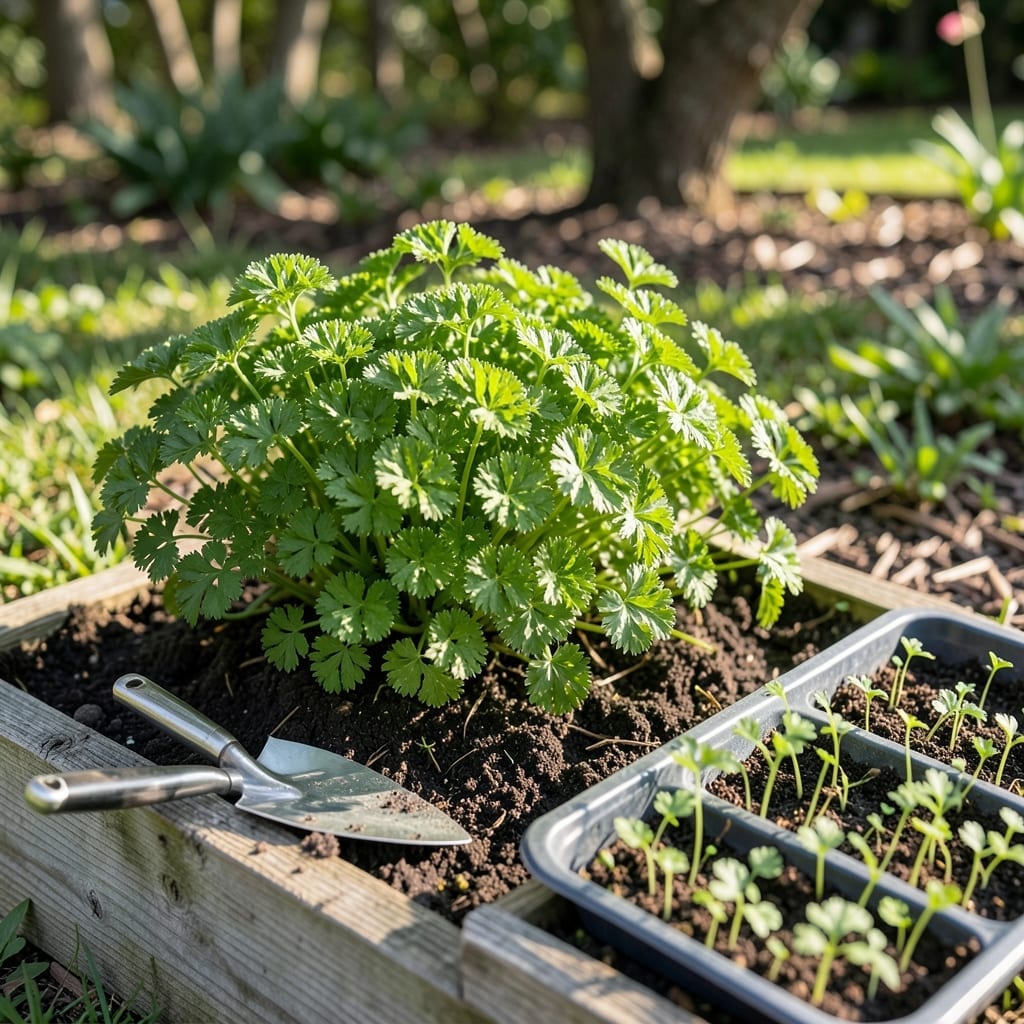
I used to think parsley was just a garnish until I grew my own. The difference between store-bought and homegrown is night and day.
Get the soil right—loose, well-draining, and rich—and give it 4-6 hours of sunlight daily. Within weeks, you’ll have lush, fragrant leaves ready for harvesting. Simple, rewarding, and perfect for any garden space.
📚 In This Guide
This method ensures robust, flavorful plants with minimal effort in any garden space.
Choose a location with full sun to partial shade, as parsley thrives in 4-6 hours of direct sunlight daily but tolerates less intense light. The soil should be well-draining with a pH of 6.0-7.0—slightly acidic to neutral works best. I test my soil with a simple kit before planting to avoid surprises.
Avoid low-lying spots where water pools after rain. Parsley roots rot quickly in soggy conditions. If your soil is heavy clay, amend it with compost to improve drainage and texture. You’ll notice the difference in leaf vibrancy within weeks.
Loosen the soil to a depth of 12-15 inches using a garden fork or tiller. This encourages deep root growth, which makes plants more drought-resistant. Mix in a 2-3 inch layer of aged compost or well-rotted manure to boost fertility and moisture retention.
Parsley isn’t a heavy feeder, but it responds well to rich, organic matter. I avoid fresh manure, as it can burn tender roots. The soil should feel crumbly in your hands—if it clumps tightly, it’s still too dense. Water the bed lightly after amending to help the compost settle.
Plant seeds ¼ inch deep and space them 6-8 inches apart in rows 12 inches apart. Parsley seeds germinate slowly, often taking 2-4 weeks, so patience is key. I soak seeds overnight in lukewarm water to speed up the process—this softens the seed coat and kickstarts germination.
Cover the seeds lightly with soil and mist the area gently to avoid displacing them. Keep the soil consistently moist but not waterlogged during germination. You’ll see the first tiny leaves (cotyledons) emerge, followed by the true leaves, which signal that the plants are establishing.
Once seedlings are 2-3 inches tall, thin them to 8-10 inches apart to prevent overcrowding. Water at the base of the plants, aiming for 1-1.5 inches per week, including rainfall. Parsley prefers even moisture, so mulch with a 1-inch layer of straw or shredded leaves to retain soil moisture and suppress weeds.
Fertilize lightly with a balanced, water-soluble fertilizer every 4-6 weeks if your soil isn’t naturally rich. Avoid over-fertilizing, as it can lead to excessive leafy growth with diminished flavor. Watch for yellowing leaves, which often indicate nutrient deficiency or overwatering.
Begin harvesting outer leaves once the plant has 3-4 segments, typically 70-90 days after sowing. Always cut from the outer edges, leaving the inner growth to continue developing. This encourages bushier growth and extends the harvest window.
Regular harvesting promotes new growth, but never remove more than one-third of the plant at a time. Parsley is a biennial, so it will produce for two seasons if protected from harsh winter conditions. In colder climates, mulch heavily or grow it in containers to move indoors during frost.
Small adjustments in your approach can make a significant difference in your parsley’s success.
Sunlight Strategy: In Step 1, aim for that 4-6 hours of direct sunlight daily, but if your space is limited, parsley will tolerate partial shade. I’ve found that morning sun with afternoon shade works particularly well in hotter climates to prevent leaf scorch.
Soil Depth Secret: When preparing your soil in Step 2, don’t skimp on the 12-15 inch depth for loosening. Shallow soil prep leads to weak root systems. The deeper you go, the more resilient your plants will be during dry spells.
Germination Patience: Parsley seeds are notoriously slow, with the 2-4 week germination period mentioned in Step 3. Soaking seeds overnight in lukewarm water as suggested can cut this time nearly in half, but don’t rush the process—patience pays off.
Thinning Technique: In Step 4, thinning seedlings to 8-10 inches apart might feel counterintuitive when they’re tiny, but overcrowding leads to spindly plants. The strongest seedlings will thank you with bushier growth and better flavor.
Plant parsley in early spring or fall for cool-season growth. Start seeds indoors 10-12 weeks before the last frost, or sow directly outdoors when soil temps reach 50°F (10°C). It thrives in mild weather!
Yes! Parsley tolerates partial shade (4-6 hours of sunlight daily), though full sun (6+ hours) yields the most flavorful, lush growth. In hot climates, afternoon shade helps prevent bolting.
Yellow leaves often signal overwatering, poor drainage, or nutrient deficiencies (like nitrogen). Check soil moisture—let it dry slightly between waterings—and fertilize lightly with balanced compost.
Try cilantro or chervil for similar fresh, herbal flavors. Both prefer cool weather and can replace parsley in recipes. For garnishes, dill or basil work well too!
Keep soil consistently moist and provide afternoon shade in hot weather. Harvest outer leaves regularly to encourage bushy growth, and avoid letting the soil dry out completely.