
Beautiful Plants For Your Interior
Beautiful Plants For Your Interior
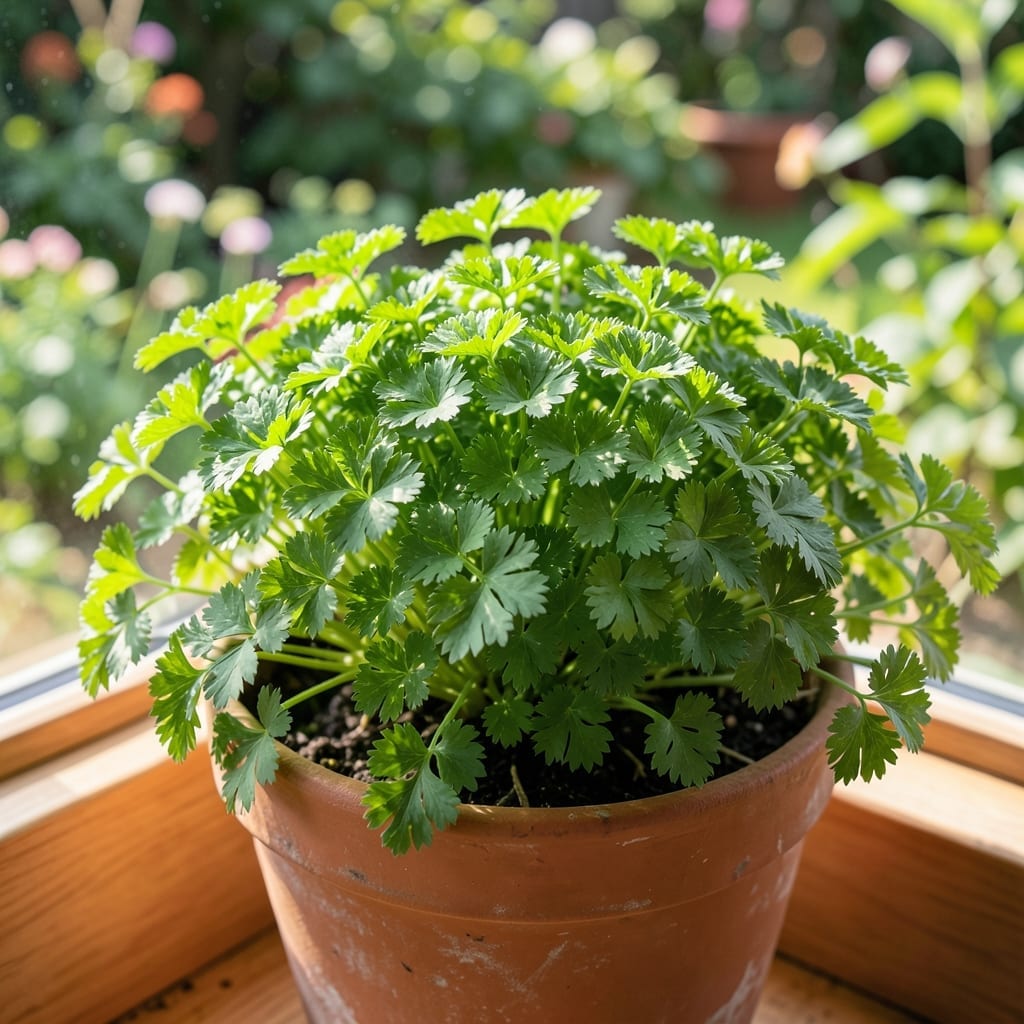
Yellow parsley means something’s wrong, but it’s usually an easy fix. I’ve saved countless plants by catching the problem early—before the whole bunch turns sad and wilted.
Most often, it’s too much water or not enough light. Parsley hates soggy roots and dim corners. Check the soil first: if it’s damp an inch down, you’re overdoing it. Move it somewhere brighter if the leaves look pale.
A little yellow is normal on older leaves, but widespread discoloration means action. Adjust watering, add a balanced fertilizer, or inspect for pests hiding underneath. Results show in a week.
Prevention is simpler than cure. Well-draining soil, 6 hours of light, and consistent care keep parsley green and thriving all season long.
When your parsley starts turning yellow, it’s often a sign of stress or imbalance. Here are the most common causes, broken down for quick diagnosis and action:
Parsley roots need oxygen, and soggy soil suffocates them. Overwatering leads to root rot, where Phytophthora or Pythium fungi thrive in waterlogged conditions, blocking nutrient uptake. Yellowing starts at the base and spreads upward. Fix: Let the top 1-2 inches of soil dry out between waterings, and ensure pots have drainage holes.
Parsley prefers 60–75°F (15–24°C). Heat above 85°F (29°C) or cold snaps below 50°F (10°C) disrupt chlorophyll production, causing yellowing. Heat stress often appears as bleached or crispy edges, while cold damage may darken leaves before they yellow. Fix: Move potted parsley to shade during heatwaves or indoors if frost threatens.
Yellowing can signal a lack of nitrogen (uniform pale yellow) or iron (yellowing between veins, called interveinal chlorosis). Nitrogen deficiency hits older leaves first, while iron deficiency affects new growth. Fix: Use a balanced fertilizer (10-10-10) for nitrogen or chelated iron supplements for iron-poor soil.
Sap-sucking pests like aphids, spider mites, or whiteflies drain nutrients, causing yellow spots or mottling. Check leaf undersides for tiny insects or webbing. Fix: Blast off pests with water or apply neem oil weekly until resolved.
Parsley needs 6–8 hours of sunlight daily. Too little light slows photosynthesis, leading to yellow, weak growth. Leggy stems with small, pale leaves are a red flag. Fix: Relocate to a sunnier spot or use grow lights for indoor plants.
When your parsley starts turning yellow, quick action can revive it. Below are targeted fixes for the most common causes, along with prevention tips to keep your herbs thriving.
If soggy soil is the culprit, stop watering immediately and let the top inch of soil dry out. Repot the parsley in fresh, well-draining soil if root rot is present. Use a pot with drainage holes to prevent waterlogging. Prevention tip: 💡 Water only when the topsoil feels dry to the touch—parsley prefers slightly moist, not soaked, conditions.
Parsley needs 4–6 hours of sunlight daily. Move potted parsley to a sunnier windowsill or balcony. For garden plots, thin out nearby plants casting shade. Prevention tip: ✨ Rotate indoor pots weekly to ensure even light exposure.
A lack of nitrogen or iron often causes yellowing. Use a balanced, water-soluble fertilizer (10-10-10) every 4–6 weeks during growing season. For iron deficiency, add chelated iron to the soil. Prevention tip: 🎯 Mix compost into the soil at planting time for a nutrient boost.
Check undersides of leaves for aphids or spider mites. Blast them off with water or apply neem oil spray. For severe cases, prune affected stems. Prevention tip: 🌡️ Keep plants clean and avoid over-fertilizing, which attracts pests.
Parsley dislikes extreme cold or heat. Move pots indoors if temperatures drop below 50°F (10°C) or rise above 85°F (29°C). Use mulch to protect garden plants from temperature swings. Prevention tip: ⏰ Acclimate plants gradually to outdoor conditions after winter.
Check the soil by sticking your finger 1-2 inches deep. If it feels damp, hold off on watering. Yellowing at the base with mushy stems signals overwatering.
A balanced 10-10-10 fertilizer works for nitrogen deficiency. For iron issues, use chelated iron. Apply every 4-6 weeks during growing season.
Older yellow leaves won’t recover, but new growth will if you fix the issue. Prune damaged leaves and adjust care. Results appear in about a week.
Yes, parsley struggles below 50°F (10°C). Bring potted plants inside or use mulch for garden parsley to protect from cold snaps.