
Beautiful Plants For Your Interior
Beautiful Plants For Your Interior
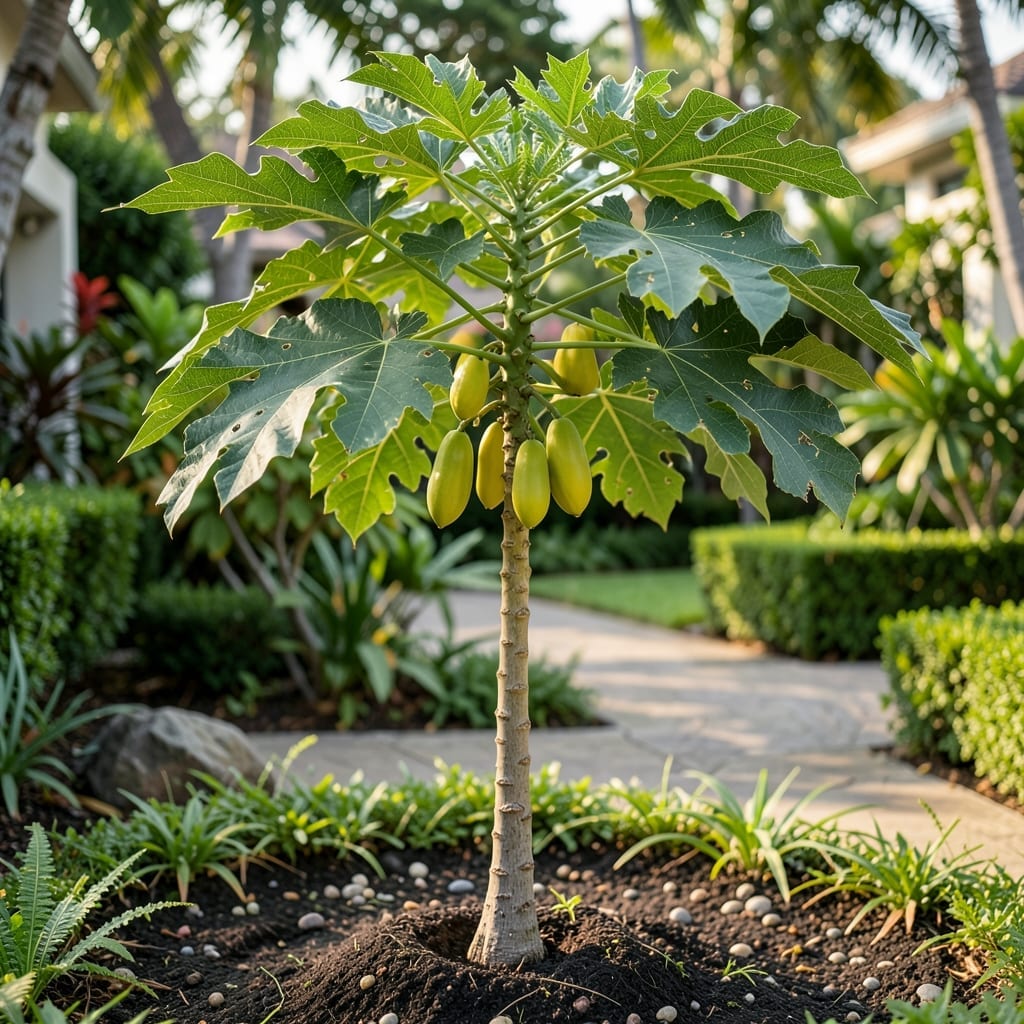
If you’ve ever dreamed of plucking ripe 🍈 Papaya from your own tree, knowing the right climate is crucial. These tropical beauties aren’t just for exotic vacations – they can thrive in your backyard with the right conditions.
I’ve learned that getting the environment right makes all the difference between a struggling plant and a bountiful harvest. The good news? You might be closer to growing papayas than you think.
From the perfect temperature range to the ideal growing zones, there’s a simple science to cultivating these sweet fruits. Let me walk you through what works and what doesn’t.
Discover how to create the perfect home for your papaya tree, whether you’re in zone 10-12 or need to get creative with containers and protection.
If you’re dreaming of homegrown papayas, the first step is knowing your USDA hardiness zone. These tropical trees thrive in warm climates, and getting the zone right is crucial for healthy growth and fruit production.
Papayas are not frost-tolerant and require consistent warmth. They do best in zones 10-12, where temperatures rarely dip below 30°F. Even light frosts can damage or kill these sensitive plants.
| Requirement | Specification |
| Ideal Hardiness Zone | 10-12 |
| Minimum Temperature | 30°F (-1°C) |
| Best for Outdoor Growth | Zones 10-11 |
| Indoor/Greenhouse Option | Zones 9 and below |
| Soil Requirement | Well-draining, sandy loam |
| Sun Requirement | Full sun (6+ hours) |
In zone 9, papayas may survive mild winters with protection, but they won’t produce fruit reliably. The sweetest harvests come from zones where temperatures stay above 32°F year-round.
Microclimates can make a big difference. A sheltered spot near a south-facing wall or in a urban heat island can help papayas thrive in slightly cooler areas than expected.
For those in cooler zones, don’t give up hope. With the right care, you can grow papayas in containers and bring them indoors during cold months. This method works well for zone 9 gardeners.
Well-draining soil is essential for papayas. They hate soggy roots, so amending your soil with compost or sand can create the perfect growing environment in any suitable zone.
Remember that wind protection is also important. Papayas have shallow roots and can be damaged by strong winds, especially when they’re young and establishing themselves.
In their ideal zones, papayas can grow remarkably fast, sometimes reaching 10 feet in a single season. They typically begin producing fruit within 1-2 years of planting.
The Hawaiian Solo variety is particularly well-suited to home gardens in zones 10-11. It’s self-pollinating and produces sweet, small fruits perfect for fresh eating.
For the best results, plant your papaya in spring or early summer. This gives it the longest possible growing season to establish before any potential cool weather.
If you’re in Zones 8 or below, don’t give up on papayas! With some creative strategies, you can still enjoy these tropical fruits. The key is protection from cold and maximizing warmth.☀️
I’ve found that container gardening works wonders. Plant your papaya in a large pot with well-draining soil and move it indoors when temperatures drop below 32°F. This keeps your plant thriving year-round.
Another trick is using a greenhouse or cold frame. These structures trap heat and create a microclimate that mimics Zone 10-11 conditions. Even a DIY hoop house can make a big difference.
For in-ground plants in Zone 9, heavy mulching is essential. Apply a 4-6 inch layer of organic mulch around the base to protect roots from freezing temperatures.🌱
If frost is forecasted, cover your papaya with frost cloth or blankets. This simple step can prevent cold damage and buy you a few extra weeks of growth.
Remember, papayas are fast growers. In warmer months, they can shoot up 5-8 feet in a single season. With these protective measures, you can enjoy homegrown papayas even outside their ideal zones.🌿