
Beautiful Plants For Your Interior
Beautiful Plants For Your Interior
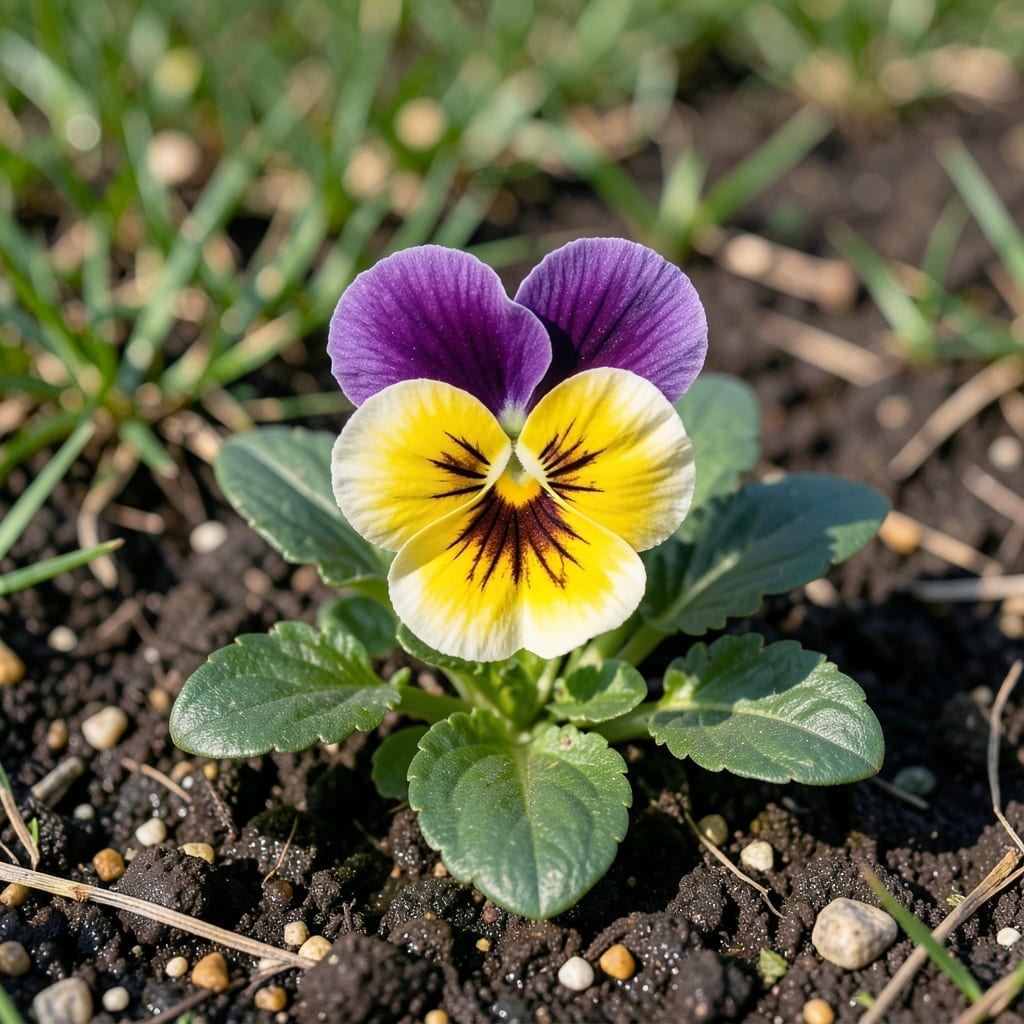
Watching pansies wilt when they should be thriving hits different. I’ve nursed more than a few back from the brink by catching the first signs early—drooping leaves, black spots, or stems that snap like dry twigs.
Nine times out of ten, it’s either too much water, not enough light, or a sneaky pest situation. The fix isn’t complicated: adjust your routine, check the soil, and inspect the leaves. Most pansies bounce back within a week with the right care.
Prevention is simpler than cure. Start with well-draining soil, 6 hours of sunlight, and a consistent watering schedule. These small habits keep problems from taking root in the first place.
Works for container pansies, garden beds, or hanging baskets. Let’s save those blooms.
Understanding why pansies wilt or die starts with identifying the most frequent culprits. Each cause has a clear scientific basis, and addressing them promptly can save your plants.
Pansies thrive in moist but well-drained soil. Overwatering leads to root rot, a fungal infection caused by Phytophthora or Pythium species. These pathogens flourish in waterlogged soil, suffocating roots and blocking nutrient uptake. Signs include yellowing leaves, mushy stems, and a foul odor from the soil.
Action: Water only when the top inch of soil is dry. Ensure pots have drainage holes, and amend garden beds with compost to improve drainage.
Pansies prefer cool temperatures (40–60°F). When exposed to intense sunlight or temperatures above 75°F, they experience heat stress, leading to wilting, leaf scorch, or death. High temperatures accelerate transpiration, causing water loss faster than the roots can absorb it.
Action: Provide afternoon shade in hot climates. Mulch around plants to retain moisture and cool the soil.
Aphids, slugs, and snails are common pests that weaken pansies. Aphids suck sap from leaves, introducing toxins and spreading viruses, while slugs and snails devour foliage overnight. Severe infestations can defoliate plants, leaving them vulnerable to disease and death.
Action: Use neem oil for aphids and beer traps or diatomaceous earth for slugs/snails. Inspect leaves regularly for early signs.
Powdery mildew and Botrytis blight (gray mold) thrive in humid, poorly ventilated conditions. Powdery mildew appears as white powder on leaves, while Botrytis causes brown spots and fuzzy gray growth. Both block photosynthesis, starving the plant.
Action: Space plants for airflow, water at the base (not overhead), and remove infected leaves immediately. Apply a copper-based fungicide if needed.
Pansies require balanced fertility, particularly nitrogen (N) for foliage, phosphorus (P) for roots/flowers, and potassium (K) for disease resistance. Yellowing leaves (chlorosis) often signal nitrogen deficiency, while stunted growth may indicate a lack of phosphorus.
Action: Use a slow-release, balanced fertilizer (e.g., 10-10-10) and test soil pH (ideal: 5.5–6.5).
Don’t give up on your pansies just yet! With the right fixes, you can nurse them back to health. Below are targeted solutions for common issues, along with prevention tips to keep them thriving.
Fix: Stop watering immediately if the soil is soggy. Replant pansies in well-draining soil or containers with drainage holes. Trim any black, mushy roots to prevent rot.
Prevention: Water only when the top inch of soil feels dry. Use a pot with drainage or amend garden beds with compost to improve drainage.
Fix: Give wilting pansies a deep drink—water at the base until the soil is moist but not waterlogged. Move potted pansies to a shadier spot during peak heat.
Prevention: Mulch around plants to retain moisture, and water early in the morning to reduce evaporation. In hot climates, provide afternoon shade.
Fix: Spray aphids or slugs off with a strong jet of water. For stubborn pests, use insecticidal soap or neem oil, following label instructions.
Prevention: Inspect plants regularly for early signs of pests. Encourage beneficial insects like ladybugs by planting companion flowers like marigolds.
Fix: Remove infected leaves or flowers immediately to stop the spread. Apply a copper-based fungicide if the problem persists.
Prevention: Space plants properly for airflow, and avoid overhead watering. Water in the morning so foliage dries quickly.
Fix: Feed pansies with a balanced, water-soluble fertilizer (10-10-10) to restore vitality. Yellow leaves may indicate a need for nitrogen.
Prevention: Fertilize lightly every 2–4 weeks during the growing season. Use compost to enrich the soil naturally.
With these steps, your pansies should bounce back in no time! 💡 Pro tip: Deadhead spent blooms regularly to encourage continuous flowering and reduce disease risk.
Water when the top 1 inch of soil feels dry. In hot weather, this may mean daily watering, while cooler climates might need it every 2-3 days. Always check the soil first to avoid overwatering.
Pansies thrive in cool weather, ideally between 40–60°F. They struggle above 75°F, so provide afternoon shade in warmer climates. Mulching helps regulate soil temperature.
Yes! Remove pests with a strong water spray or neem oil. Trim heavily damaged leaves to redirect energy. Most pansies rebound within 1-2 weeks with proper care.
Wilting despite watering often signals root rot from poor drainage or heat stress. Check for soggy soil or black stems, and adjust watering or provide shade.