
Beautiful Plants For Your Interior
Beautiful Plants For Your Interior
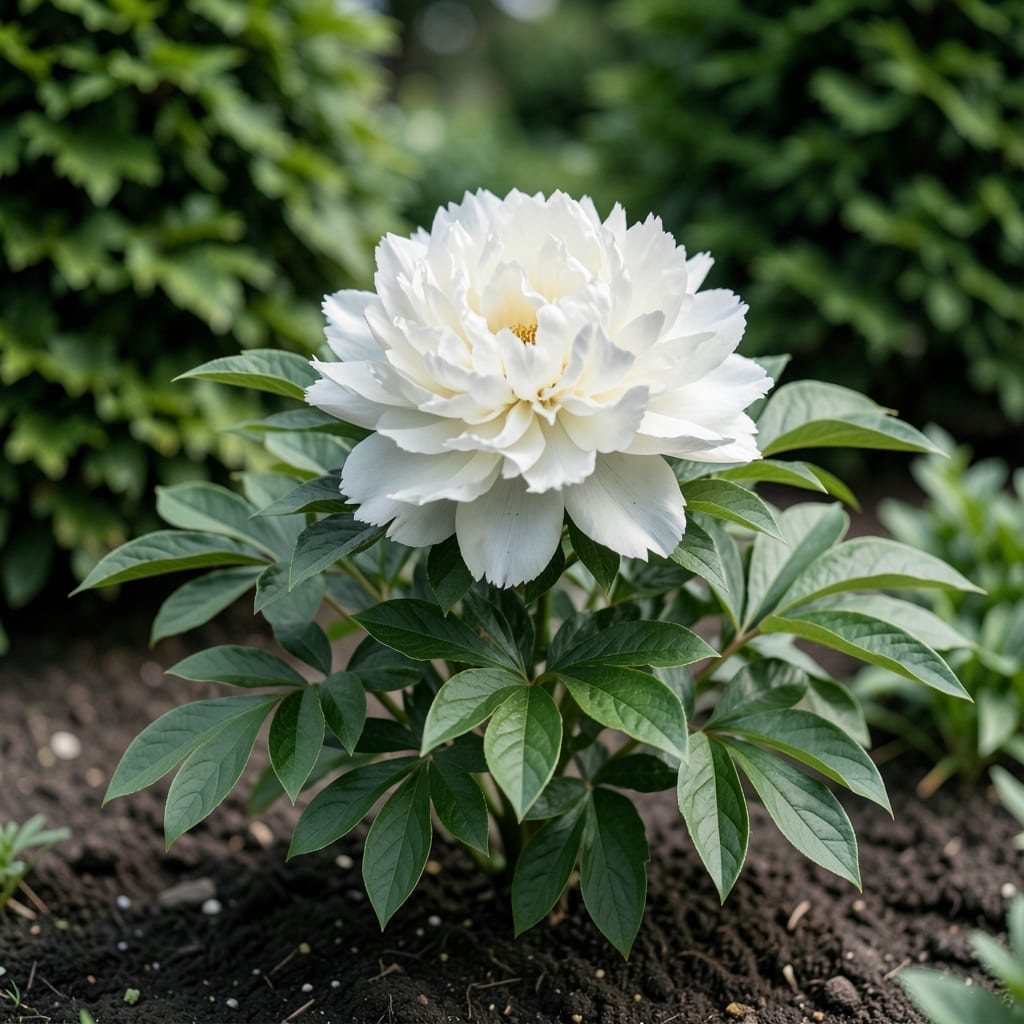
Krinkled White peonies stopped me in my tracks the first time I saw them in full bloom. Those huge, ruffled white flowers with yellow centers look like something from a fairy tale.
They’re simpler to grow than they look—just give them full sun, well-draining soil, and 3-4 feet of space to show off. The payoff is years of stunning late-spring blooms that smell as good as they look.
📚 In This Guide
These are the refined techniques I use to coax the most spectacular blooms from this classic peony.
Choose a spot with full sun exposure, as Paeonia Krinkled White requires at least 6-8 hours of direct sunlight daily to produce its signature large, ruffled blooms. The location should also offer good air circulation to prevent fungal diseases, which peonies are particularly susceptible to in humid conditions.
Soil quality is non-negotiable. This variety thrives in well-draining, fertile loam with a pH between 6.5 and 7.0. Avoid low-lying areas where water pools, as peonies despise wet feet. If your soil is heavy clay, amend it with compost or well-rotted manure at least 18 inches deep before planting.
Dig a hole that’s 2 feet wide and 18 inches deep—this gives the extensive root system room to establish. Position the peony so the eyes (small red buds on the root) sit no deeper than 2 inches below the soil surface. Planting too deep is the most common reason peonies fail to bloom.
Backfill with a mix of native soil and compost, gently firming as you go to eliminate air pockets. Water thoroughly after planting to settle the soil, then add a 2-inch layer of mulch to retain moisture and suppress weeds. Keep the mulch a few inches away from the stem to prevent rot.
Water deeply once a week during the first growing season, ensuring the soil stays evenly moist but not soggy. Once established, Paeonia Krinkled White is relatively drought-tolerant, but you’ll want to water during prolonged dry spells, especially in late summer when flower buds are forming for the next year.
Fertilize lightly in early spring with a balanced, low-nitrogen fertilizer, and again after the blooms fade to support next year’s growth. Avoid high-nitrogen fertilizers, which promote leafy growth at the expense of flowers. Stake the plants in early spring if they’re in a windy location, as the heavy blooms can cause stems to flop.
Deadhead spent blooms promptly to prevent seed formation, which diverts energy away from root and bud development. However, leave the foliage intact until fall—it continues photosynthesis to nourish next year’s blooms. In late fall, cut the stems back to 2-3 inches above the ground after the first frost blackens the foliage.
Divide clumps only when necessary, as peonies bloom best when left undisturbed. If you must divide, do so in early fall, ensuring each division has at least 3-5 eyes. Replant immediately, and expect a slight delay in blooming as the plant re-establishes itself.
The difference between lackluster peonies and showstopping blooms often comes down to a few critical details.
The Sunlight Factor: Those 6-8 hours of direct sunlight aren’t negotiable for this variety. I learned the hard way that shade-tolerant plants can survive with less, but Paeonia Krinkled White needs full sun to produce its signature large, ruffled blooms. If your garden has partial shade, prioritize morning sun over afternoon exposure.
Planting Depth Secret: The 2-inch rule for eye placement is everything. Confession: I planted my first peony too deep and got beautiful foliage but zero flowers for three years. The eyes must sit no deeper than 2 inches below the soil surface—any lower and you’ll get leaves instead of blooms.
Soil Preparation Insight: That 18-inch soil amendment depth isn’t arbitrary. Peonies have extensive root systems that need well-draining soil to thrive. If you’re dealing with heavy clay, don’t just amend the planting hole—improve the entire bed area to prevent water from pooling around the roots.
Maintenance Timing: The late fall pruning to 2-3 inches above ground is timed perfectly to prevent disease while allowing the plant to store energy for next year. I’ve found that cutting back too early or leaving too much stem can both lead to problems come spring.
Keep the area clean, ensure good airflow, and avoid overhead watering. Remove infected foliage promptly and apply fungicide if needed to prevent common issues like botrytis blight.
Plant in early fall (September to October) for best results. This allows roots to establish before winter. Avoid planting in spring, as it may delay blooming.
Consider other white peonies like Paeonia lactiflora ‘Sarah Bernhardt’ or ‘Duchesse de Nemours’. Both offer similar elegance and are equally hardy.
Common causes include insufficient sunlight, improper planting depth, or nutrient deficiencies. Ensure they get 6+ hours of sun and are planted with eyes 1-2 inches below soil.
Remove affected leaves, improve air circulation, and apply a fungicide like sulfur or neem oil. Water at the base to keep foliage dry and reduce humidity.