
Beautiful Plants For Your Interior
Beautiful Plants For Your Interior
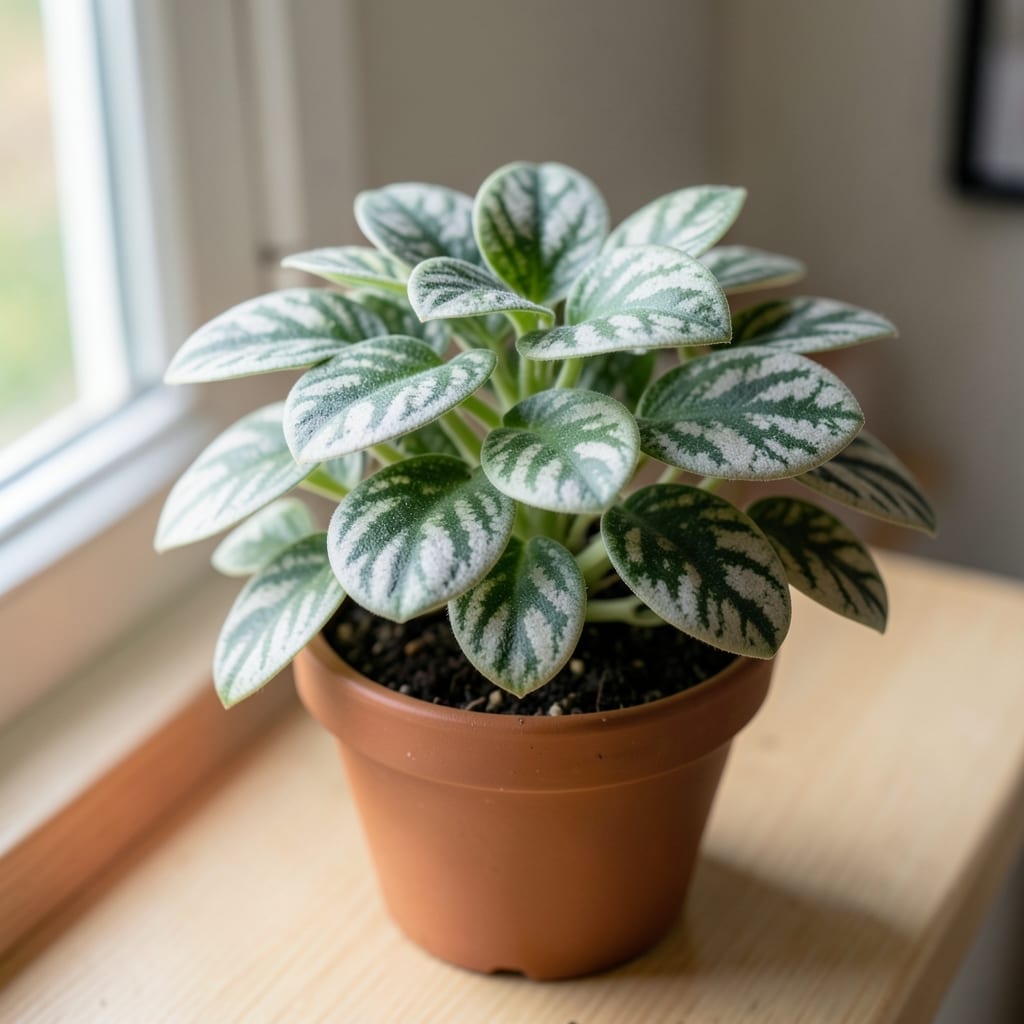
Your watermelon peperomia’s yellowing leaves and mushy stems are screaming for help. I’ve saved more than a few from the brink by catching the early signs—drooping, black spots, or soil that stays soggy for days.
The problem usually starts with good intentions: too much water, not enough drainage. This plant thrives on neglect, not constant attention. A simple fix often means repotting in fresh, dry soil and trimming the damaged parts.
Within 2-3 weeks, you’ll see new growth if the roots still have life. The leaves will regain their vibrant stripes, and the stems will firm up. It’s a foolproof recovery if you act fast.
Works for any peperomia variety, not just the watermelon type. Here’s how to bring it back.
Overwatering your watermelon peperomia often stems from a mix of well-meaning habits and environmental oversights. Here’s why it happens, broken down into actionable causes:
Watermelon peperomias thrive in dry conditions between waterings. Their thick, succulent-like leaves store moisture, so frequent watering—especially without checking soil moisture—leads to soggy roots. Peperomia argyreia prefers the soil to dry out 50-75% before the next watering. Overzealous care (e.g., watering on a fixed schedule rather than by need) is a primary culprit.
Pots without drainage holes or compacted, water-retentive soil trap excess moisture around the roots. Watermelon peperomias require fast-draining mixes (e.g., perlite or orchid bark amendments). Even with drainage holes, dense potting soil (like pure peat) can suffocate roots and promote rot.
In dim or cold environments (below 65°F/18°C), the plant’s metabolism slows, reducing its water uptake. If you water at the same rate as in bright, warm conditions, the soil stays wet longer. This is especially risky in winter or for indoor plants far from windows.
Large containers hold more soil, which retains moisture for extended periods. Watermelon peperomias prefer snug pots (1-2 inches wider than the root ball). Excess soil volume increases the risk of waterlogging, even if you water sparingly.
If your watermelon peperomia is suffering from too much water, don’t panic—it’s often fixable! Here’s how to nurse it back to health, step by step.
If the leaves are yellow or limp, stop watering immediately and let the soil dry out completely. Gently remove the plant from its pot and check the roots. Trim any mushy, dark roots with clean scissors. Repot in fresh, well-draining soil and a container with drainage holes. Prevention tip: 💡 Wait until the top 1-2 inches of soil are dry before watering again.
For severe root rot (soft, black roots), act fast. Remove all affected roots and repot the plant in a clean pot with fresh, dry soil. Avoid fertilizing until the plant recovers. Prevention tip: ✨ Use a pot with drainage holes and a soil mix that includes perlite or sand to improve aeration.
Wilting in overwatered conditions often means the roots are suffocating. Let the soil dry out, then water only when needed. If the plant doesn’t perk up, check for root damage and repot as described above. Prevention tip: 🌡️ Use a moisture meter to avoid guessing—water when the soil reads “dry” at the root level.
If leaves are falling off, reduce watering and place the plant in bright, indirect light to help it recover. Avoid misting, as excess humidity can worsen the issue. Prevention tip: 🎯 Stick to a consistent watering schedule—once every 10-14 days is usually enough for peperomias.
Water only when the top 1-2 inches of soil are dry. Typically, this means every 10-14 days, but always check the soil first. Overwatering is far more dangerous than underwatering for this plant.
Yellowing leaves, mushy stems, and black spots are red flags. If the soil stays soggy for days, it’s likely overwatered. Catching it early makes recovery much easier.
Yes, if you act quickly. Trim all mushy, dark roots and repot in fresh, dry soil. Avoid watering for 5-7 days to let roots heal.
Oversized pots hold excess moisture, increasing rot risk. Use a container just 1-2 inches wider than the root ball for best drainage.