
Beautiful Plants For Your Interior
Beautiful Plants For Your Interior
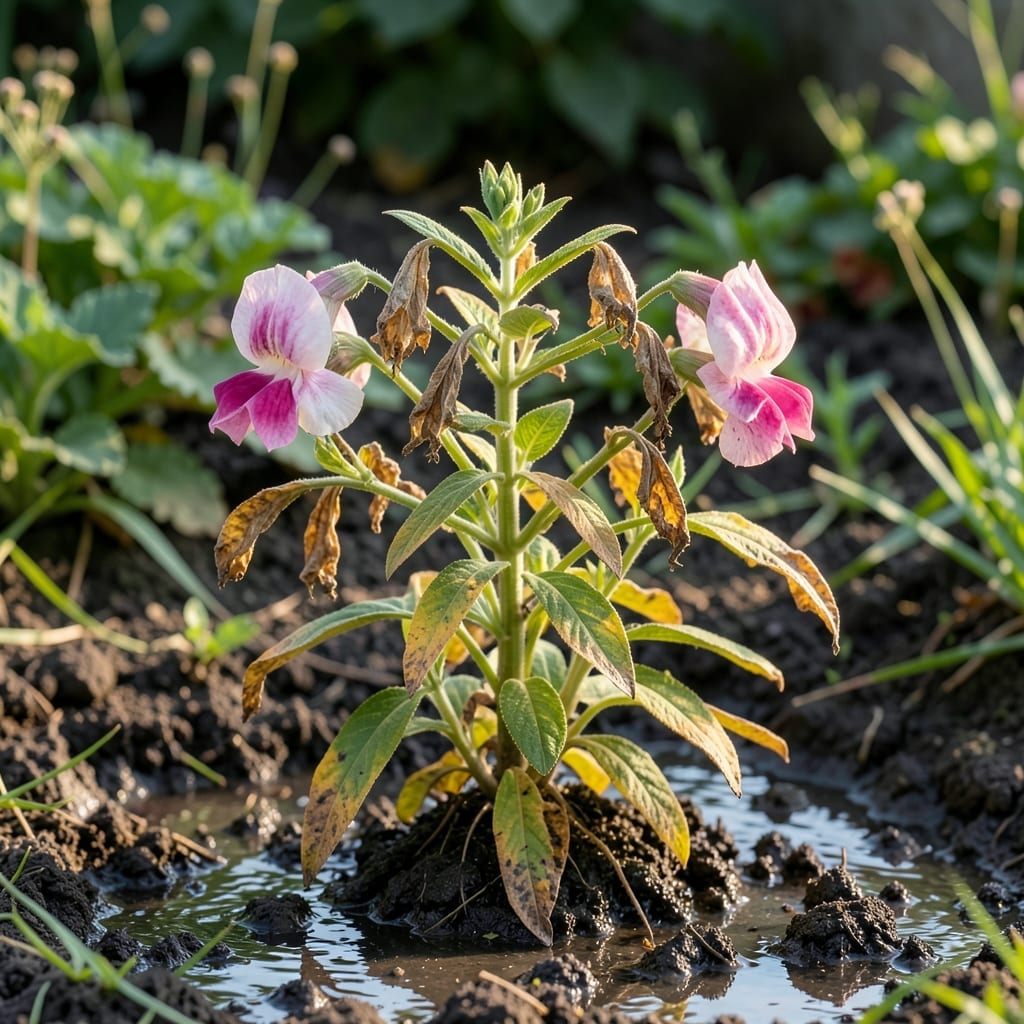
Yellow leaves on snapdragons always mean one of two things. I’ve learned the hard way that overwatering shows up first as soft stems and droopy foliage, not the crisp dryness of underwatering.
The fix starts with your fingers—stick them 2 inches into the soil. If it feels damp, wait. Most snapdragons bounce back within a week once you adjust the schedule and improve drainage.
You’ll know it’s working when new growth emerges bright green and firm. The roots will stop smelling sour, and the yellow leaves will gradually drop off as healthy ones replace them.
Works for container snapdragons or in-ground plantings. Catch it early and you can save the whole plant.
Overwatering snapdragons often stems from well-intentioned but misguided care. Here’s why it happens:
Snapdragons (Antirrhinum majus) thrive in moist but well-drained soil. Their roots need oxygen, and constant saturation suffocates them. Watering daily—especially in cool or humid conditions—prevents the soil from drying out between sessions, leading to waterlogged roots and fungal growth.
Heavy clay soils or containers without drainage holes trap water at the root zone. Even moderate watering can become excessive if the soil retains moisture for too long. Snapdragons in such environments are prone to root rot, as pathogens like Phytophthora thrive in stagnant, oxygen-depleted conditions.
Weather plays a critical role. Overwatering during rainy seasons or in shaded areas (where evaporation slows) compounds the problem. Snapdragons in full sun may need more frequent watering, but those in partial shade or high humidity require less.
Using oversized pots or dense, compacted soil holds excess moisture. Snapdragons prefer loose, loamy soil that allows water to flow through easily. Compacted or clay-heavy mixes prevent proper drainage, increasing the risk of overwatering symptoms like yellowing leaves and wilting.
If your snapdragons are suffering from too much water, act quickly to revive them. Below are targeted fixes for common symptoms, along with prevention tips to keep your plants thriving.
Fix: Trim the yellow or mushy leaves with clean scissors to prevent fungal spread. Reduce watering immediately and let the soil dry out between sessions. Move the plant to a spot with full sun to speed up recovery.
Prevention: Water only when the top inch of soil feels dry. Use a moisture meter for precision, and ensure pots have drainage holes.
Fix: Gently remove the plant from its pot and inspect the roots. Trim away black, slimy roots with sterilized shears. Repot in fresh, well-draining soil (mix in perlite or sand). Avoid watering for 2–3 days post-repotting.
Prevention: Use containers with drainage holes and a light, airy potting mix. Elevate pots to prevent waterlogging.
Fix: Stop watering and let the soil dry out completely. If the pot lacks drainage, transfer the snapdragon to one that does. For garden beds, improve drainage by amending soil with compost or coarse sand.
Prevention: 💡 Pro Tip: Water in the morning so excess moisture evaporates during the day. Mulch around plants to retain just enough moisture without oversaturation.
With these steps, your snapdragons can bounce back—just give them time and the right conditions!
Look for yellowing leaves, mushy stems, or a foul smell from the soil. These are classic signs of overwatering. The soil may also stay soggy days after watering.
Use a well-draining mix with perlite, coarse sand, or compost. This helps water flow through easily and keeps roots healthy. Avoid heavy clay soils.
Water when the top 1-2 inches of soil feel dry. In hot weather, this might mean every 2-3 days, but always check first. Containers dry out faster than garden beds.