
Beautiful Plants For Your Interior
Beautiful Plants For Your Interior
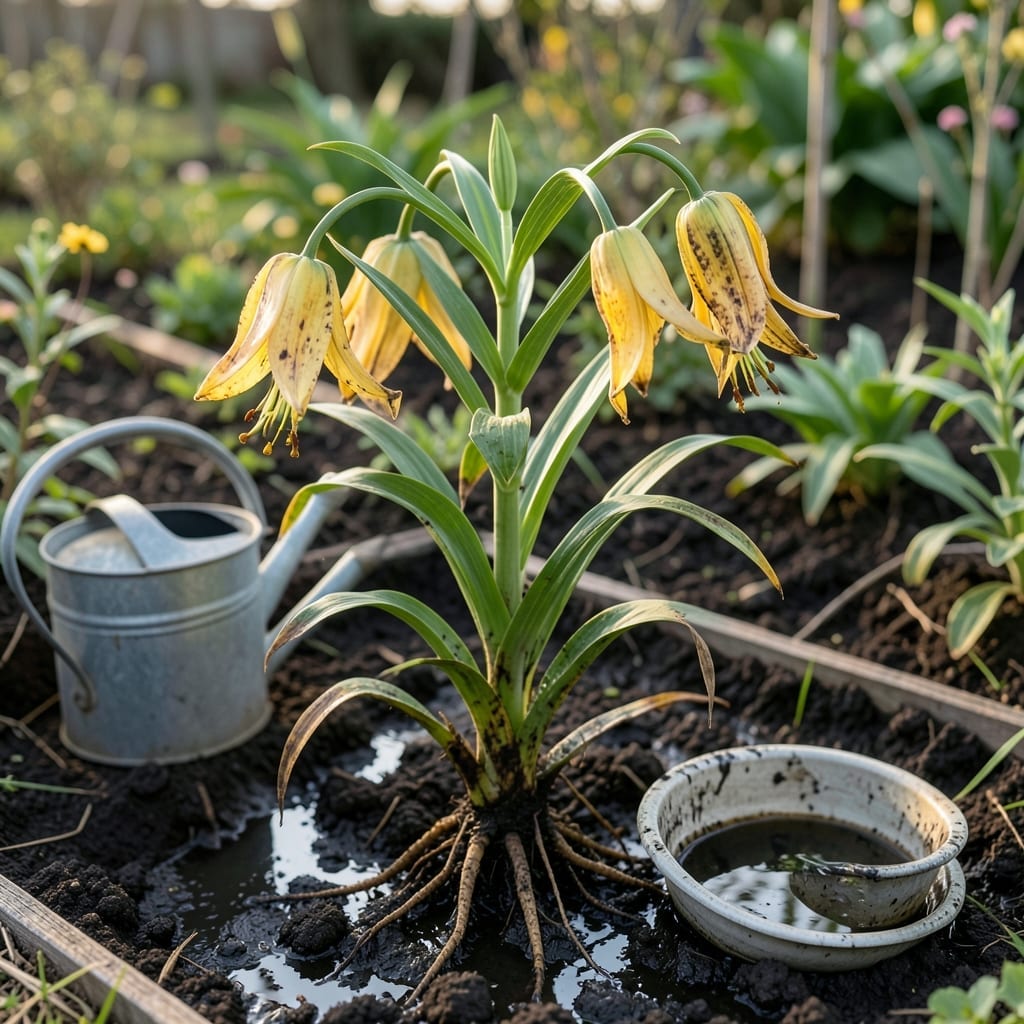
Yellowing leaves and drooping stems on your lily? That’s the classic distress signal of too much water. I’ve rescued countless lilies from this exact fate, and the fix is simpler than you’d think.
Overwatering suffocates the roots, turning them mushy and brown. The plant can’t drink, can’t breathe, and starts to decline fast. A quick finger test in the soil tells you everything—if it’s soggy 2 inches down, you’ve found your culprit.
Pull the plant, trim the rotten roots, and repot in fresh, well-draining soil. Within a week, you’ll see the first signs of recovery. New growth appears shockingly fast once the roots can breathe again.
Prevent future episodes with a consistent watering schedule—only when the top inch of soil feels dry. This method works for all lily varieties, from asiatic to oriental.
Overwatering in lilies often stems from well-intentioned but misguided care. Here’s why it happens, broken down into key causes:
Lilies, especially Lilium species, thrive in moist but well-drained soil. When watered too often—such as daily or even every other day—roots become oxygen-deprived. In waterlogged conditions, root cells drown because they cannot absorb oxygen, leading to root rot (Pythium or Phytophthora fungi).
Actionable fix: Water only when the top 1–2 inches of soil feel dry. Use your finger to test moisture.
Soil that retains too much water lacks porosity. Heavy clay soils or containers without drainage holes trap water around the roots. This creates a anaerobic environment, where beneficial microbes die off and harmful pathogens thrive.
Actionable fix: Amend garden soil with perlite or sand. For potted lilies, ensure pots have drainage holes and use a fast-draining potting mix.
Watering from above—especially in humid climates—keeps foliage wet for extended periods. This encourages Botrytis blight (gray mold) and other fungal diseases, which weaken the plant and mimic overwatering symptoms like yellowing leaves.
Actionable fix: Water at the base of the plant early in the day to allow foliage to dry. Use drip irrigation or a watering can with a narrow spout.
Reviving an overwatered lily starts with quick, targeted action. Below are practical fixes for common issues, paired with prevention tips to keep your plant thriving long-term.
If your lily’s leaves are turning yellow, it’s likely drowning. Stop watering immediately and check the soil. If it’s soggy, repot the plant in fresh, well-draining soil. Use a container with drainage holes to prevent water from pooling. For potted lilies, elevate the pot to allow excess water to escape.
Prevention tip: 🌱 Water only when the top inch of soil feels dry. Stick your finger in—if it’s damp, wait another day or two.
Wilting can signal both overwatering and underwatering. For overwatered lilies, let the soil dry out before watering again. Remove any waterlogged or mushy roots with sterilized scissors to prevent rot. If the plant is in a garden bed, improve drainage by mixing in perlite or sand.
Prevention tip: 💡 Use a moisture meter to take the guesswork out of watering. Aim for consistent, moderate moisture—not extremes.
Fungal growth or mold on the soil surface is a red flag. Remove the top layer of soil and replace it with fresh, dry mix. Apply a natural fungicide like neem oil or a diluted hydrogen peroxide solution (1 part peroxide to 3 parts water) to the soil. Ensure good airflow around the plant by spacing it away from others.
Prevention tip: ✨ Avoid misting lilies, as excess humidity encourages fungal growth. Water at the base instead of overhead.
If roots are brown, slimy, or smell foul, root rot has set in. Trim all affected roots with clean shears and repot the lily in a sterile, well-draining mix. Discard the old soil to avoid reinfection. For severe cases, soak the remaining healthy roots in a fungicide solution before repotting.
Prevention tip: 🎯 Choose pots with multiple drainage holes and avoid saucers that trap water. Terracotta pots are ideal as they wick away excess moisture.
Look for yellowing leaves, mushy stems, or a foul smell from the soil. A quick check: stick your finger 2 inches into the soil—if it feels soggy, you’re overdoing it.
Stop watering immediately and move the plant to a sunny spot. If roots are mushy, trim them and repot in fresh, dry soil with good drainage.
Yes, if you act quickly! Remove all brown, slimy roots, repot in clean soil, and avoid watering for 5-7 days. New growth should appear within 2 weeks.
Water only when the top 1 inch of soil feels dry. In hot weather, this might mean every 3-4 days; in cooler months, once a week is plenty.