
Beautiful Plants For Your Interior
Beautiful Plants For Your Interior
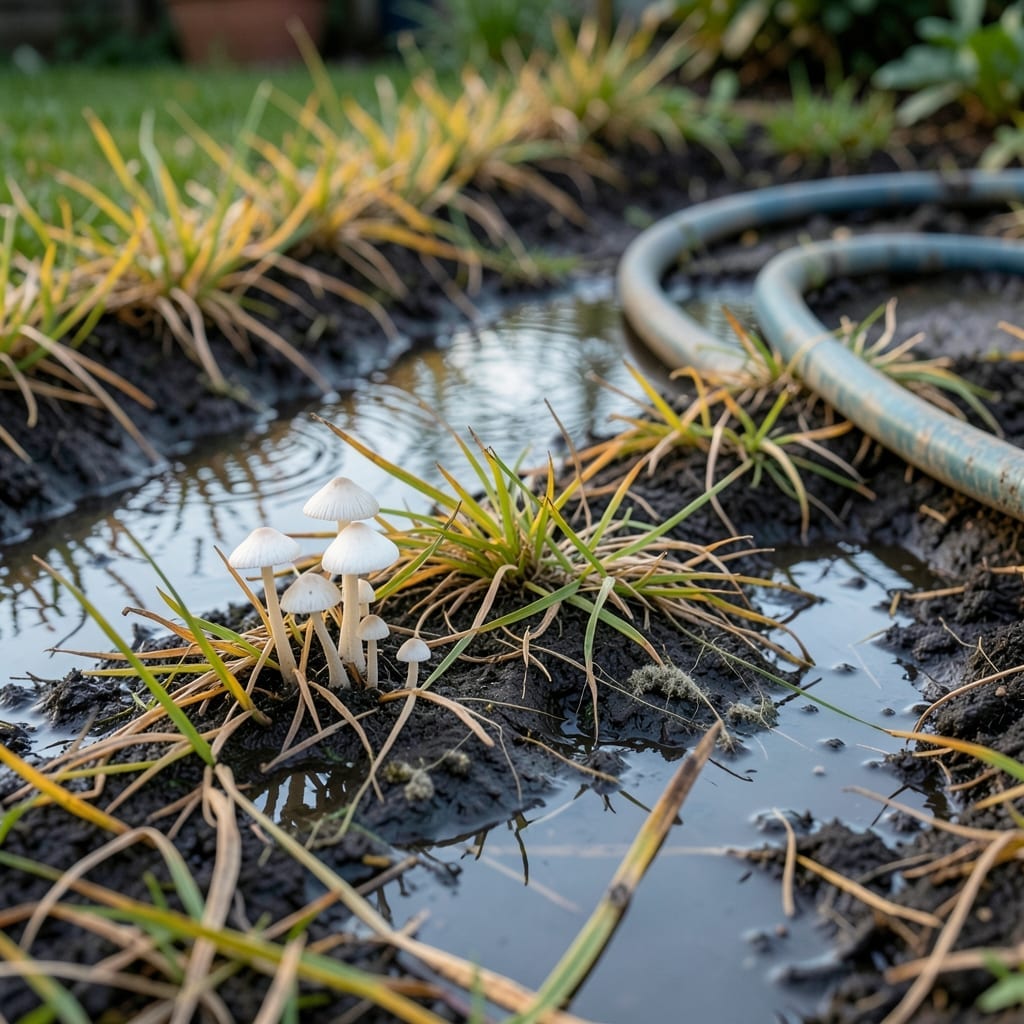
Yellow patches spreading like wildfire across your lawn? I’ve seen overwatered grass turn a perfect green carpet into a soggy, sad mess in just days.
Here’s the thing—most people think more water means happier grass, but too much drowns the roots and invites fungus. The fix isn’t complicated, just counterintuitive: sometimes the best thing you can do is stop watering entirely for a while.
Within 3-5 days of dialing back, you’ll notice the soil drying out and the color returning. Proper drainage and a consistent schedule prevent future disasters.
Works for any lawn, from small patches to sprawling yards. Let’s get your turf back on track.
Understanding why grass gets overwatered is the first step to preventing it. Here are the most common causes:
Many homeowners water their lawns on a fixed schedule without considering soil moisture levels. Grass typically needs 1 to 1.5 inches of water per week, including rainfall. Watering daily—especially in mild weather—saturates the soil, depriving roots of oxygen and encouraging shallow root growth. Actionable tip: Use a rain gauge or soil moisture sensor to guide watering.
Compacted or clay-heavy soils drain slowly, trapping water near the surface. This suffocates roots and fosters fungal diseases like Pythium blight or root rot. Actionable tip: Aerate your lawn annually to improve drainage, or amend soil with organic matter for better water flow.
Watering during or right after rain, or failing to adjust irrigation during wet seasons, leads to waterlogged grass. Even light rain can contribute to overwatering if your sprinkler system runs on autopilot. Actionable tip: Install a smart irrigation controller that adjusts watering based on real-time weather data.
Broken sprinkler heads, misaligned spray patterns, or overly generous emitters can dump too much water in one area. Uneven watering creates patches of soggy grass while other spots dry out. Actionable tip: Inspect your system monthly for leaks, clogs, or misdirected spray, and calibrate it for even coverage.
Overwatering can leave your lawn soggy, yellow, or prone to disease—but recovery is absolutely possible. Here’s how to fix common issues and restore your grass to its vibrant, healthy state.
If puddles linger for hours after watering, your soil may be compacted or have poor drainage. Aerate the lawn with a core aerator to create small holes that let water and air penetrate deeply. For severe cases, mix in compost or sand to improve soil structure. Prevention tip 💡: Aerate once a year, especially in clay-heavy soils.
Grass turning yellow or feeling mushy? Cut back on water immediately. Most lawns need 1–1.5 inches of water per week, including rainfall. Water deeply but infrequently—early morning is best to reduce evaporation and fungal growth. Prevention tip 🎯: Use a rain gauge to track moisture and avoid overdoing it.
Overwatering creates a perfect environment for fungi like brown patch or dollar spot. Apply a fungicide labeled for lawns at the first sign of spots or mold. Remove thatch buildup (more than ½ inch) to improve airflow. Prevention tip ✨: Mow regularly, keep blades sharp, and avoid evening watering to discourage fungal spores.
Soggy soil suffocates roots, leading to shallow growth. Reduce watering gradually to encourage deeper root development. Fertilize lightly with a balanced, slow-release product to support recovery. Prevention tip 🌡️: Test soil moisture with a screwdriver—if it slides in easily, hold off on watering.
Look for spongy grass, persistent puddles, or a musty smell. Yellow patches that don’t dry out are another red flag. If a screwdriver slides into soil too easily, it’s likely oversaturated.
Water deeply 2-3 times per week in the early morning, providing 1-1.5 inches total including rain. This encourages deep roots and reduces disease risk.
Often yes, if you stop watering immediately. In 3-5 days, soil should dry and color return. For fungal issues, apply fungicide and improve drainage.
Excess rain suffocates roots and washes away nutrients. Yellowing is the lawn’s stress response. Aerate and reduce irrigation until conditions normalize.