
Beautiful Plants For Your Interior
Beautiful Plants For Your Interior
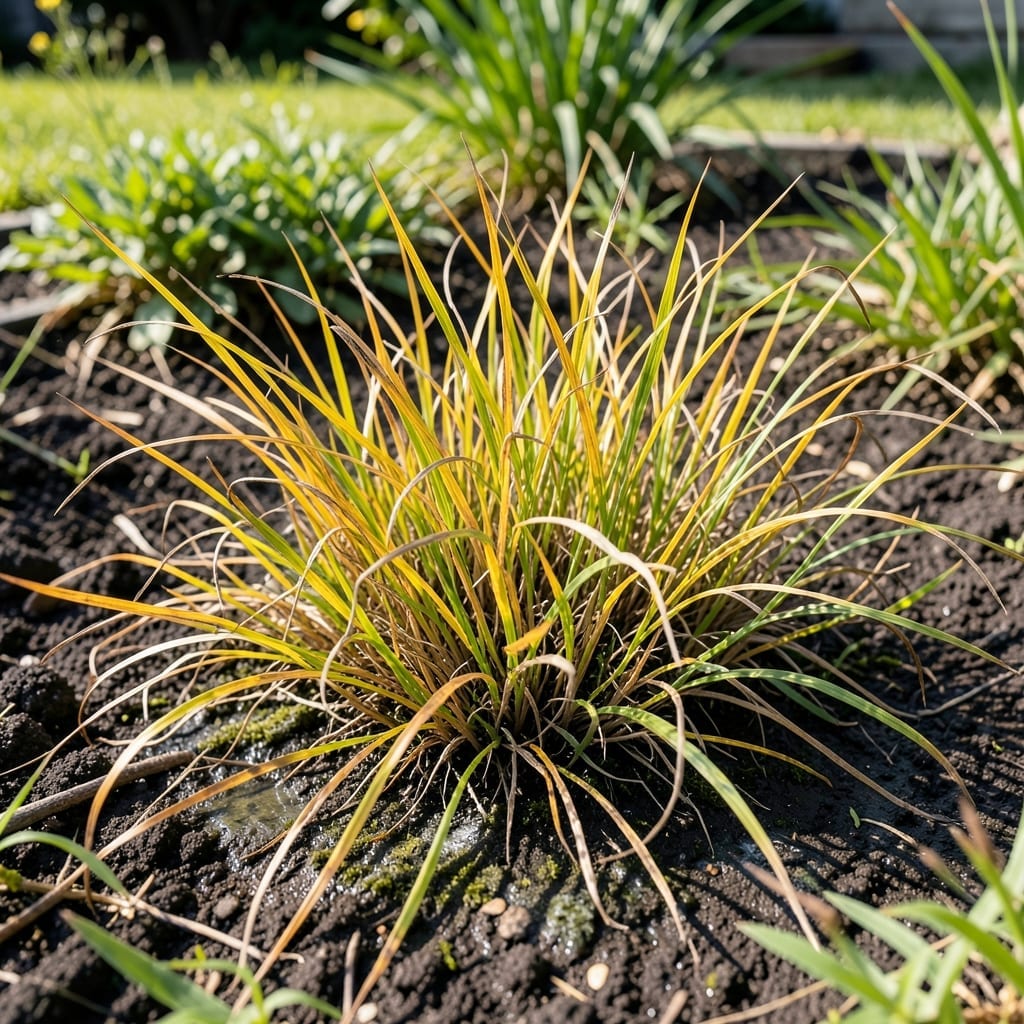
That sickly yellow patch in your Bermuda grass isn’t a death sentence. I’ve nursed countless lawns back from the brink of overwatering, and the recovery can be surprisingly fast when you know what to do.
The problem usually starts with good intentions—too much water, too often. Bermuda grass needs 1-1.5 inches per week total, including rain. More than that, and you’re basically drowning the roots while inviting fungus to the party.
Here’s the thing—your lawn will bounce back faster than you think. Within 7-10 days of correcting the watering, you’ll see green returning to those yellow spots. The key is acting before the damage spreads.
Fair warning: the fix involves more than just cutting back on water. You’ll need to check your soil and adjust your routine, but the payoff is a lawn that’s greener and tougher than before.
Overwatering Bermuda grass doesn’t just happen by accident—it’s usually the result of a few common, fixable mistakes. Understanding the root causes helps you adjust your care routine and prevent damage before it starts.
One of the most frequent culprits is overzealous watering. Bermuda grass thrives on 1 to 1.25 inches of water per week, including rainfall. When homeowners water daily—or worse, multiple times a day—the soil becomes waterlogged. This saturates the root zone, depriving roots of oxygen and promoting fungal growth like Pythium or Rhizoctonia, which turn patches yellow or brown.
Even with perfect watering habits, compacted or clay-heavy soils can trap water at the surface. Bermuda grass roots need aerated, well-draining soil to absorb moisture efficiently. If water pools or drains too slowly (taking more than 6 hours to absorb), roots suffocate and rot, leading to discoloration and weak growth.
Weather plays a huge role. Humid climates or cool, overcast days reduce evaporation, meaning the grass retains moisture longer. Similarly, shaded areas stay damp far longer than sunny spots. Watering on a fixed schedule without adjusting for these variables often leads to overwatering stress, even if your intentions are good.
Too much water can turn your vibrant Bermuda grass into a sad, soggy mess. Here’s how to rescue it, cause by cause.
If puddles linger after rain or watering, your soil may be compacted or clay-heavy. Aerate the lawn with a core aerator to create channels for water to drain. For severe cases, mix in coarse sand or compost to loosen the soil. Prevention tip: 💡 Test drainage by digging a small hole, filling it with water, and timing how long it takes to empty—ideal is under 4 hours.
Bermuda grass thrives on 1–1.5 inches of water per week, including rainfall. If your lawn feels spongy or stays damp, cut back. Water deeply but infrequently (2–3 times a week in hot climates) to encourage deep roots. Prevention tip: 🎯 Use a rain gauge or tuna can to measure water—stop when it reaches the target.
Yellow patches with dark rings or slimy texture often signal fungus from excess moisture. Apply a fungicide labeled for Bermuda grass (like azoxystrobin) at the first sign. Rake up thick thatch (over 0.5 inches) to improve airflow. Prevention tip: ✨ Water in the early morning so grass dries quickly, and avoid evening watering.
Frequent, light watering creates weak, shallow roots. Switch to deep, infrequent watering to force roots to grow downward. If the top inch of soil is dry, it’s time to water. Prevention tip: 🌡️ Let the lawn dry slightly between waterings—Bermuda is drought-tolerant once established!
With these fixes, your grass should bounce back in 2–4 weeks. Stay consistent, and your lawn will thank you with lush green growth!
Water 2-3 times per week in hot climates, delivering 1-1.5 inches total. Always check for rainfall first to avoid overdoing it.
Look for yellow patches, a spongy feel underfoot, or water pooling on the surface. These appear before more serious damage like fungal growth.
Yes, if you act quickly. Reduce watering immediately and improve drainage. Most lawns bounce back in 2-4 weeks with proper care.