
Beautiful Plants For Your Interior
Beautiful Plants For Your Interior
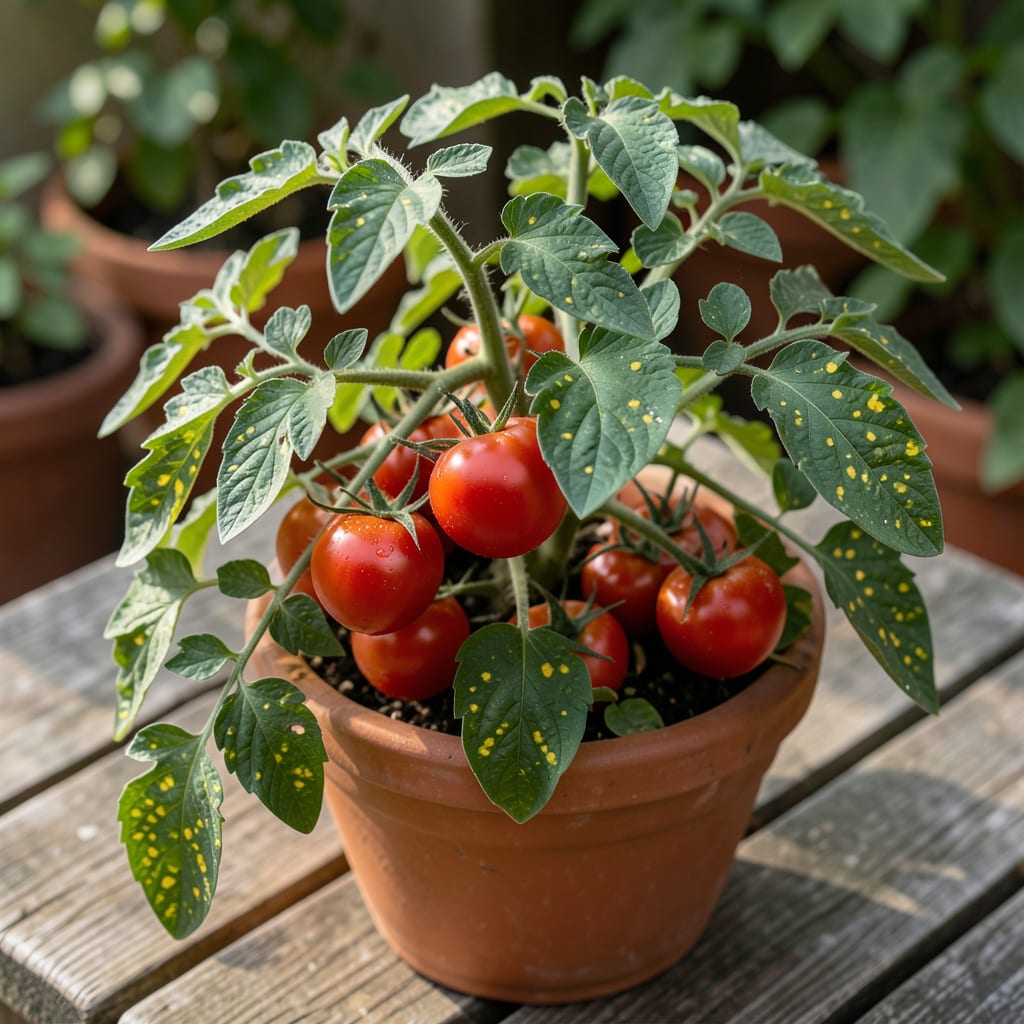
Yellow spots on your tomato leaves are your plants’ way of waving a red flag. I’ve seen this happen mid-season, and catching it early saves the entire crop from collapse.
Most often, it’s a fungal issue like early blight or septoria, but pests and nutrient gaps can mimic the same look. The fix starts with a close look at the pattern, location, and spread of those spots.
With the right approach, you can stop the damage and even reverse it. I’ve brought plants back from near-death with simple adjustments to watering, airflow, and soil health.
No need for panic—just a clear plan to diagnose and treat what’s really going on.
Yellow spots on tomato leaves are often a red flag for underlying issues, each with distinct causes. Here’s a breakdown of the most common culprits:
Early blight (Alternaria solani) and septoria leaf spot (Septoria lycopersici) thrive in warm, wet conditions. These fungi produce enzymes that break down leaf tissue, creating circular or irregular yellow spots with dark borders. Spores spread via water splashes, so overhead irrigation or crowded plants accelerate the problem.
Sap-sucking pests like aphids, whiteflies, and spider mites pierce leaf cells, draining nutrients and injecting toxins. This stress disrupts chlorophyll production, leading to stippled or mottled yellow patches. Check undersides of leaves for tiny insects or webbing.
A lack of magnesium or potassium often manifests as interveinal yellowing (spots between veins). Magnesium deficiency starts on older leaves, while potassium shortages appear as yellow edges or spots. Overwatering or poor soil pH (below 6.0) can lock out these nutrients, even if they’re present.
Heat stress (above 90°F/32°C) or sunscald can cause localized yellow or white patches, especially on upper leaves. Similarly, herbicide drift (e.g., glyphosate) may create irregular yellow splotches due to disrupted amino acid synthesis. Check for recent chemical applications or extreme weather.
Addressing yellow spots on tomato leaves starts with identifying the root cause. Below are targeted solutions for the most common issues, along with prevention tips to keep your plants healthy.
If the spots are caused by early blight or septoria leaf spot, remove infected leaves immediately to prevent spread. Apply a copper-based fungicide or a homemade mix of baking soda and water (1 tsp baking soda + 1 quart water + a drop of dish soap) every 7–10 days. Prevention: Space plants for airflow, avoid overhead watering, and rotate crops yearly.
For magnesium or potassium shortages, use Epsom salt (1 tbsp per gallon of water) as a foliar spray or work compost into the soil. If nitrogen is lacking, apply a balanced 10-10-10 fertilizer. Prevention: Test soil before planting and amend with organic matter.
If aphids, whiteflies, or spider mites are the culprits, introduce ladybugs or neem oil (mix 2 tsp oil + 1 tsp soap per quart of water). For severe infestations, use insecticidal soap. Prevention: Inspect leaves regularly and encourage beneficial insects with companion plants like marigolds.
Let the soil dry slightly between waterings and ensure pots have drainage holes. If root rot is suspected, trim affected roots and repot in fresh, well-draining soil. Prevention: Use mulch to retain moisture evenly and water at the base, not the leaves.
💡 Pro Tip: Early morning watering reduces fungal risks by allowing foliage to dry quickly.
Fungal spots often have dark borders and appear after wet weather. Pest damage looks like tiny dots or stippling, usually on leaf undersides. Check for webbing or insects to confirm.
Yes, pruning infected leaves prevents spread, especially for fungal issues. Use clean shears and dispose of leaves far from the garden. Never compost diseased plant material.
Overwatering leads to root stress and poor nutrient uptake, creating yellow patches. Let soil dry slightly between waterings and ensure good drainage.
For magnesium, use Epsom salt spray (1 tbsp per gallon of water). For potassium, work compost into soil. Results appear within 1-2 weeks.
