
Beautiful Plants For Your Interior
Beautiful Plants For Your Interior
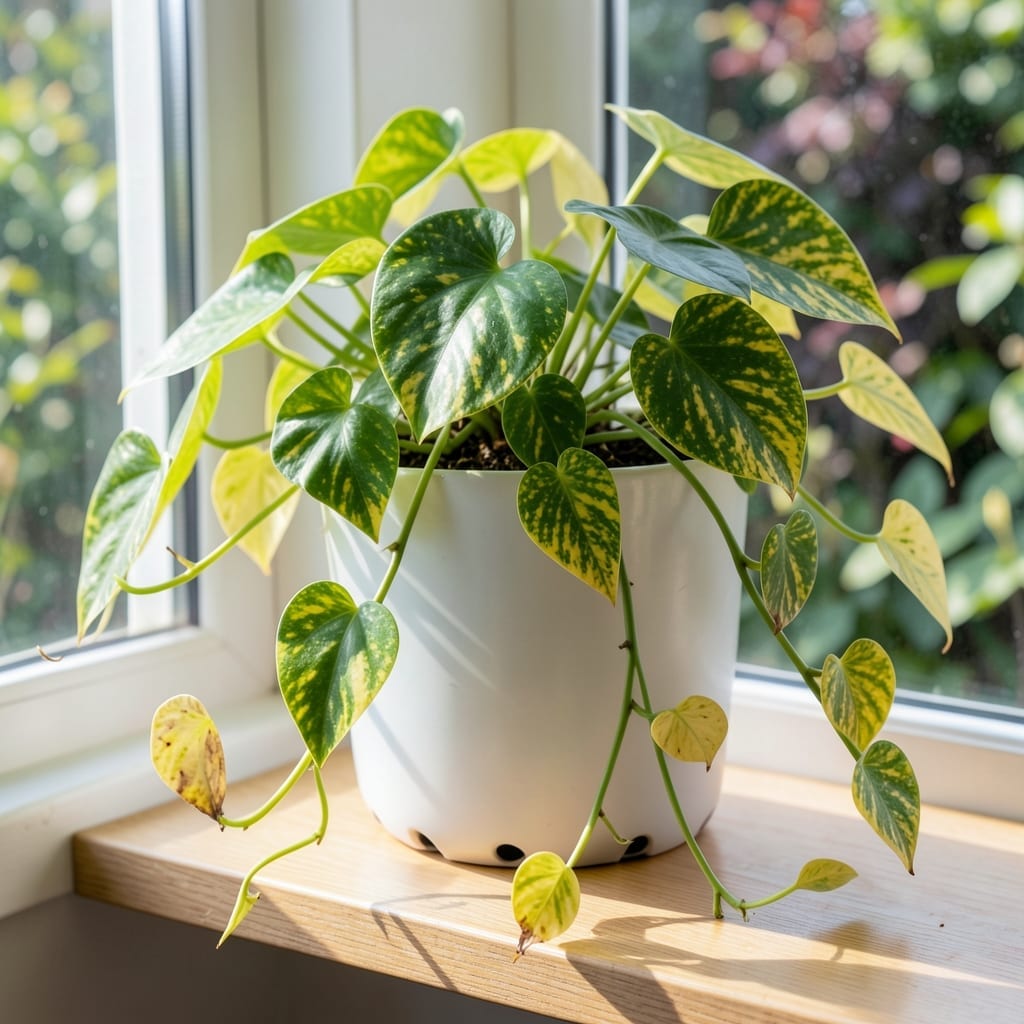
Yellow leaves on your pothos usually mean one thing: too much love with the watering can. I’ve drowned more than my fair share of these tough plants, and the signs are always the same—soggy soil, mushy stems, and leaves turning mustard-yellow overnight.
Here’s the thing—pothos thrives on neglect, not attention. The roots need air as much as water, and when the soil stays wet for days, rot sets in. Most people water on a schedule, but the plant’s thirst changes with light, temperature, and season.
Rescue starts with stopping the water immediately. Pull the plant from its pot, trim the black, squishy roots, and repot in fresh, dry soil. Within 2-3 weeks, you’ll see new growth if the plant still has healthy roots.
Prevention is simpler: water only when the top 1-2 inches of soil are dry. Trust the plant, not the calendar.
Overwatering your golden pothos often stems from a few key missteps in care. Understanding the why helps you correct the issue and restore your plant’s health. Below are the most common causes, explained in clear, actionable terms.
The primary culprit is soil that stays soggy for too long. Golden pothos thrive in well-draining potting mixes that allow excess water to flow out. When soil retains moisture—due to compacted dirt, lack of drainage holes, or heavy clay-based mixes—the roots suffocate. Rhizosphere (root zone) oxygen levels drop, leading to root asphyxiation and rot.
Pots without drainage holes trap water at the bottom, creating a stagnant pool. Even with good soil, gravity can’t pull excess water away. This standing water drowns the roots and encourages fungal growth (e.g., Phytophthora or Pythium), which accelerate decay. Always use containers with drainage or add a layer of perlite or pebbles to improve flow.
Many plant owners water on a rigid schedule (e.g., “every Monday”) rather than checking soil moisture. Golden pothos prefer the “soak and dry” method: water only when the top 1–2 inches of soil are dry. Overwatering disrupts the plant’s natural osmotic balance, causing cells to burst (visible as yellowing leaves) and roots to rot.
In dim or cold environments (<60°F/15°C), the pothos’ metabolism slows, reducing its water needs. If you keep watering at the same rate, the soil stays damp longer, increasing rot risk. Adjust watering frequency seasonally—less in winter, more in bright, warm conditions.
Golden pothos are tough, but too much water can leave them soggy and sad. Here’s how to nurse your plant back to health, step by step.
If the leaves are turning yellow, start by trimming the damaged foliage with clean scissors. This redirects energy to healthy growth. Then, check the soil—if it’s waterlogged, let it dry out completely before watering again. Prevention tip: Water only when the top 1-2 inches of soil feel dry. Stick your finger in to test! 💡
For mushy, black roots, remove the plant from its pot and gently rinse the roots under lukewarm water. Trim away any rotten roots with sterilized pruners. Repot in fresh, well-draining soil and a pot with drainage holes. Prevention tip: Use a terracotta pot—it wicks away excess moisture better than plastic. ✨
If the soil stays wet for days, it’s time to amend the mix. Add perlite, orchid bark, or coarse sand to improve aeration. Ensure your pot has drainage holes—no exceptions! Prevention tip: Elevate the pot on a tray with pebbles to avoid water pooling at the bottom. 🎯
Overwatering often pairs with poor light, slowing evaporation. Move your pothos to bright, indirect light to help the soil dry faster. A north or east-facing window is ideal. Prevention tip: Rotate the plant occasionally for even growth. 🌡️
Water only when the top 1-2 inches of soil are dry. This usually means every 1-2 weeks, but adjust based on light and temperature. When in doubt, wait!
Yellow leaves often signal overwatering. Check for soggy soil and mushy stems. Trim affected leaves and let the soil dry completely before watering again.
Yes! Remove the plant, trim black mushy roots, and repot in fresh well-draining soil. Use a clean pot with drainage holes for best results.
Terracotta is ideal—it wicks away excess moisture. Ensure it has drainage holes. Avoid plastic pots if you tend to overwater.