
Beautiful Plants For Your Interior
Beautiful Plants For Your Interior
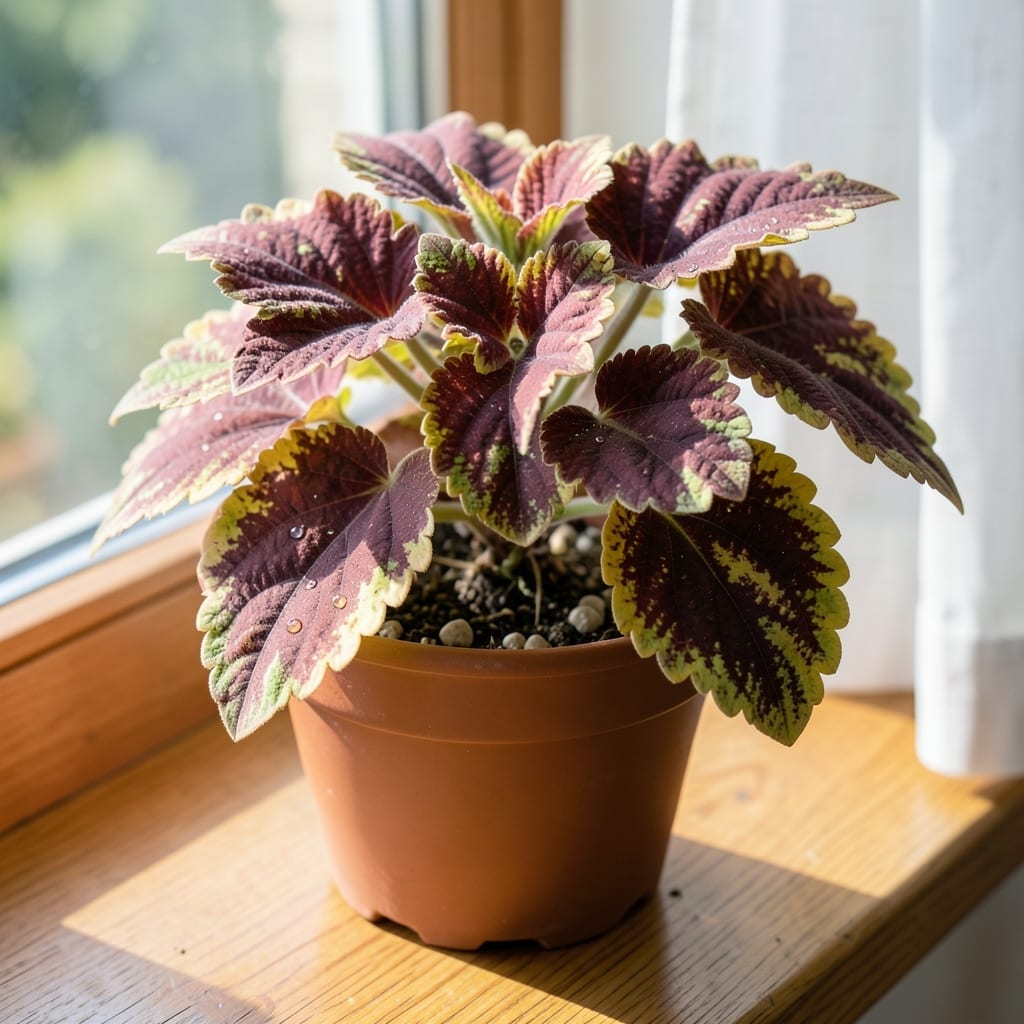
My coleus went from vibrant to droopy in 48 hours. Turns out, I loved it a little too much with the watering can. Overwatered coleus shows wilting leaves that feel soft, not crispy like underwatered ones.
The problem isn’t the water itself—it’s the roots drowning in soggy soil. Yellowing leaves, mushy stems, and soil that smells funky are your plant’s SOS signals. I’ve killed three coleus this way before learning the fix.
Here’s the thing—recovery starts with letting the soil dry out completely between waterings. A simple finger test (stick it an inch deep) prevents repeat offenses.
Within a week, you’ll see new growth pushing through. The leaves perking up is the best reward for backing off the water. This works every time, no fancy tools needed.
Overwatering coleus plants is often the result of well-meaning but misguided care. Here’s why it happens and how to avoid it:
Coleus thrives in moist but not soggy soil. When pots lack drainage holes or use dense, compacted soil, water pools at the roots, suffocating them. This prevents oxygen uptake, leading to root rot—a primary cause of wilting and yellowing leaves. Fix: Always use containers with drainage holes and a well-aerated potting mix (e.g., peat-based with perlite).
Many gardeners water coleus on a rigid schedule (e.g., daily) without checking soil moisture. Coleus prefers the top inch of soil to dry slightly between waterings. Overwatering disrupts the osmotic balance in root cells, causing them to burst and decay. Fix: Stick your finger 1–2 inches into the soil—water only if it feels dry.
Large pots hold excess moisture, especially for small coleus plants with underdeveloped root systems. The roots can’t absorb all the water, leading to stagnation and fungal growth. Fix: Start with a pot just 1–2 inches wider than the root ball, then repot as the plant grows.
Low light and cool temperatures slow evaporation, so soil stays wet longer. Coleus in shady spots or during humid weather is especially vulnerable. Fix: Adjust watering frequency based on conditions—less in cool, cloudy spells; more in heatwaves.
Once you’ve spotted the signs of too much water, act fast to revive your coleus. Below are targeted fixes for each common issue, plus ways to keep it from happening again.
If the leaves are turning yellow, stop watering immediately and let the soil dry out. Gently remove the plant from its pot and check the roots. Trim any mushy, dark roots with clean scissors, then repot in fresh, well-draining soil. Prevention tip 💡: Water only when the top inch of soil feels dry to the touch.
Wilting can signal both overwatering and underwatering, but in this case, it’s likely the former. Move the plant to a bright, indirect light spot with good airflow to help the soil dry faster. Avoid misting the leaves, as this adds unnecessary moisture. Prevention tip 🌡️: Use a pot with drainage holes to prevent water from pooling at the roots.
White mold or black spots on the soil or leaves mean excess moisture is inviting fungal issues. Remove affected leaves and the top layer of soil. Apply a natural fungicide like neem oil, and ensure the plant has good air circulation. Prevention tip ✨: Space plants apart to improve airflow and avoid overhead watering.
If the roots are brown, slimy, or smell foul, root rot has set in. Trim all affected roots and repot the plant in a clean container with fresh, sterile potting mix. Avoid fertilizing until the plant recovers. Prevention tip 🎯: Stick to a consistent watering schedule and use a moisture meter to avoid guesswork.
With quick action and a few adjustments, your coleus can bounce back to its vibrant, colorful self!
Water when the top 1-2 inches of soil feels dry. This usually means every 5-7 days in moderate conditions, but always check first. Coleus prefers consistent moisture without soggy soil.
Yes, if caught early. Trim all brown, mushy roots and repot in fresh, well-draining soil. Hold off on fertilizing until you see new growth, which typically appears in 1-2 weeks.
This is a classic sign of overwatering. The roots suffocate in wet soil, causing yellowing and leaf drop. Stop watering and let the soil dry out completely to halt the damage.
Avoid misting leaves, as it adds unnecessary moisture and can encourage fungal growth. Focus on watering the soil directly and ensure good air circulation around the plant.