
Beautiful Plants For Your Interior
Beautiful Plants For Your Interior
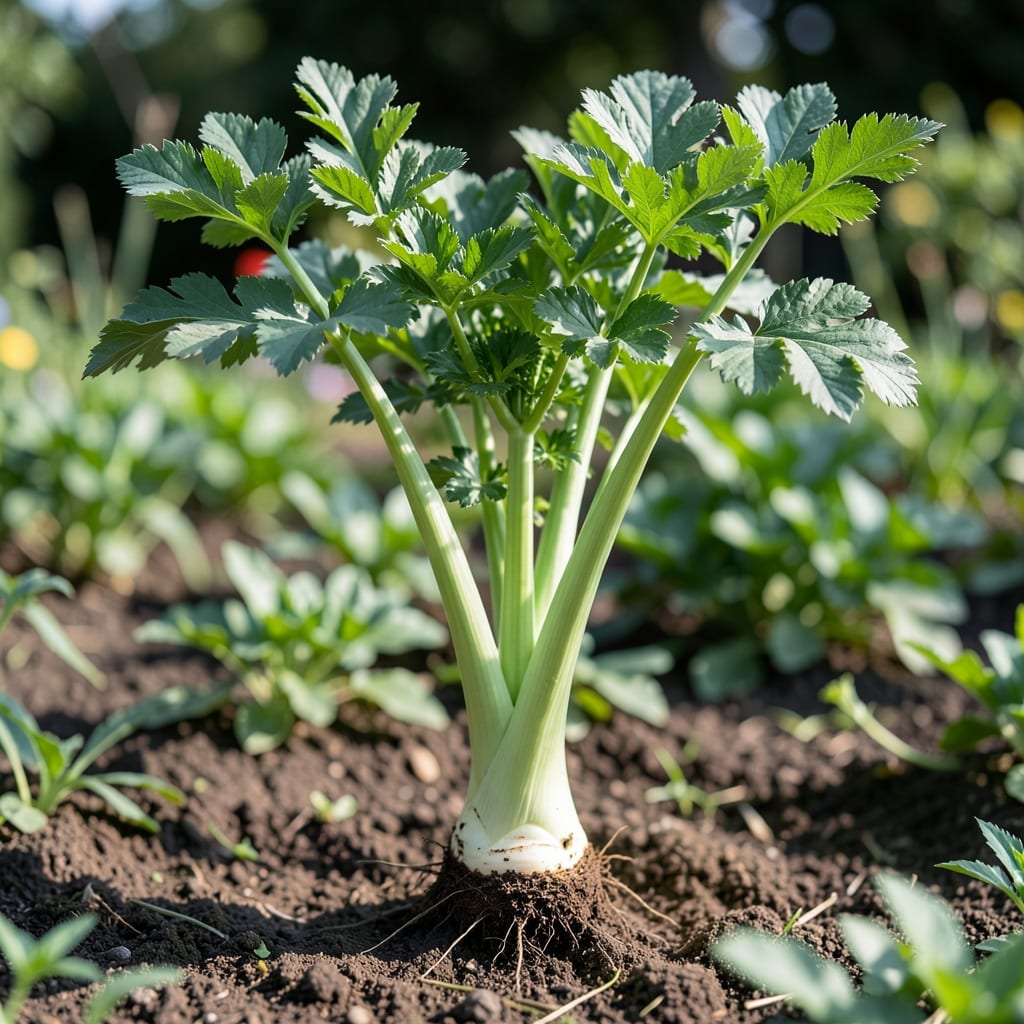
I’ve grown celery root organically for years, and the key is patience. This humble vegetable rewards careful soil prep and consistent moisture with a rich, earthy harvest that’s worth the wait.
Start with loose, well-draining soil and keep the bed weed-free. The plants need 120 days to mature, but the flavor and texture make every moment count. Here’s how to do it right.
📚 In This Guide
Here’s my proven method for cultivating this unique vegetable with minimum fuss and maximum yield.
Celery root thrives in rich, well-draining soil with a pH between 6.0 and 7.0. I begin by working in 2-3 inches of aged compost or well-rotted manure into the top 12 inches of soil. This improves fertility and loosens heavy clay, which can deform the roots.
Remove all rocks and debris larger than a pea—these create obstacles that cause the roots to split or grow misshapen. A fine, crumbly texture is ideal. I also add a 1-inch layer of sand to further improve drainage, as waterlogged soil leads to rot.
Sow seeds directly outdoors 2-3 weeks before the last frost date, when soil temperatures reach at least 50°F. Plant seeds ¼ inch deep in rows spaced 18 inches apart. Celery root seeds are tiny, so I mix them with a bit of fine sand to distribute them evenly.
Thin seedlings to 10-12 inches apart once they develop 2-3 true leaves. Crowding leads to small, stunted roots. Water gently but thoroughly after thinning to help the remaining seedlings recover from the disturbance.
Keep the soil consistently moist but not soggy throughout the growing season. Celery root has shallow roots, so drought stress causes cracking or stunted growth. I water deeply whenever the top 1 inch of soil feels dry, aiming for 1-1.5 inches of water per week, including rainfall.
Apply a 2-3 inch layer of organic mulch, such as straw or shredded leaves, around the plants. This retains moisture, suppresses weeds, and keeps the soil cool. Avoid piling mulch directly against the stems, as this can encourage rot.
Celery root is a heavy feeder. I apply a balanced organic fertilizer, such as 10-10-10, every 3-4 weeks during the growing season. Side-dress the plants by sprinkling the fertilizer in a 6-inch band around the base and lightly working it into the soil, followed by watering.
Watch for common pests like slugs and snails, which love the tender foliage. I handpick them in the evening or use organic baits. Aphids can also be an issue—blast them off with water or apply insecticidal soap if they become numerous.
Celery root requires a long growing season of 120-150 days. Harvest when the roots are 3-4 inches in diameter, typically in late fall after a few light frosts. The frosts sweeten the flavor and improve texture.
Use a garden fork to carefully lift the roots from the soil, taking care not to damage them. Trim the foliage to 1-2 inches above the root and brush off excess soil. Store in a cool, humid place like a root cellar, where they’ll keep for 2-3 months.
Small adjustments in your approach can make a significant difference in yield and quality.
Soil Preparation Insight: The pH range of 6.0 to 7.0 is critical for celery root. Test your soil before planting, as even slight deviations can affect nutrient uptake. I also recommend adding that 1-inch layer of sand mentioned in Step 1—it prevents waterlogging better than compost alone.
Planting Depth Precision: At ¼ inch deep, celery root seeds need just enough coverage to stay moist without being smothered. Planting too deep is a common mistake that delays germination. The 2-3 weeks before last frost timing in Step 2 ensures seeds meet that 50°F soil temperature requirement.
Watering Wisdom: The 1-1.5 inches of water per week target in Step 3 is non-negotiable. Shallow roots mean drought stress hits fast. I check soil moisture daily during dry spells, watering when the top 1 inch feels dry—this prevents the cracking that ruins root shape.
Harvest Timing: That 120-150 day window in Step 5 isn’t flexible. Harvesting too early yields small, fibrous roots, while waiting too long risks splitting. The 3-4 inch diameter is your visual cue, and those light frosts truly do sweeten the flavor as mentioned.
Look for mature roots about 3-4 inches in diameter, usually 120-150 days after planting. The top foliage may start to yellow or die back, signaling readiness.
Yes! Choose a deep container (at least 12 inches) to accommodate the root. Ensure good drainage and use well-composted organic soil for best results.
Watch for celery fly, carrot rust fly, or fungal diseases like leaf blight. Use organic pest control methods like neem oil or row covers to protect your crop.
Store in a cool, dark place (like a root cellar) or refrigerate for up to 2 weeks. For longer storage, pack in damp sand or sawdust in a cold, humid environment.
Try growing celeriac (a close relative) or parsnips, which have a similar flavor and growing conditions. Both are hardy and great for organic gardens.