
Beautiful Plants For Your Interior
Beautiful Plants For Your Interior
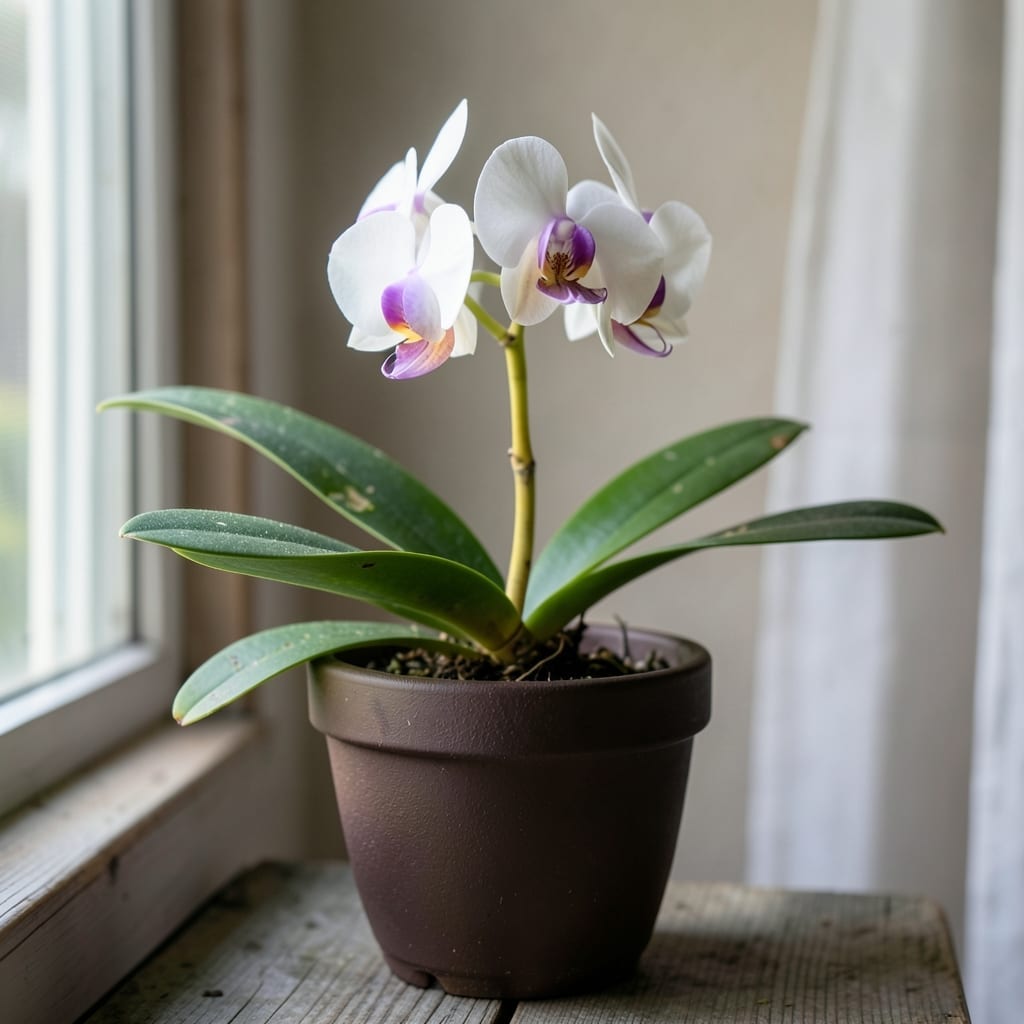
That yellow orchid stem caught my eye first thing this morning. 🌱 It’s not just unsightly—it’s your plant’s way of sounding the alarm before the problem spreads to the rest of the bloom.
I’ve seen this happen with overwatering, too much sun, or even a sneaky pest setting up shop. The good news? Most causes are fixable if you act fast. The key is knowing what to look for and what to do next.
With the right adjustments, you can stop the yellowing and even coax new growth from the same stem. I’ve saved more than a few orchids this way, and the comeback is shockingly fast.
Here’s where it gets interesting—what you do in the next 24-48 hours makes all the difference. Let’s get your plant back on track.
Orchid stems turning yellow often signal underlying stress or care imbalances. Below are the most common causes, explained with actionable insights to help you diagnose and fix the issue.
Excess moisture suffocates the roots, preventing oxygen uptake and leading to root rot. When roots decay, they can’t transport water and nutrients, causing the stem to yellow. Phalaenopsis and Dendrobium orchids are especially sensitive. Check for soggy potting mix or a lack of drainage holes—these are red flags.
Orchids need bright, indirect light. Too little light weakens the plant, leading to chlorosis (yellowing) as chlorophyll breaks down. Conversely, direct sunlight can scorch stems, causing yellow or brown patches. East-facing windows are ideal; south or west exposure may require sheer curtains.
Sudden temperature swings (below 50°F or above 90°F) disrupt cellular function. Cold drafts or heat sources (like vents) can trigger stress responses, manifesting as yellow stems. Maintain a stable range of 65–80°F during the day and a 10°F drop at night for optimal growth.
A lack of nitrogen (essential for stem and leaf health) or magnesium (critical for chlorophyll production) often causes yellowing. Use a balanced, orchid-specific fertilizer (e.g., 20-20-20) diluted to half-strength every 2–4 weeks during active growth. Avoid over-fertilizing, which can burn roots.
Sap-sucking pests like scale, mealybugs, or spider mites drain the plant’s nutrients, weakening stems. Inspect the undersides of leaves and stem joints for tiny bugs or sticky residue (honeydew). Treat with insecticidal soap or neem oil immediately to prevent further damage.
Addressing a yellowing orchid stem starts with pinpointing the cause. Below are targeted fixes for the most common issues, along with prevention tips to keep your orchid thriving.
If the stem is yellow and mushy, stop watering immediately. Remove the orchid from its pot and inspect the roots—trim any black or soggy ones with sterilized scissors. Repot in fresh, well-draining bark mix, and water only when the mix feels dry (about once a week). Prevention tip 💡: Use a clear pot to monitor root health and moisture levels.
Move your orchid to a spot with bright, indirect sunlight (east or west-facing windows are ideal). Avoid harsh midday sun, which can scorch leaves. If natural light is limited, supplement with a grow light for 12–14 hours daily. Prevention tip ✨: Rotate the pot weekly to ensure even light exposure.
Use a balanced orchid fertilizer (20-20-20) diluted to half strength, applied every 2–4 weeks during active growth. If the stem yellows due to over-fertilization, flush the pot with water to remove excess salts. Prevention tip 🎯: Fertilize less in winter when growth slows.
Isolate the affected orchid to prevent spreading. Remove infected parts with sterilized tools, then treat with a copper-based fungicide or neem oil spray. Improve airflow around the plant and avoid wetting the leaves. Prevention tip 🌡️: Water early in the day so foliage dries quickly.
Keep orchids in a consistent temperature range (65–80°F). Avoid drafts, heaters, or AC vents. If the stem yellows due to cold shock, move the plant to a warmer spot and monitor for recovery. Prevention tip 🔥: Use a small fan on low to maintain gentle airflow without cold drafts.
Unfortunately, once an orchid stem turns yellow, that part won’t recover. But the plant can still produce new, healthy growth. Focus on fixing the root cause to prevent further damage.
Water once a week in most conditions, but always check the potting mix first. If it’s still damp, wait 2-3 more days. Orchids prefer to dry out slightly between waterings to prevent root rot.
Place your orchid in bright, indirect light—an east-facing window is ideal. Avoid direct sun, which can scorch stems. If natural light is limited, use a grow light for 12-14 hours daily.
Yes! Sap-sucking pests like scale or spider mites drain nutrients, weakening stems. Inspect leaves and stems weekly, and treat with neem oil if you spot any infestations.