
Beautiful Plants For Your Interior
Beautiful Plants For Your Interior
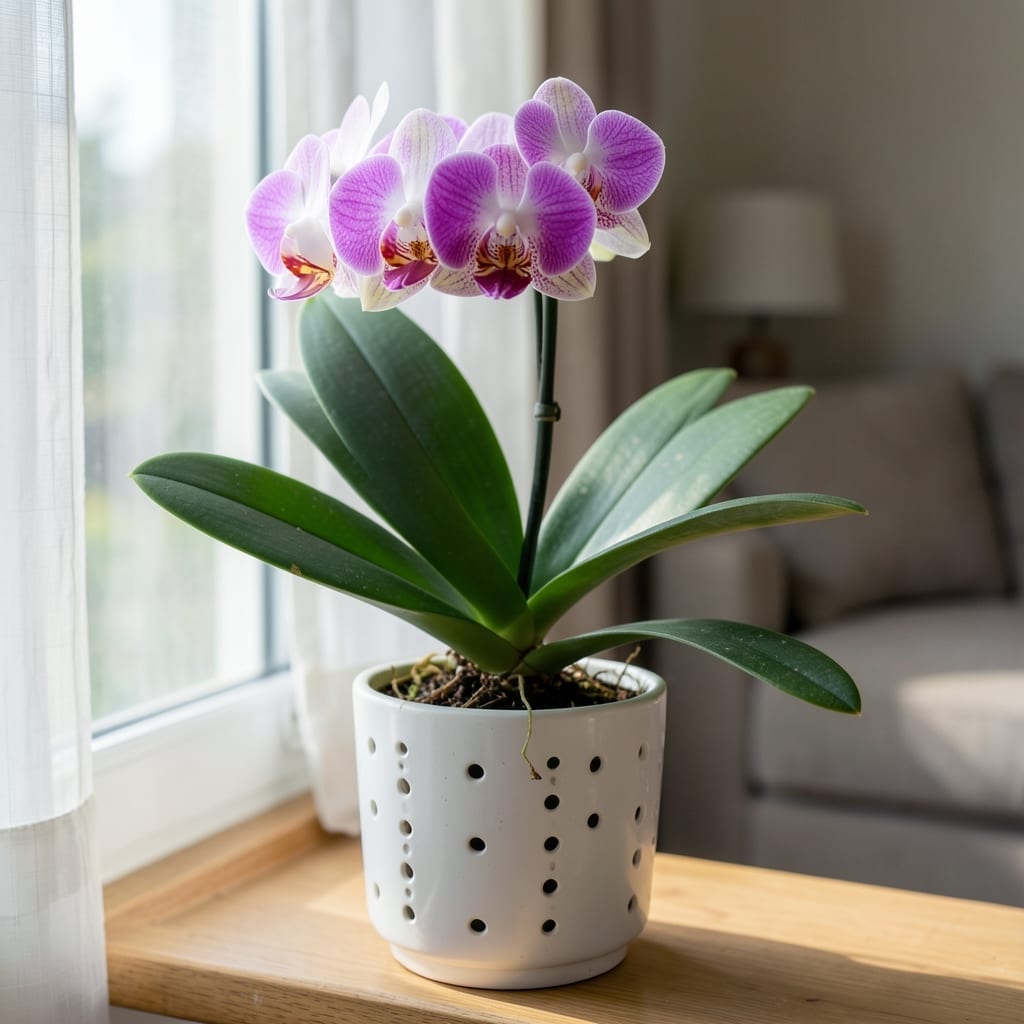
Soft, yellowing leaves on your orchid aren’t just ugly—they’re a red flag. 🌿 I’ve lost count of how many plants I’ve saved by catching leaf rot early, before it spreads to the crown and kills the whole thing.
The first sign is usually a single leaf turning mushy and dark. Left unchecked, it’ll turn black and slippery, then the rot moves to neighboring leaves. Most people overwater or let plants sit in soggy bark, creating the perfect breeding ground.
With quick action, you can stop the spread and nurse your orchid back to healthy, blooming condition. The fix involves isolation, careful removal of infected tissue, and adjusting your watering routine.
Works for phalaenopsis, cattleya, and most common orchid varieties. Here’s how to save yours.
Orchid leaf rot doesn’t appear overnight—it’s usually the result of environmental stress or poor care habits. Understanding the root causes helps you prevent it before it spreads. Below are the most common triggers, explained simply but scientifically.
Orchids are epiphytes, meaning they hate soggy roots. When water sits in the pot or around the crown (where leaves meet the stem), it creates a breeding ground for Pythium, Phytophthora, or fungal pathogens. These microbes thrive in stale, oxygen-deprived conditions, breaking down leaf tissue. Actionable fix: Use a chunky, fast-draining mix (like bark or sphagnum moss) and water only when the medium is nearly dry.
Humidity above 60% is ideal for orchids—but only if paired with good air circulation. Stagnant, moist air traps water on leaves, inviting bacterial spot (Acidovorax spp.) or fungal spores. Even droplets from misting can linger, softening leaf cuticles. Actionable fix: Place a small fan nearby on low speed to keep air moving, or space plants to avoid crowding.
Fungal and bacterial spores often hitch a ride on unsterilized pruning tools or tap water. If you reuse scissors or pots without cleaning, you risk transferring pathogens like Fusarium (a aggressive rot-causing fungus). Hard water can also leave mineral deposits that weaken leaves. Actionable fix: Sterilize tools with rubbing alcohol and use rainwater or distilled water for sensitive orchids.
Over-fertilizing—especially with high-nitrogen formulas—can lead to soft, succulent leaf growth that’s more susceptible to rot. Conversely, a potassium deficiency weakens cell walls, making leaves easier for pathogens to penetrate. Actionable fix: Use a balanced orchid fertilizer (20-20-20) diluted to half-strength and flush the medium monthly to prevent salt buildup.
When you spot orchid leaf rot, act fast to save your plant. Here’s how to tackle the most common causes with simple, effective fixes.
If soggy soil is the culprit, repot your orchid immediately. Remove it from the pot, trim any black or mushy roots with sterilized scissors, and place it in fresh, well-draining orchid mix (bark-based works best). Use a pot with drainage holes and water only when the top inch of mix feels dry. Prevention tip: 💡 Stick to a watering schedule—once a week is often enough for most orchids.
For fungal issues, apply a copper-based fungicide or a diluted hydrogen peroxide solution (1 part 3% peroxide to 3 parts water) directly to the affected leaves. For bacterial rot, remove infected leaves and treat with a bactericide. Isolate the plant to prevent spreading. Prevention tip: ✨ Ensure good air circulation around your orchids and avoid wetting the leaves when watering.
Move your orchid to a spot with gentle air movement, like near an open window (but avoid drafts). If humidity is too high, use a small fan on low or a dehumidifier. Aim for 40-70% humidity. Prevention tip: 🎯 Group orchids loosely to allow airflow between them, and avoid crowding.
If tap water is causing salt buildup or chemical damage, switch to filtered, distilled, or rainwater. Flush the potting mix with clean water every few months to remove residues. Prevention tip: 🌡️ Let tap water sit out for 24 hours before using to allow chlorine to evaporate.
Rot spreads quickly and turns leaves mushy and black. A naturally dying leaf stays firm, turns yellow, then brown. Check for softness and foul odor—classic rot signs.
Yes, but act fast. Remove all infected tissue with sterilized tools, then repot in fresh mix. Avoid watering for 5-7 days to let it recover.
Copper-based fungicides work well for most orchid fungal issues. Apply every 2-3 weeks during high humidity periods. Always follow label instructions carefully.
No. Mist increases moisture on leaves, worsening rot. Instead, water the mix directly and ensure good airflow.