
Beautiful Plants For Your Interior
Beautiful Plants For Your Interior
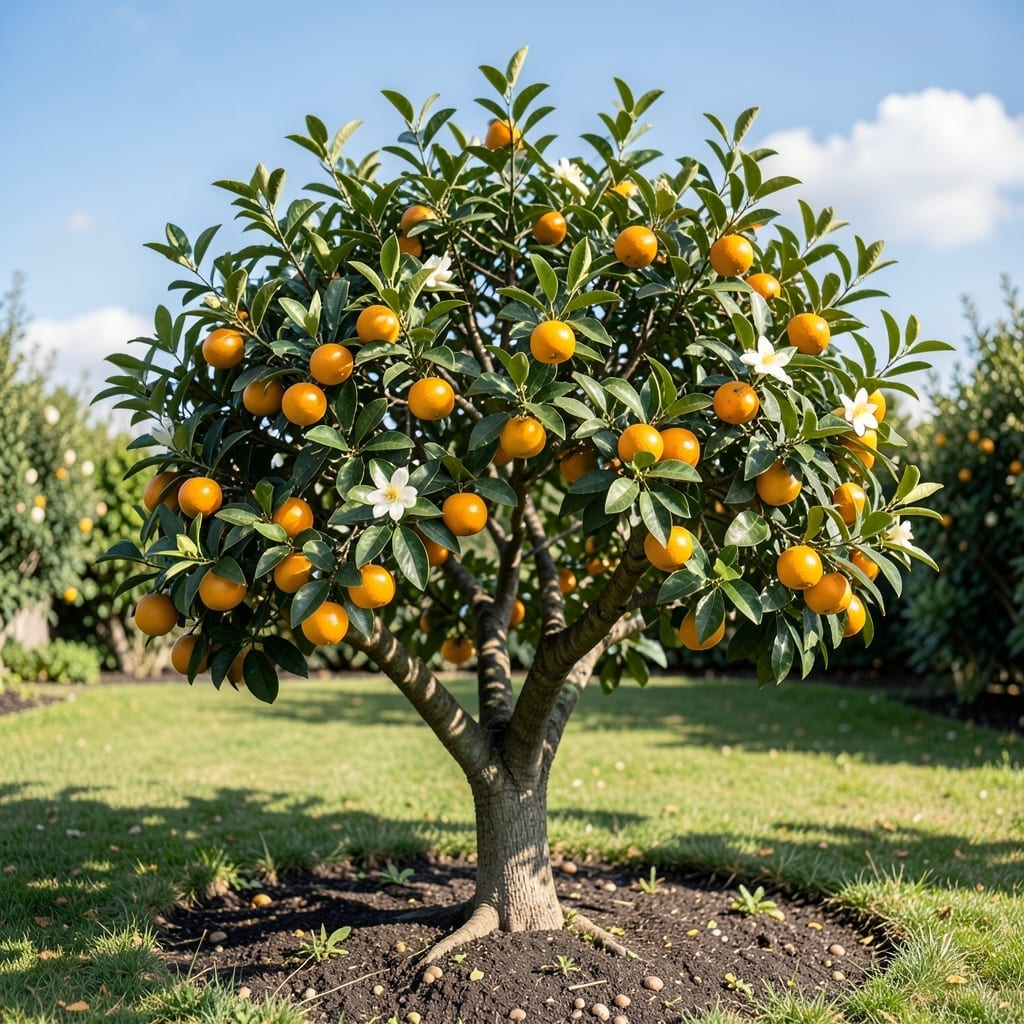
Nothing beats waking up to bright orange blooms outside your window. I planted my first Florida orange-flowered tree five years ago, and it’s been the centerpiece of my yard ever since.
The key is picking the right species for your soil and sunlight. Some thrive in full sun, while others prefer a bit of shade. Watering deeply once a week keeps roots strong without drowning them.
You’ll start seeing those vibrant orange flowers in spring, and with proper pruning, they’ll keep coming back bigger each year. The fragrance alone makes it worth the effort.
Whether you’re in Miami or Orlando, these trees adapt well to Florida’s heat and humidity. Just give them room to grow, and they’ll reward you for decades.
The vibrant orange blossoms on Florida’s trees are a natural response to environmental and biological triggers. Here’s why they flourish in the Sunshine State:
Florida’s warm, subtropical climate provides the ideal conditions for orange-flowered trees like the Tabebuia (trumpet tree) or Bulnesia. These trees bloom in response to seasonal temperature shifts, with cooler winters (60–70°F) signaling dormancy, followed by a burst of flowers as temperatures rise in spring. The high humidity and consistent rainfall also support lush, repeated blooming cycles.
Florida’s sandy, well-draining soil is often enriched with organic matter, which orange-flowered trees love. Phosphorus and potassium—key nutrients in local soils—promote vibrant blooms. However, over-fertilizing with nitrogen can lead to leafy growth at the expense of flowers. A balanced, slow-release fertilizer (10-10-10) in early spring encourages optimal flowering.
These trees thrive with moderate moisture—too little water causes stress, while too much can rot roots. Florida’s frequent rain showers often provide sufficient hydration, but drought periods may trigger a survival response: early or extra blooming to ensure reproduction. Mulching helps retain soil moisture without waterlogging.
Bright orange flowers attract pollinators like bees and butterflies, aiding reproduction. In Florida’s ecosystem, this evolutionary adaptation ensures the tree’s survival by maximizing seed dispersal. Pruning dead wood post-bloom can redirect energy toward next season’s flowers.
If your orange-blooming tree in Florida is struggling, don’t panic—most issues can be fixed with a few targeted steps. Below are practical solutions for the most common problems, paired with prevention tips to keep your tree thriving.
Yellow leaves often signal a lack of nitrogen, iron, or magnesium. Use a balanced, slow-release fertilizer (10-10-10 or citrus-specific) every 6–8 weeks during growing season. For iron deficiency (common in Florida’s alkaline soil), apply chelated iron as a soil drench or foliar spray.
Prevention: Test soil pH yearly—aim for 6.0–7.0. Amend with compost to improve nutrient uptake.
Overwatering or drought stress can cause blooms to drop. Check soil moisture 2 inches deep—water only if dry. Ensure your tree has well-draining soil; if water pools, mix in sand or perlite. Mulch with 2–3 inches of organic matter (bark or pine needles) to retain moisture without suffocating roots.
Prevention: Water deeply 1–2 times per week (more in extreme heat) and always in the morning to reduce fungal risks.
Aphids, scale, or whiteflies love Florida’s warm climate. Blast them off with a strong water spray first. For stubborn infestations, apply neem oil or insecticidal soap (follow label instructions). Introduce beneficial insects like ladybugs or lacewings for long-term control.
Prevention: Inspect leaves and stems weekly. Prune crowded branches to improve airflow and deter pests.
Lack of flowers? Your tree may need more sunlight (6+ hours daily) or phosphorus-rich fertilizer (look for a higher middle number, like 7-9-5). Avoid heavy pruning right before bloom season—trim after flowering instead.
Prevention: Plant in a sunny spot and fertilize with a bloom booster in early spring.
💡 Pro Tip: Florida’s humid climate can invite fungal diseases. Space trees properly, avoid overhead watering, and remove fallen debris to keep your orange-flowered beauty healthy year-round!
Tabebuia (trumpet tree) and Bulnesia are popular choices. Trumpet trees bloom in spring with vibrant, trumpet-shaped flowers, while Bulnesia offers year-round interest with its fragrant blossoms.
Plant in early spring or fall to avoid extreme heat. This gives roots time to establish before summer stress or winter dormancy. Spring planting often leads to blooms the following year.
Most thrive in full sun, requiring at least 6-8 hours of direct sunlight daily. Partial shade works for some varieties, but full sun promotes the most vibrant blooms.
Overwatering is the top issue. These trees prefer well-draining soil, and soggy roots can lead to rot. Water deeply but infrequently, allowing the top 2 inches of soil to dry between waterings.