
Beautiful Plants For Your Interior
Beautiful Plants For Your Interior
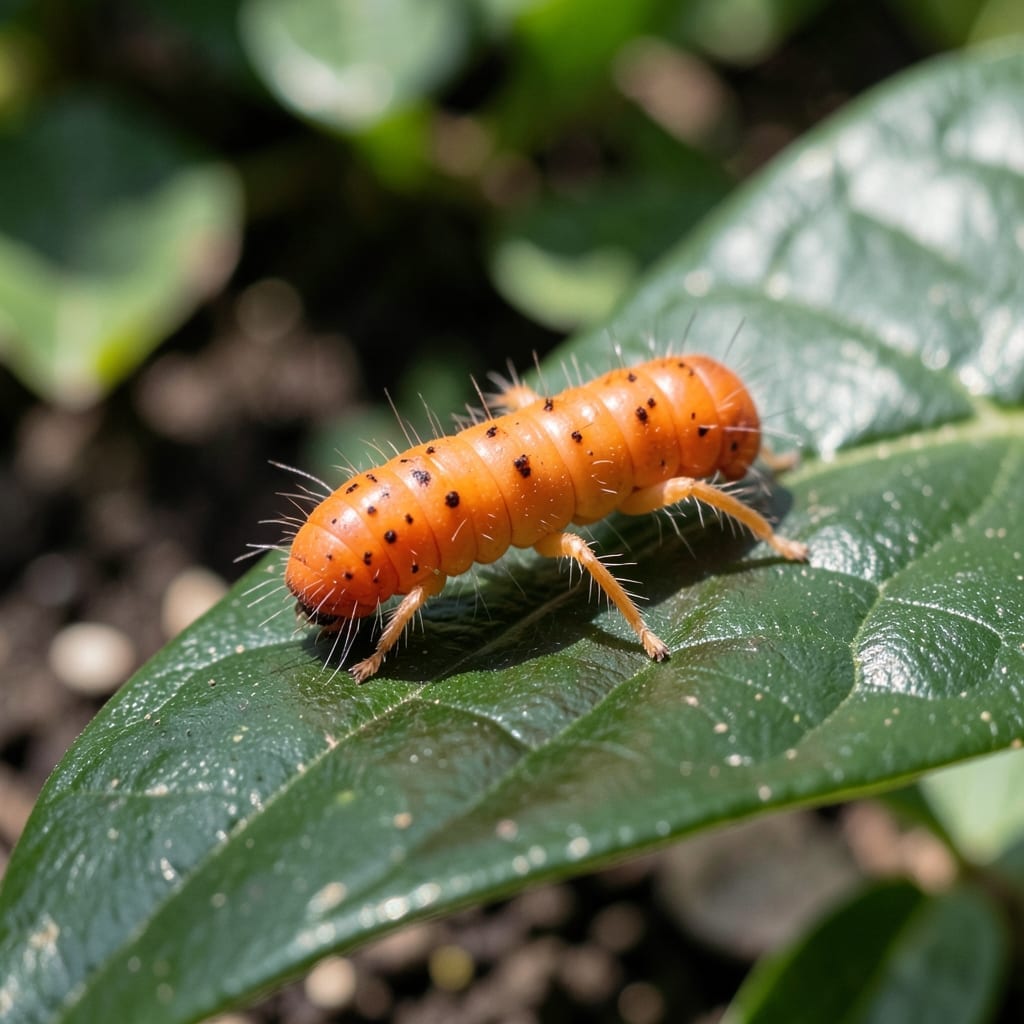
First time I saw an orange dog on my citrus, I thought it was a hummingbird. 🌿 These caterpillars mimic snake heads to scare off predators, but they’ll strip your citrus leaves bare if left unchecked.
They start as tiny eggs on leaves, hatching into brown and white caterpillars that grow up to 4 inches long. The damage happens fast—skeletonized leaves and stunted growth are the first signs you’ve got a problem.
I lost a 3-year-old lemon tree to these pests before learning the tricks. Now I catch them early with daily inspections and organic sprays that don’t harm beneficial insects.
The good news? With the right approach, you can protect your citrus without harsh chemicals. Here’s how to spot and stop them.
The orange dog insect, also known as the Papilio cresphontes caterpillar, appears on citrus trees due to specific biological and environmental triggers. Below are the primary causes of its infestation.
Citrus trees (oranges, lemons, limes) are the preferred host for orange dog caterpillars. Female swallowtail butterflies lay eggs on these plants because the leaves provide the ideal food source for hatchlings. The caterpillars rely on the tree’s foliage for nourishment, which is why infestations are almost exclusive to citrus groves or backyard trees.
These pests thrive in warm, humid climates, particularly in USDA zones 8–11. Temperatures between 70–90°F (21–32°C) accelerate their life cycle, allowing eggs to hatch and larvae to mature rapidly. Regions with mild winters also see year-round activity, as the caterpillars do not fully die off in frost-free areas.
Adult swallowtail butterflies are highly mobile and can travel long distances to find suitable host plants. Gardens with unprotected citrus trees—especially those near wild or untended areas—are at higher risk. The butterflies are attracted to healthy, lush foliage, making well-maintained trees just as vulnerable as neglected ones.
In some ecosystems, the absence of natural predators (like birds, parasitoid wasps, or lizards) allows orange dog caterpillar populations to grow unchecked. Overuse of broad-spectrum pesticides can also disrupt the balance, killing off beneficial insects that would otherwise keep caterpillar numbers in control.
Dealing with these citrus-loving pests requires a mix of immediate action and long-term prevention. Below are targeted solutions for common causes, along with tips to keep your trees pest-free.
If you spot just a few orange dog caterpillars or their distinctive dark droppings, act fast. Wear gloves and pluck them off by hand, then drop them into soapy water to ensure they don’t return. Check the undersides of leaves and branches—these pests are masters of hide-and-seek!
Encourage beneficial insects like parasitic wasps or birds by planting native flowers nearby. For a direct approach, apply neem oil or Bacillus thuringiensis (Bt)—a natural bacteria that targets caterpillars without harming other wildlife. Spray in the early morning or late evening for best results.
Prevention Tip: 💡 Apply a thin layer of horticultural oil in late winter to smother overwintering eggs before they hatch.
Remove heavily infested branches to reduce the pest population. Dispose of pruned material in sealed bags to prevent reinfestation. Inspect your trees weekly during the growing season, especially after rain, as moisture can trigger egg-laying.
Prevention Tip: ✨ Keep the area under your trees clean—fallen leaves and fruit can harbor pupae.
For severe infestations, use a pyrethrin-based insecticide, but follow label instructions carefully to avoid harming pollinators. Apply at dusk when bees are less active, and avoid spraying during bloom periods.
Prevention Tip: 🎯 Rotate treatments to prevent resistance, and always prioritize organic methods first.
They start as tiny brown and white caterpillars, growing up to 4 inches long. Their most striking feature is an orange, forked gland behind their head that resembles a snake’s tongue.
Yes, they primarily target citrus like oranges, lemons, and limes. Rarely, they may feed on related plants in the rue family, but citrus is their preferred host.
A single large caterpillar can strip a small tree of its leaves in just a few days. Multiple pests working together can defoliate a mature tree in under 2 weeks if left unchecked.
No, they’re harmless to humans and pets. They don’t bite or sting, though handling them may trigger their defensive odor. Their damage is purely to your plants.