
Beautiful Plants For Your Interior
Beautiful Plants For Your Interior
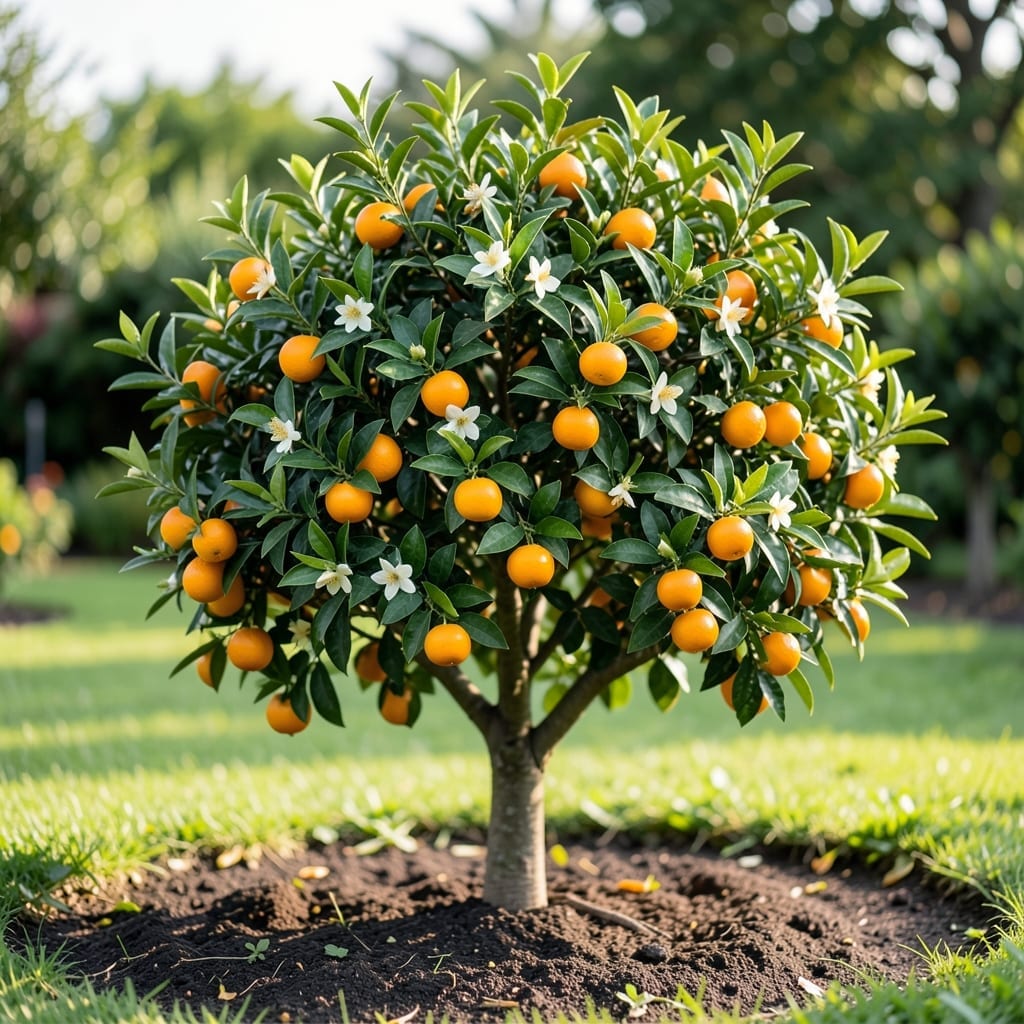
These fiery blooms stopped me mid-garden walk last summer. 🌿 Orange daisy-like flowers bring a pop of warmth that hummingbirds can’t resist, and they’re tougher than they look.
I’ve grown three varieties with success: blanket flower, cosmos, and African daisy. All handle heat and poor soil, and they keep blooming without deadheading. Plant in full sun, give them room to sprawl, and water deeply once a week.
You’ll get months of vibrant color with almost zero maintenance. The petals glow like little suns, and the plants come back reliably each year. Even my black-thumb neighbor can’t kill these.
Perfect for borders, cutting gardens, or that one dry spot where nothing else thrives. Here’s how to make them shine.
The vibrant orange daisy-like flowers you see in gardens are often the result of specific growing conditions and biological triggers. These blooms, commonly from species like Gazania or Calendula, thrive under particular environmental and care factors. Below, we break down the primary causes behind their flourishing.
These flowers are heliotropic, meaning they follow the sun. Full sunlight (6+ hours daily) triggers photosynthesis, fueling robust growth and vivid blooms. Without adequate light, the plants may produce fewer or paler flowers. Actionable tip: Place them in south-facing garden spots or use grow lights indoors.
Overwatering or drought stress can stunt blooming. Orange daisy-like flowers prefer well-draining soil with moderate moisture. Water at the base (not leaves) to prevent fungal issues. Actionable tip: Let the top inch of soil dry between waterings.
Poor soil lacks the phosphorus and potassium needed for flowering. Amend the soil with compost or a low-nitrogen fertilizer (e.g., 5-10-10 NPK) to promote blooms. Actionable tip: Test soil pH—slightly acidic to neutral (6.0–7.0) is ideal.
Many orange daisy-like flowers are cool-season annuals or warm-season perennials. Blooming is often triggered by temperature shifts (e.g., Calendula thrives in 60–70°F). Actionable tip: Plant in spring or fall, depending on your climate.
If your orange daisy-like flowers are looking lackluster, don’t worry—most issues are fixable with a little care. Below are common problems and their solutions, paired with prevention tips to keep your blooms thriving.
Fix: Check soil moisture first. If the top inch is dry, water deeply at the base (avoid wetting the foliage). If the soil is soggy, improve drainage by adding perlite or sand. For heat stress, provide afternoon shade.
Prevent: Water early in the morning to reduce evaporation. Mulch around the base to retain moisture.
Fix: Spray aphids or mites off with a strong stream of water. For stubborn pests, use insecticidal soap or neem oil, applying in the evening to avoid harming pollinators.
Prevent: Inspect leaves regularly and encourage beneficial insects like ladybugs. Avoid over-fertilizing, which can attract pests.
Fix: Yellow leaves often signal overwatering or nutrient deficiency. Reduce watering and ensure pots have drainage holes. Feed with a balanced fertilizer (10-10-10) every 4–6 weeks during growing season.
Prevent: Test soil pH (aim for 6.0–7.0) and amend if needed. Rotate planting spots yearly to prevent nutrient depletion.
Fix: Move potted plants to a spot with dappled sunlight. For in-ground flowers, use shade cloth during peak afternoon hours. Prune damaged blooms to encourage new growth.
Prevent: Harden off young plants by gradually introducing them to sunlight. Choose varieties bred for your climate’s intensity.
Pro Tip 💡: Deadhead spent blooms weekly to redirect energy toward new flowers and extend the blooming season!
Blanket flower and cosmos are the most beginner-friendly. Both tolerate poor soil and drought, blooming from early summer until frost with minimal care.
Yes, they thrive in at least 6 hours of direct sunlight daily. Less light results in fewer blooms and weaker stems.
Water deeply once a week, allowing the top 1 inch of soil to dry between waterings. Overwatering causes root rot.
This usually means too much heat or insufficient water. Provide afternoon shade in hot climates and maintain consistent moisture.