
Beautiful Plants For Your Interior
Beautiful Plants For Your Interior
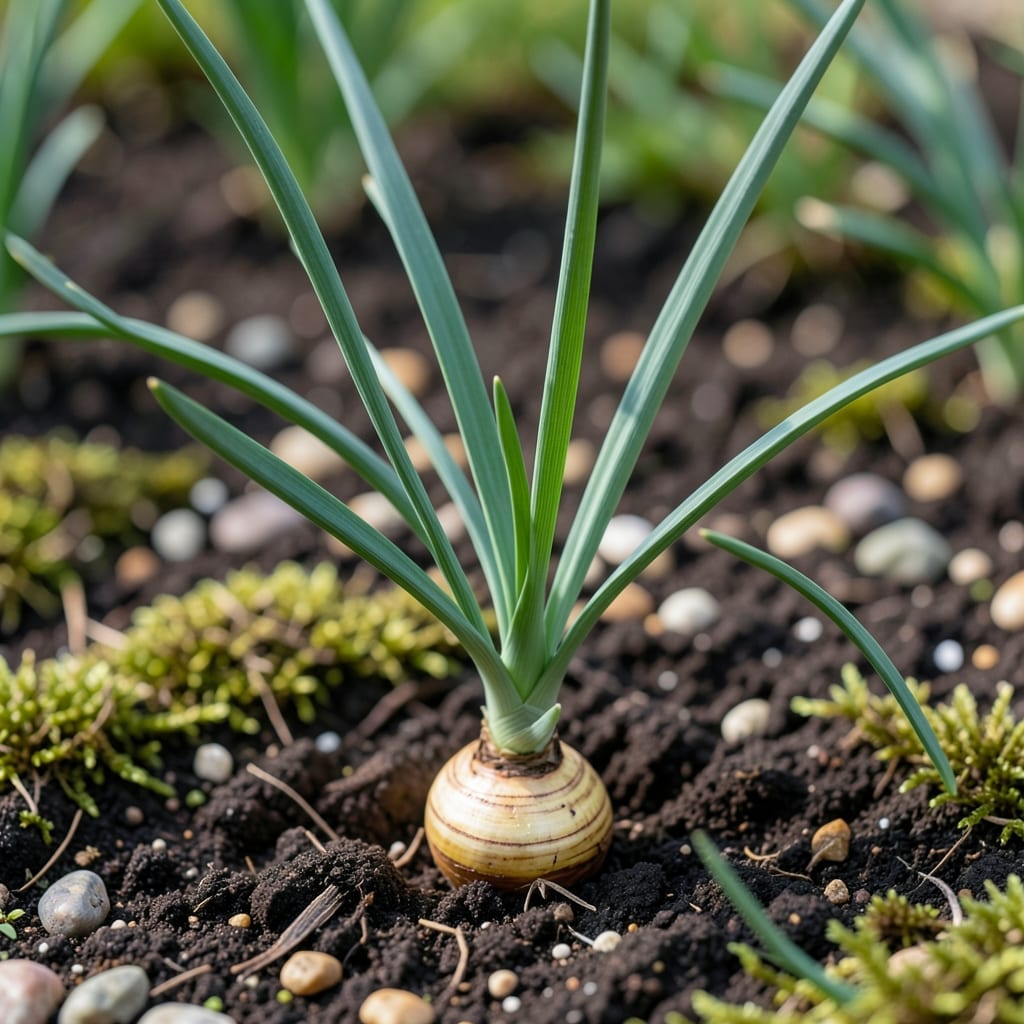
That weird grass with the onion smell popping up in your lawn? It’s wild garlic or onion, and it spreads fast. I’ve battled this myself—one year it was just a few spots, the next it was everywhere.
These pests thrive in thin turf and compacted soil. The good news is you can remove them without killing your grass. It takes persistence, but the right approach works every time.
You’ll see results in 2-3 weeks with consistent pulling or targeted treatments. The key is catching it early before it takes over entire sections of your yard.
Prevention is simpler than you think—just keep your lawn thick and healthy. Here’s how to get rid of it for good.
Onion grass, also known as wild garlic or wild onion, thrives in lawns due to specific environmental and cultural conditions. Understanding these causes can help you prevent its spread and keep your turf healthy.
Compacted soil with poor drainage creates an ideal environment for onion grass. This weed prefers moist, dense soil where turfgrass struggles to grow. When water pools in low-lying areas, it weakens the lawn, allowing onion grass to take root and spread.
Thin or sparse lawns provide open spaces for onion grass to germinate and establish. If your turf lacks density due to improper mowing, poor fertilization, or disease, onion grass will exploit the bare spots. A healthy, thick lawn is your first line of defense against this invasive weed.
Onion grass often appears in lawns with high soil pH (alkaline conditions) or nutrient deficiencies, particularly low nitrogen levels. Turfgrass prefers slightly acidic to neutral soil (pH 6.0–7.0), while onion grass can tolerate and even thrive in more alkaline environments. A soil test can reveal imbalances that may be encouraging its growth.
Inconsistent mowing, infrequent watering, or overwatering can stress your lawn, making it vulnerable to weeds like onion grass. Mowing too short weakens the grass, while overwatering promotes the damp conditions this weed loves. Proper lawn care practices are key to preventing its spread.
Onion grass can be stubborn, but with the right approach, you can reclaim your lawn without harming your turf. Below are practical solutions for each common cause, along with prevention tips to keep it from coming back.
Cut back on watering and ensure your lawn has proper drainage. Onion grass thrives in soggy soil, so water deeply but infrequently—about 1 inch per week, including rainfall. Use a moisture meter to check soil conditions before watering. For drainage issues, aerate compacted soil or install French drains in problem areas.
Prevention tip: 💡 Water in the early morning to allow excess moisture to evaporate during the day, reducing the risk of weed growth.
Onion grass often invades thin or bare spots in your lawn. Overseed with a high-quality grass seed mix suited to your climate, and apply a slow-release fertilizer to encourage thick, healthy growth. Mow regularly at the recommended height for your grass type to shade out weeds.
Prevention tip: 🌱 Aerate and dethatch annually to improve soil health and give your turf a competitive edge against weeds.
For small patches, hand-pull onion grass when the soil is moist, ensuring you remove the entire bulb to prevent regrowth. For larger infestations, apply a selective post-emergent herbicide labeled for onion grass (look for products containing 2,4-D or dicamba). Always follow the label instructions and spot-treat to avoid damaging your lawn.
Prevention tip: 🎯 Apply a pre-emergent herbicide in early spring to stop onion grass seeds from germinating.
Test your soil to identify deficiencies. Onion grass often appears in nutrient-poor or imbalanced soil. Amend with organic matter like compost, and apply a balanced fertilizer to restore vitality. Aim for a soil pH between 6.0 and 7.0, as most grasses prefer slightly acidic to neutral conditions.
Prevention tip: ✨ Top-dress with compost annually to maintain soil fertility and suppress weeds naturally.
It regrows from bulbs left in the soil. Even a small piece can sprout new plants. Pull entire bulbs when soil is moist for best results.
Vinegar is non-selective and will damage surrounding turf. Use selective herbicides with 2,4-D for safer spot treatment.
Maintain thick turf with proper mowing, fertilizing, and watering. Aerate compacted soil and overseed bare spots annually.
No. The bulbs can survive composting and spread. Seal in a bag for trash or burn to prevent reinfestation.