
Beautiful Plants For Your Interior
Beautiful Plants For Your Interior
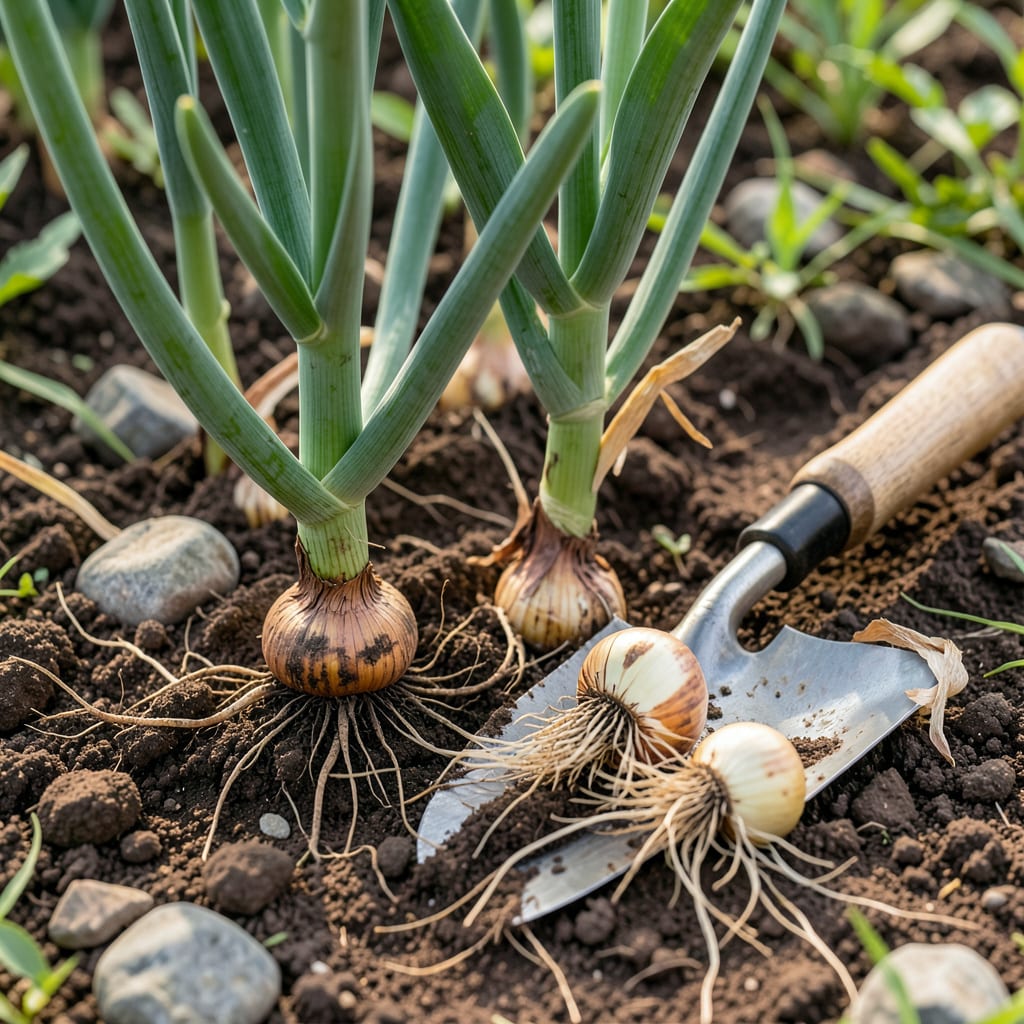
I remember the first time I tried growing 🧅 Onion from seed. Watching those flower heads develop was exciting, but I had no clue when they were actually ready to harvest.
Discover the subtle changes that signal your seeds are at peak maturity. With these tips, you’ll never miss the perfect harvest window again.


I’ve learned that timing is everything when it comes to harvesting onion seeds. The most reliable sign is watching the flower heads transform from vibrant green to a dry, brown hue.
As the umbels mature, the tiny seed pods inside begin to split open, revealing black seeds. This usually happens 90-120 days after the flowers first appear. The stem below the head will also turn brown and woody.☀️
| Maturity Sign | Description |
|---|---|
| Color Change | Flower head turns brown |
| Seed Pods | Pods split open, seeds black |
| Stem Condition | Stem becomes dry and woody |
| Timing | 90-120 days after flowering |
The biological process behind this is fascinating. As the seeds mature, moisture content drops from 60% to below 10%, which is essential for long-term storage. If you harvest too early, the seeds won’t be viable.
I always check the weather forecast before harvesting. A stretch of dry, sunny days is ideal. If rain is expected, I wait or cover the plants to prevent the seeds from getting wet and potentially molding.
Another trick I use is the shake test. When the seed heads are ready, gently shaking them should release a few black, hard seeds. If they’re still green or soft, they need more time.
The time of day matters too. I harvest in the late morning after the dew has dried but before the heat of the day. This helps prevent condensation from forming inside storage containers.
Remember that onion varieties can differ slightly. Sweet onions may mature a bit faster than pungent varieties. Always observe your specific plants rather than relying solely on a calendar.
Once you’ve confirmed the seeds are ready, the harvesting process is straightforward. But proper timing ensures you’ll have high-quality seeds that will germinate well in future growing seasons.
In my experience, the most common mistake is waiting too long. If the seed heads shatter completely, you’ll lose most of your seeds to the wind or birds.🌱
I always start by gathering the right tools for onion seed harvesting. You’ll need sharp pruners, a paper bag, and twine for hanging. The process begins when the flower heads are fully brown and dry.
First, I check that the seed pods have split open and the seeds inside are black and hard. This means they’re ready. I prefer to harvest on a dry, sunny morning after the dew has evaporated.☀️
I’ve found that using a paper bag with small holes works best. It allows air circulation while keeping the seeds contained. Never use plastic, as it can trap moisture and cause mold.
The drying period is crucial. I hang my seed heads in a dark, well-ventilated space like a garage or shed. Direct sunlight can overheat the seeds and reduce viability.
After 2-3 weeks, I test a few seeds by pressing them. If they’re hard and brittle, they’re ready for storage. If they dent, they need more drying time.
For storage, I use glass jars or envelopes in a cool, dark place. I always label with the harvest date and onion variety. Properly stored seeds can last 2-3 years.🌱
I’ve seen many gardeners struggle with onion seed harvesting because they misjudge the timing. The most common error is picking the flower heads while they’re still green, which results in immature seeds that won’t germinate.
Another frequent mistake is waiting too long until the seed heads shatter completely. Once they split open fully, the seeds can scatter in the wind or get eaten by birds, leaving you with very little to save.☀️
⚠️ Warning: Harvesting onion seeds too early or late reduces viability. Always check for black, hard seeds and dry stems before cutting.
Improper drying is another pitfall. If you store seeds that aren’t fully dry, they’ll mold or rot within weeks. I learned this the hard way when my first batch developed mold in storage.
Using the wrong containers can also cause problems. Plastic bags trap moisture, while glass jars without proper sealing can let in humidity. Always opt for breathable paper bags during drying and airtight containers for storage.
Lastly, many forget to label their seeds. Without knowing the harvest date or onion variety, it’s hard to track viability. I now label every batch with these details to avoid confusion.
By avoiding these mistakes, you’ll ensure a high-quality seed supply for future planting seasons.🌱
Mature seeds will be black and hard when pressed. If they’re still green or soft, they need more time on the plant. The shake test can help confirm readiness.
Harvest in the late morning after dew evaporates but before peak heat. This prevents moisture issues during storage and ensures seeds stay dry.
Properly dried and stored seeds typically last 2-3 years. Use airtight containers and keep them in a cool, dark place for best results.
Early harvesting produces immature seeds with high moisture content. These won’t germinate well and may mold in storage. Always wait for brown, dry flower heads.
