
Beautiful Plants For Your Interior
Beautiful Plants For Your Interior
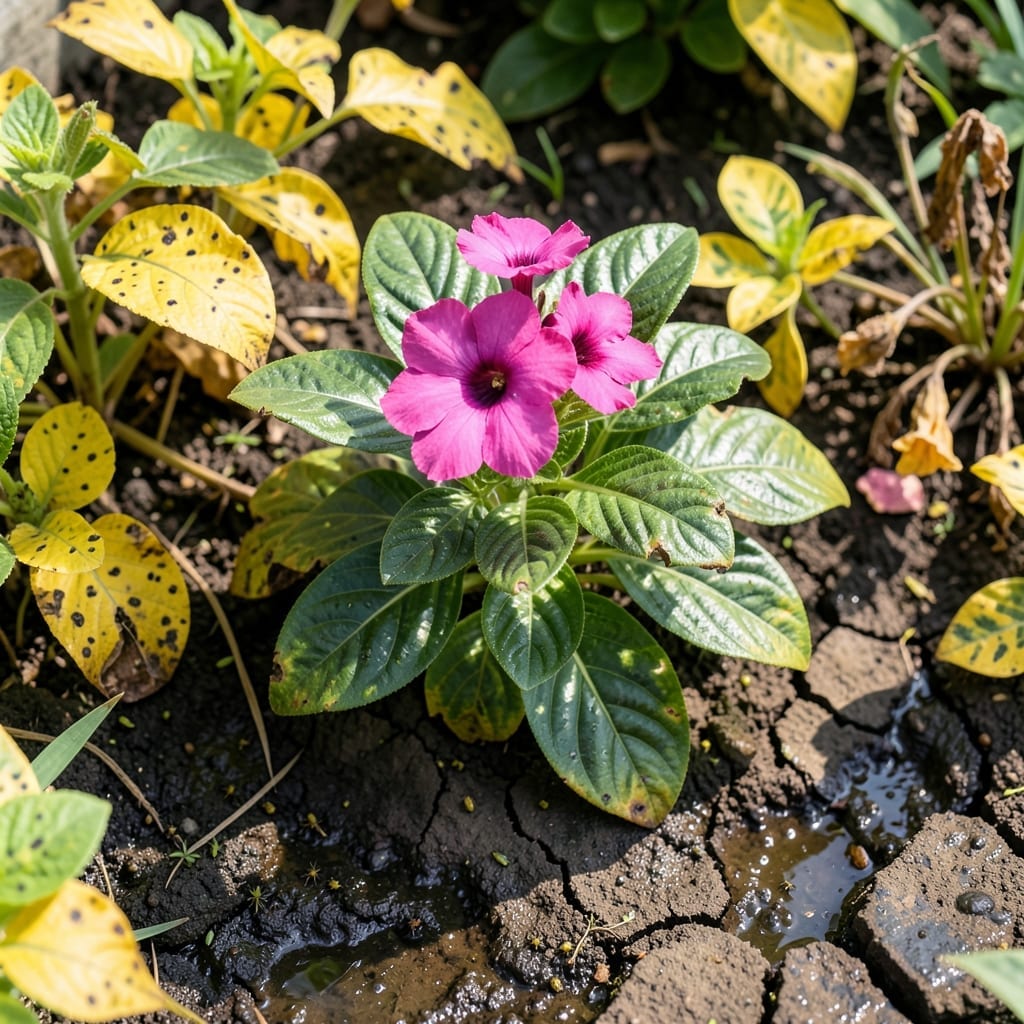
Yellowing leaves, wilting stems, or missing blooms on your New Guinea impatiens aren’t the end of the story. I’ve rescued more than my share from the brink, and the fixes are simpler than you’d think.
Most issues boil down to water stress, poor soil, or sneaky pests hiding under those glossy leaves. A quick soil check and a closer look at the stems usually reveal the culprit. The good news? These plants bounce back fast with the right care.
You’ll see brighter blooms and healthier foliage within a week of addressing the root cause. The key is catching problems early, before they spread to the whole bed.
Works for container plants, garden beds, or hanging baskets. Here’s how to diagnose and fix what’s holding yours back.
Understanding why New Guinea impatiens struggle is the first step to reviving their vibrant blooms. These plants, though hardy, can face issues due to environmental, biological, or cultural factors. Below are the most common causes, explained with actionable insights.
New Guinea impatiens thrive in 60–85°F (15–29°C). Exposure to temperatures below 50°F (10°C) or above 90°F (32°C) can lead to wilting, leaf drop, or stunted growth. Cold drafts or heatwaves disrupt cellular processes, weakening the plant’s ability to absorb water and nutrients. Solution: Move potted plants indoors during extreme weather or provide shade cloth in scorching heat.
Root rot is a silent killer, often caused by soggy soil or containers without drainage holes. These impatiens prefer moist but well-draining soil. Overwatering suffocates roots, reducing oxygen uptake and inviting fungal pathogens like Phytophthora. Solution: Water only when the top inch of soil is dry, and ensure pots have drainage holes.
Spider mites, aphids, and whiteflies are common pests that sap plant vitality. These insects pierce leaves to feed on sap, causing yellowing, curling, or sticky residue (honeydew). Spider mites thrive in hot, dry conditions, while aphids favor new growth. Solution: Spray with insecticidal soap or neem oil at the first sign of pests, focusing on leaf undersides.
Powdery mildew and downy mildew appear as white or grayish patches on leaves, stunting growth. High humidity and poor air circulation create ideal conditions for spores to spread. Solution: Space plants for airflow, water at the base (not overhead), and apply fungicide if needed.
Yellowing leaves (chlorosis) or poor flowering often signal a lack of nitrogen, phosphorus, or iron. Nitrogen supports foliage, while phosphorus boosts blooms. Iron deficiency, common in alkaline soils, causes interveinal yellowing. Solution: Use a balanced, water-soluble fertilizer (e.g., 10-10-10) every 2–4 weeks, or test soil pH (aim for 6.0–6.5).
When your New Guinea impatiens show signs of trouble, quick action can restore their health and beauty. Below are targeted fixes for the most frequent problems, along with prevention tips to keep them thriving.
If leaves are yellowing or wilting, check the soil. Let the top inch dry out between waterings, and ensure pots have drainage holes. Prevention: Use well-draining potting mix and water only when the soil feels dry to the touch. 💡 Pro tip: Elevate containers to avoid soggy roots.
Crispy, brown edges or faded blooms often mean too much direct sun. Move plants to a spot with bright, indirect light or provide afternoon shade. Prevention: Acclimate plants gradually to sunlight and mulch the soil to retain moisture.
Inspect leaves for sticky residue (aphids) or fine webbing (mites). Blast pests off with water or apply insecticidal soap. Prevention: Spray plants with water regularly and keep the garden free of debris. 💡 Pro tip: Introduce beneficial insects like ladybugs for natural control.
White powdery spots or blackened stems signal fungal issues. Remove affected parts, improve air circulation, and avoid overhead watering. Use a fungicide if needed. Prevention: Space plants properly and water at the base to keep foliage dry.
Pale leaves or stunted growth may indicate a lack of nutrients. Feed plants with a balanced, water-soluble fertilizer every 2–4 weeks during the growing season. Prevention: Refresh soil with compost annually and follow fertilizer instructions carefully.
With these fixes, your New Guinea impatiens will bounce back and reward you with vibrant, long-lasting blooms! 🌸
Yellowing often signals overwatering or poor drainage. Check if soil stays soggy and let the top 1 inch dry between waterings. Also test for nutrient deficiencies, especially nitrogen.
They prefer bright, indirect light. Direct sun can scorch leaves, especially in hot climates. Provide afternoon shade if temperatures exceed 85°F.
White spots are likely powdery mildew. Improve airflow, avoid overhead watering, and apply fungicide. Space plants 12-18 inches apart for prevention.
Use well-draining potting mix with perlite or vermiculite. Aim for slightly acidic soil with a pH of 6.0-6.5 for optimal nutrient uptake.