
Beautiful Plants For Your Interior
Beautiful Plants For Your Interior
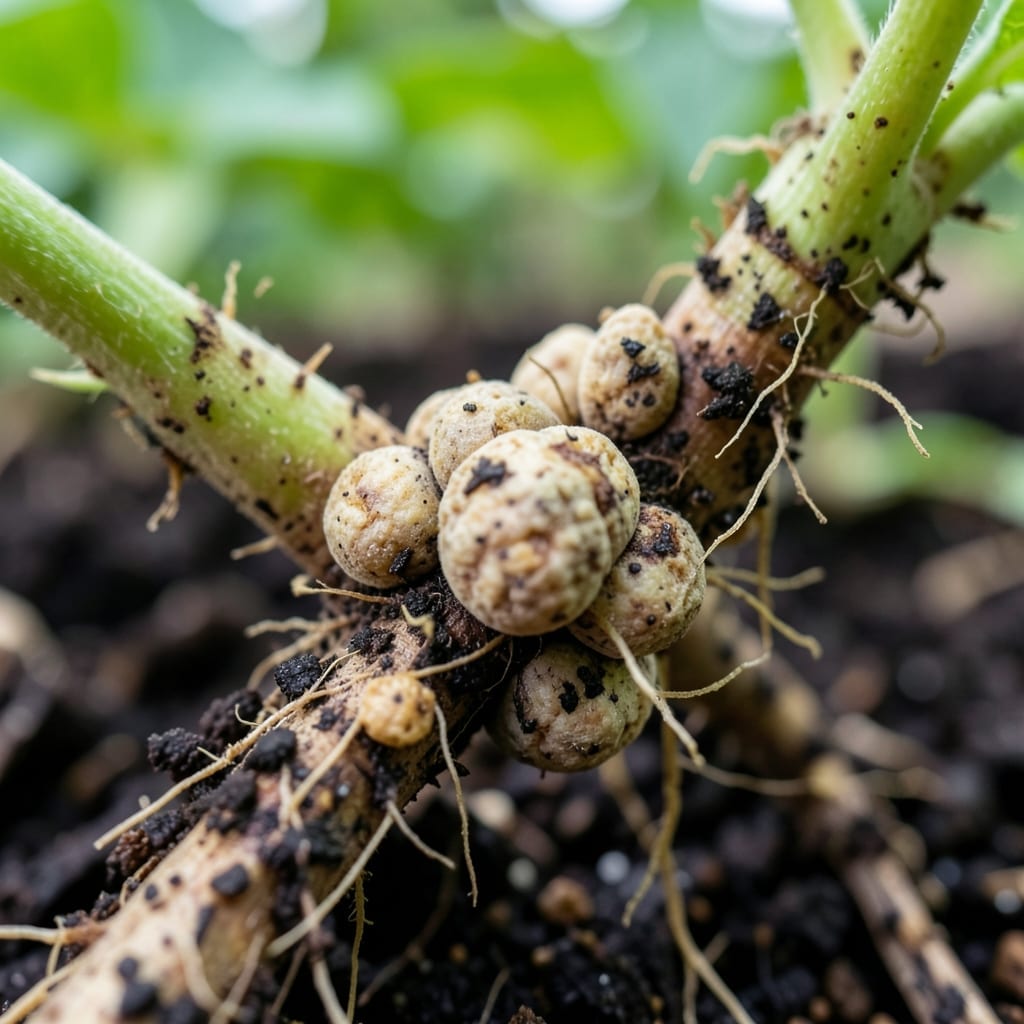
Those weird lumps on your plant roots aren’t growth spurts. I first spotted them on my tomatoes—tiny, bead-like swellings that stunted everything above soil. Turns out, nematode root knot was quietly sabotaging my garden for months.
These microscopic worms thrive in warm, moist soil, attacking roots and stealing nutrients. The damage shows up as yellowing leaves, wilting, and plants that just never seem to grow. They spread through water, tools, or even your boots.
Here’s the thing—early detection is your best defense. Pull up a struggling plant and check the roots. If you see those telltale knots, it’s time to act before they multiply and take over your entire bed.
We’ll cover how to confirm the diagnosis, revive affected soil, and keep these pests from coming back. No fancy equipment needed, just smart, consistent strategies that actually work.
Understanding why root knot nematodes invade your soil is the first step to stopping them. These microscopic pests thrive under specific conditions, often exploiting weaknesses in your garden’s ecosystem. Below are the key causes behind their infestation:
Depleted or imbalanced soil lacks the natural defenses to resist nematodes. Overuse of chemical fertilizers, low organic matter, and compacted soil reduce beneficial microbial activity, creating an open invitation for root knot nematodes. Healthy, well-aerated soil with rich compost supports antagonist organisms (like fungi and bacteria) that suppress nematode populations.
Excess moisture and waterlogged soil create ideal conditions for nematodes to multiply. These pests move more easily through saturated soil, and stressed plant roots (due to lack of oxygen) become more susceptible to infection. Ensure proper drainage and water only when the topsoil is dry to the touch.
Planting the same crop—or even related plant families—in the same spot year after year allows nematode populations to build up unchecked. Many vegetables (like tomatoes, peppers, and cucumbers) are highly susceptible. Rotate crops with non-host plants (e.g., grains, marigolds, or legumes) to break the nematode life cycle.
Nematodes spread via infected soil, tools, or transplants. Using unsterilized gardening equipment or introducing nursery plants with infested roots can introduce these pests to a clean garden. Always sterilize tools with a 10% bleach solution and inspect new plants for galls or stunted growth before planting.
Dealing with nematode root knot issues requires targeted action. Below are practical solutions mapped to common causes, along with prevention tips to keep your soil healthy.
If nematodes have taken over, soil solarization is a chemical-free fix. Cover moist soil with clear plastic for 4–6 weeks during hot weather. The heat traps and kills nematodes. Prevention tip: Rotate crops annually to disrupt nematode life cycles. 💡
Planting nematode-resistant crops like marigolds, castor beans, or certain tomatoes can break the pest’s hold. Check seed labels for N-resistant strains. Prevention tip: Avoid monocropping—diversity confuses pests! ✨
Boost soil with compost or neem cake to encourage beneficial microbes that outcompete nematodes. Prevention tip: Test soil pH—nematodes thrive in imbalanced conditions. 🎯
Nematodes love soggy roots. Improve drainage with raised beds or sand amendments. Prevention tip: Water deeply but less frequently to avoid creating a nematode paradise. 🌡️
Pro tip: Introduce predatory nematodes (e.g., Steinernema) to naturally reduce harmful populations. Always follow package instructions for best results.
Look for bead-like swellings or knots on the roots. Above ground, plants may show stunted growth, yellowing leaves, or wilting even with adequate water.
Yes, nematicides can be effective but require careful application. Always follow label instructions and consider organic options like neem cake first for safer results.
Marigolds, castor beans, and certain mustard varieties act as natural deterrents. Plant these as cover crops or companions to suppress nematode populations.
Cover moist soil with clear plastic for 4-6 weeks during hot weather. The trapped heat kills nematodes at all life stages.