
Beautiful Plants For Your Interior
Beautiful Plants For Your Interior
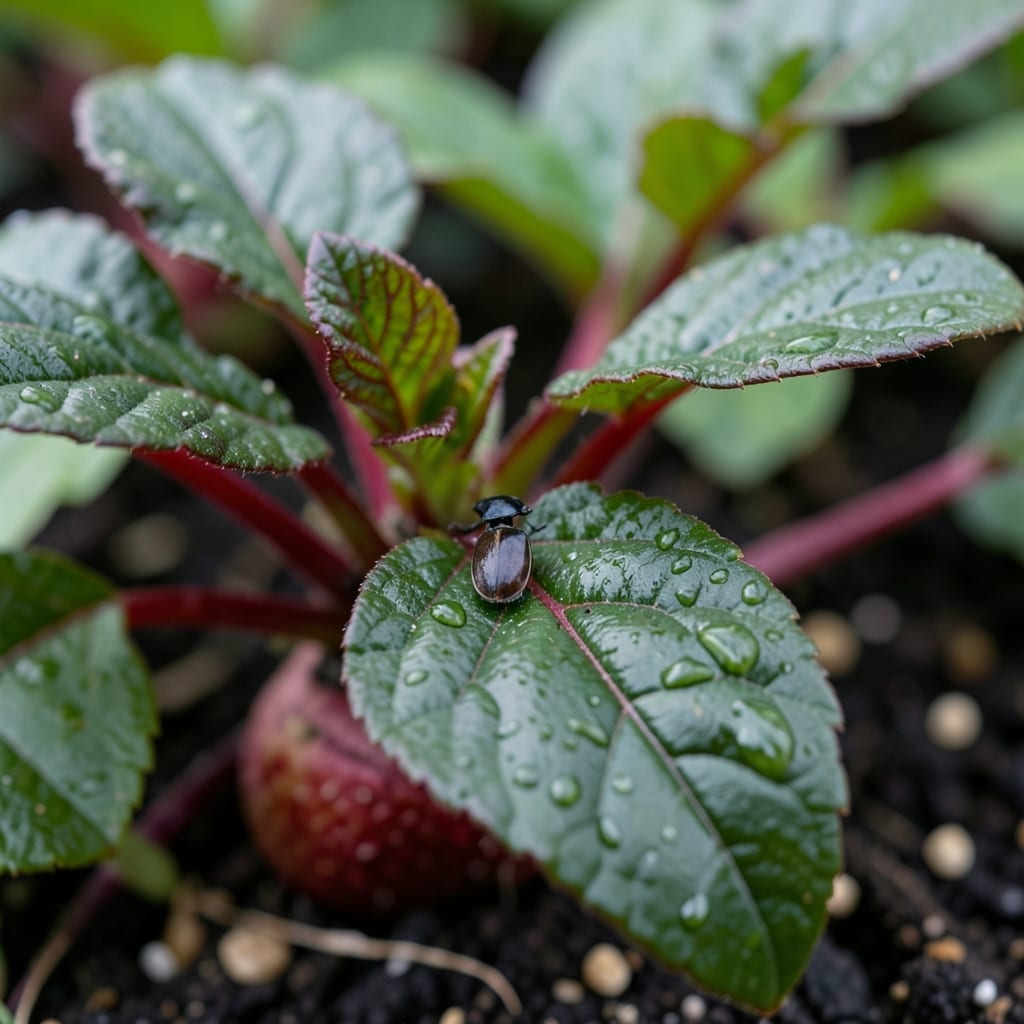
Japanese beetles skeletonize my roses in 24 hours. I discovered a natural spray that stops them cold without chemicals or the harsh smell of commercial products.
This solution uses everyday kitchen items you already have on hand. The beetles drop off within 30 minutes of application, and the protection lasts through light rain.
Your plants recover fast once the pests are gone. The spray won’t harm beneficial insects, and you can apply it the same day you mix it up.
Works on vegetables, flowers, and shrubs alike. Here’s how to make and use it effectively.
Japanese beetles are a common garden nuisance, but their presence isn’t random. Understanding the root causes helps you tackle the problem naturally. Here’s why these pests show up in the first place:
Japanese beetles are drawn to over 300 plant species, with a particular fondness for roses, grapes, linden trees, and vegetables like beans and corn. They detect these plants through volatile organic compounds (VOCs) released by foliage, which signal a food source. Gardens with diverse, beetle-favorite plants are essentially sending out a dinner invitation.
These beetles thrive in summer temperatures between 75–90°F (24–32°C) and prefer dry, sunny days. Drought-stressed plants emit stronger VOCs, making them even more irresistible. regions with hot, dry summers often see higher beetle populations as a result.
Japanese beetle grubs (the larval stage) live in soil, feeding on grass roots. Overwatered or poorly drained lawns create ideal conditions for grubs to mature into adult beetles. Additionally, compacted or nutrient-poor soil weakens plants, making them more susceptible to beetle damage. Healthy, aerated soil disrupts their life cycle.
In their native Japan, natural predators like parasitic wasps and certain birds keep beetle numbers in check. In the U.S., these predators are often absent, allowing beetle populations to explode. Encouraging biodiversity (e.g., attracting birds with feeders or planting native species) can help restore balance.
Dealing with Japanese beetles doesn’t have to mean reaching for harsh chemicals. With a few natural, targeted solutions, you can protect your garden while keeping it safe for pollinators and your family. Below are practical fixes mapped to common causes, plus prevention tips to keep these pests from returning.
If you spot metallic green-and-copper beetles feasting on leaves, hand-pick them early in the morning when they’re sluggish and drop them into soapy water. For larger infestations, set up pheromone traps—but place them far from your garden to avoid luring more beetles in. A DIY spray of neem oil or garlic (mixed with water and a drop of dish soap) can repel adults when applied every 5–7 days.
White grubs (beetle larvae) thrive in moist, healthy soil. Introduce beneficial nematodes (like Heterorhabditis bacteriophora) to the soil in late summer—they’ll parasitize and kill grubs naturally. Apply milky spore powder (Bacillus popilliae) in early fall for long-term control; it spreads a disease that targets only Japanese beetle grubs. For immediate action, till the soil in early spring to expose and dry out grubs.
Pro tip 🎯: Rotate your crops yearly to disrupt beetle feeding patterns and reduce long-term buildup.
Reapply every 5-7 days or after rain for best results. The natural oils break down quickly in sunlight and water.
No, the spray targets beetles specifically. It’s safe for pollinators when used as directed. Always spray in the evening when bees are less active.
Yes, but rinse produce before eating. The ingredients are food-safe, but washing removes any residue. Works great on vegetables like beans and corn.
This can happen if new beetles fly in. Combine spraying with hand-picking in the morning when they’re slow. Consistency is key for long-term control.