
Beautiful Plants For Your Interior
Beautiful Plants For Your Interior
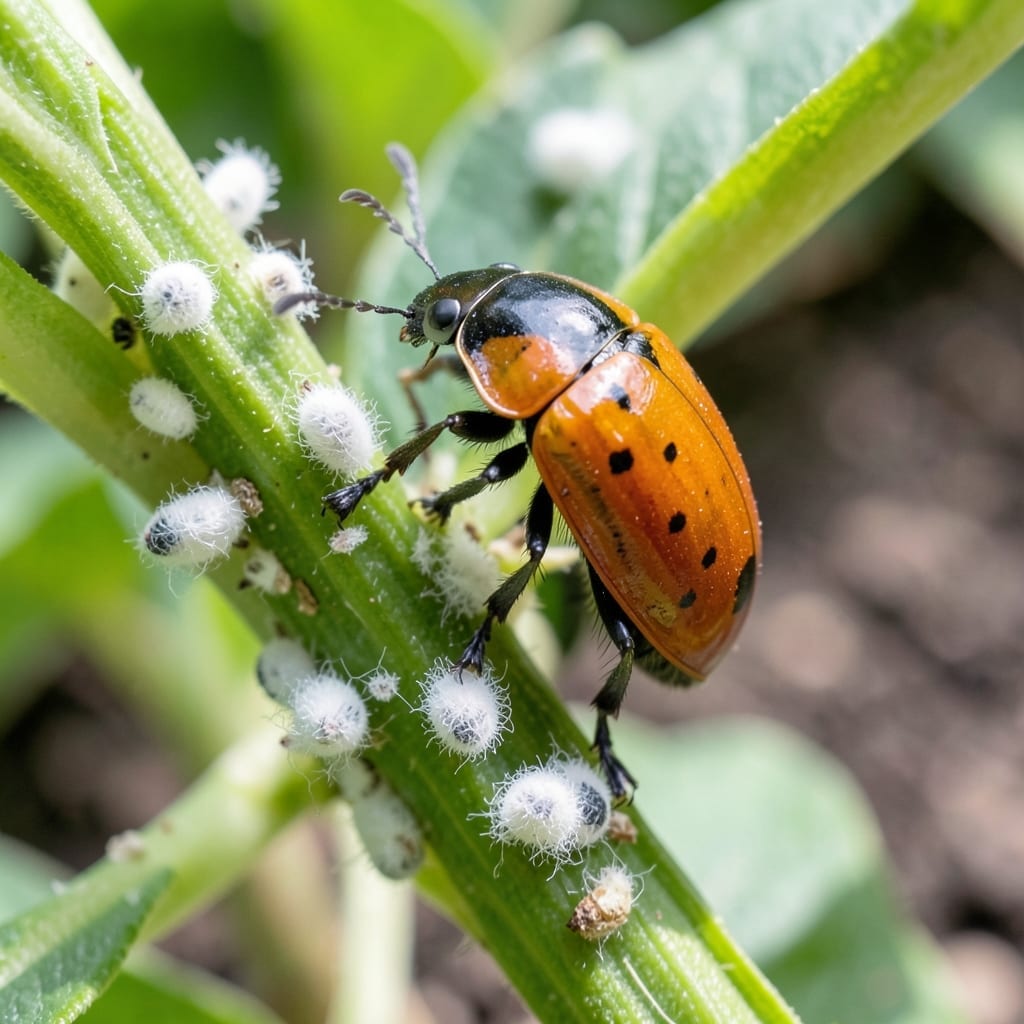
Mealybugs turn healthy plants into sticky, white messes overnight. I lost a favorite fern to these pests before discovering a foolproof natural solution that works in 24 hours.
No harsh chemicals needed—just household items transformed into plant protection. The spray targets mealybugs without harming beneficial insects or your plant’s health.
You’ll see the cottony clusters disappear after the first application. Prevention is simple: regular inspections and this spray on standby keep them from returning.
Works on houseplants, greenhouse crops, and outdoor gardens. Here’s the exact method that saved my collection.
Mealybugs don’t just appear out of nowhere—they thrive when specific conditions align. Understanding these triggers helps you prevent infestations before they start.
Plants packed too closely together create humid, stagnant microclimates that mealybugs love. Stress from poor light, nutrient deficiencies, or inconsistent watering weakens plants, making them more susceptible to pests. Weakened plants emit chemical signals that attract mealybugs, which feed on sap more easily from compromised tissues.
Mealybugs flourish in high humidity (above 60%) and damp environments. Overwatering or poor drainage leaves soil soggy, encouraging fungal growth that indirectly supports mealybug colonies. Wet foliage also provides the moisture these pests need to reproduce rapidly.
Temperatures between 70–80°F (21–27°C) are ideal for mealybug proliferation. Indoor plants near heaters or in greenhouses are prime targets. These pests slow down in cooler conditions (below 60°F/15°C), so temperature control can disrupt their life cycle.
Stagnant air traps humidity and warmth, creating a perfect breeding ground. Dense canopies or cluttered growing spaces limit airflow, allowing mealybugs to spread unchecked. Even gentle airflow from a fan can deter them by drying out their waxy protective coatings.
Mealybugs often hitchhike on new plants, tools, or unsterilized potting mix. Their eggs can lie dormant in soil for months, emerging when conditions improve. Always quarantine new plants for 2–3 weeks and use pasteurized soil to break the cycle.
Mealybugs can be stubborn, but these natural solutions will help you reclaim your plants without harsh chemicals. Here’s how to tackle each issue effectively:
For a severe outbreak, mix 1 part rubbing alcohol (70% isopropyl) with 1 part water in a spray bottle. Test on a small leaf area first to check for sensitivity. Spray directly on mealybugs to dissolve their protective coating. Repeat every 3–4 days until they’re gone.
Combine 1 tbsp mild liquid soap (like Castile), 1 tbsp neem oil, and 1 quart of water. Shake well and spray the entire plant, focusing on leaf undersides and stems where mealybugs hide. Reapply weekly for prevention.
Pro tip 💡: Neem oil disrupts their life cycle—use it in the evening to avoid leaf burn from sun exposure.
Sprinkle food-grade diatomaceous earth on the soil surface. This powder dehydrates mealybugs on contact. Reapply after watering or rain. Note: Use only for dry soil to maintain effectiveness.
Remember ✨: Consistency is key! Natural treatments take time, so stick with your routine for the best results.
For active infestations, use alcohol or soap sprays every 3-4 days until gone. For prevention, apply neem oil mixtures weekly. Consistency is key to breaking their life cycle.
Most plants tolerate these solutions, but always test on 1-2 leaves first. Sensitive plants like ferns or succulents may need diluted mixtures. When in doubt, start with weaker concentrations.
They often hide in soil or nearby plants. Check leaf undersides, stems, and top inch of soil. Isolate new plants for 2-3 weeks to prevent reintroducing pests.