
Beautiful Plants For Your Interior
Beautiful Plants For Your Interior
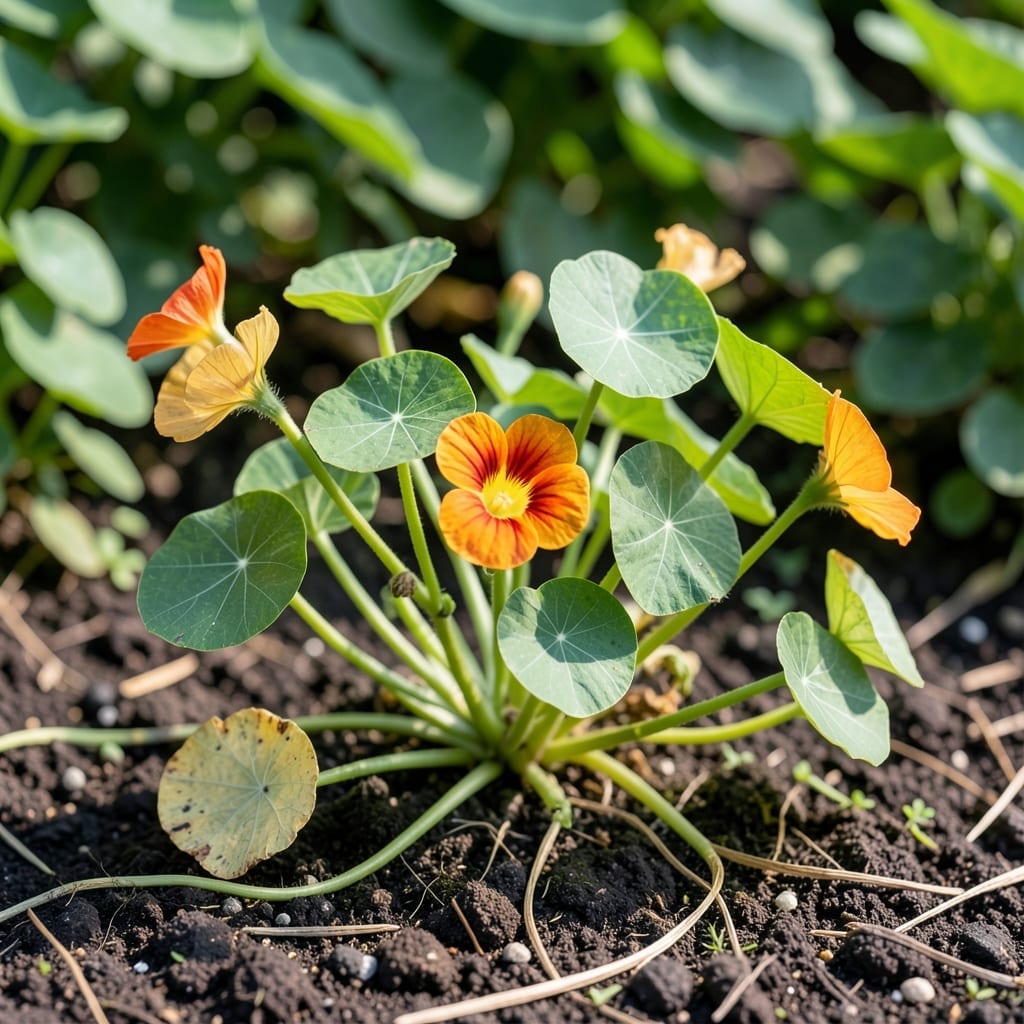
Yellow leaves on your nasturtiums aren’t the end of the world. I’ve seen this exact problem turn around in 48 hours with the right fix, and I’m sharing the exact steps that saved my plants last season.
Most of the time, it’s not disease but a simple mismatch between what the plant needs and what it’s getting. Too much water, not enough light, or hungry soil—each leaves a distinct pattern on those leaves.
What follows is a visual guide to pinpoint the issue fast. You’ll spot the difference between thirsty yellow and nutrient-starved yellow, then apply the organic remedy that matches.
Works for container plants, garden beds, and even hanging baskets. Let’s get those leaves green again.
When your nasturtiums start turning yellow, it’s usually a sign of stress or imbalance. Here’s a breakdown of the most common causes, with clear explanations to help you diagnose the issue.
Nasturtiums need a steady supply of nutrients to thrive. A lack of nitrogen often causes uniform yellowing, starting with older leaves. Magnesium deficiency leads to yellowing between leaf veins (interveinal chlorosis), while iron or manganese shortages can cause younger leaves to pale. A balanced organic fertilizer can correct these imbalances quickly.
Too much water suffocates the roots, preventing them from absorbing oxygen and nutrients. This triggers yellowing, often accompanied by wilting or mushy stems. Nasturtiums prefer well-draining soil—if your plants sit in soggy ground, amend the soil with compost or perlite to improve drainage.
While nasturtiums love sun, excessive heat or direct afternoon sun in hot climates can scorch leaves, turning them yellow or brown. Conversely, too little light weakens the plant, leading to pale, spindly growth. Aim for 6–8 hours of morning sun and provide shade cloth in intense heat.
Aphids, spider mites, or whiteflies sap plant juices, causing yellow stippling or curled leaves. Fungal diseases like powdery mildew or root rot (from Phytophthora or Pythium) also yellow foliage. Inspect leaves for pests or fuzzy growth, and treat with neem oil or copper fungicides for organic control.
Sudden temperature drops, frost, or cold drafts can shock nasturtiums, leading to yellowing. Similarly, nutrient burn from over-fertilizing or salt buildup in soil can mimic deficiency symptoms. Flush the soil with water to remove excess salts if you suspect overfeeding.
When your nasturtiums start turning yellow, quick action can restore their vibrant color. Below are targeted fixes for common causes, along with prevention tips to keep them thriving.
Yellow leaves often signal a lack of nitrogen or iron. Fix: Apply a balanced, organic fertilizer (like 10-10-10) or work compost into the soil. For iron, use chelated iron supplements. Prevent it: Test soil annually and amend with compost before planting.
Soggy roots cause yellowing and wilting. Fix: Let the top inch of soil dry out between waterings. Ensure pots have drainage holes. Prevent it: Use well-draining soil and water only when the soil feels dry to the touch.
While nasturtiums love sun, intense heat can scorch leaves. Fix: Move potted plants to partial shade or use shade cloth. Prevent it: Plant in areas with afternoon shade in hot climates.
Aphids and spider mites suck sap, causing yellow spots. Fix: Spray leaves with a mix of water and neem oil or insecticidal soap. Prevent it: Inspect plants weekly and encourage beneficial insects like ladybugs.
Powdery mildew or root rot turns leaves yellow. Fix: Remove affected leaves, avoid overhead watering, and apply fungicide (like copper spray). Prevent it: Space plants for airflow and water at the base.
Pro Tip 💡: Nasturtiums are hardy—small adjustments often bring them back to life. Act fast, and your garden will reward you with lush green growth!
Water when the top 1 inch of soil feels dry. They prefer moderate moisture and will yellow with too much or too little.
No, but new growth will return to green once the underlying issue is fixed. Remove severely yellowed leaves to redirect energy.
Use a balanced organic fertilizer like 10-10-10 or compost. Avoid high-nitrogen mixes unless leaves are uniformly pale.
Edge yellowing often signals salt buildup from over-fertilizing or poor water quality. Flush soil with water to remove excess salts.