
Beautiful Plants For Your Interior
Beautiful Plants For Your Interior
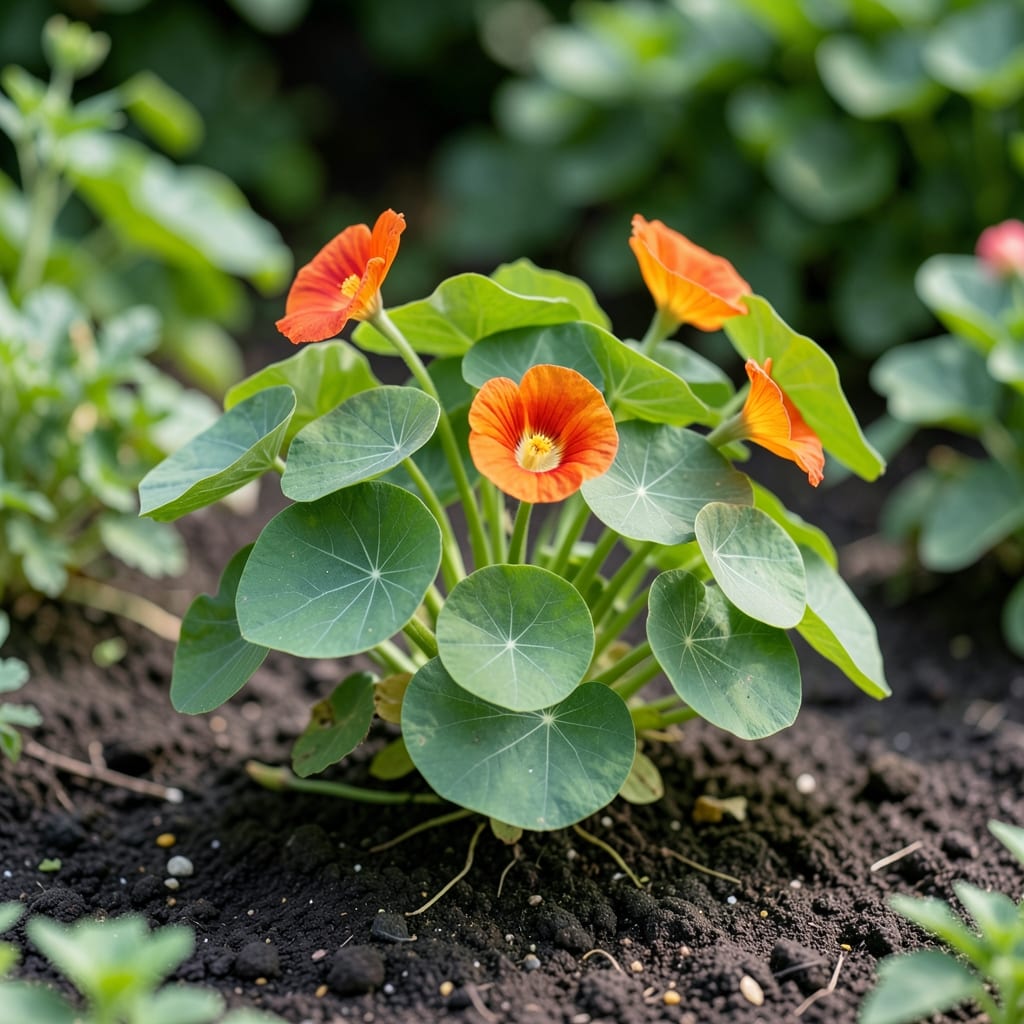
Those curled nasturtium leaves had me worried the first time I saw them. Turns out, it’s often the plant’s way of telling you something’s off in its environment or health.
I’ve learned that leaf curl in nasturtiums usually points to pests, disease, or stress from water or temperature. The good news? Most causes are fixable with a few simple adjustments.
With the right approach, your plants can bounce back quickly. I’ve saved numerous nasturtiums by catching the signs early and acting fast with natural solutions.
We’ll cover what to look for and how to keep your garden thriving without harsh chemicals.
Nasturtium leaf curl is often a sign of stress or disease, and identifying the root cause is key to restoring plant health. Below are the most common triggers, explained in clear, actionable terms.
Fungi like Plectosphaerella cucumerina thrive in wet, humid conditions, causing leaves to curl as they disrupt cellular function. Overhead watering or poor air circulation can accelerate this. Action: Space plants for airflow, water at the base, and remove infected foliage immediately.
Aphids, whiteflies, and spider mites suck sap from nasturtium leaves, leading to distortion and curling. Check undersides for pests or sticky residue (honeydew). Action: Blast off pests with water or apply neem oil for organic control.
Extreme heat, drought, or sudden temperature swings force leaves to curl as a protective measure. Nasturtiums prefer moderate conditions (60–75°F). Action: Mulch to retain moisture and provide afternoon shade in hot climates.
Excess nitrogen promotes lush but weak growth prone to curling, while potassium deficiency weakens cell walls. Action: Use a balanced fertilizer (10-10-10) and avoid over-fertilizing.
If your nasturtiums are showing curled leaves, act fast with these targeted fixes. Addressing the root cause ensures healthy growth and vibrant blooms.
If the soil is dry and temperatures are soaring, your plants are likely thirsty. Fix: Water deeply at the base in the early morning to reduce evaporation. Aim for 1–1.5 inches per week, adjusting for rainfall. Mulch with straw to retain moisture.
Prevent: 💡 Plant in partially shaded areas during peak summer or use shade cloth for afternoon protection.
Aphids and whiteflies cause leaf curl by sucking sap. Fix: Blast them off with a strong stream of water or apply neem oil (mix 1 tbsp oil + 1 tsp dish soap per gallon of water). Spray every 5–7 days until pests are gone.
Prevent: 🎯 Encourage ladybugs and lacewings (natural predators) by planting companion flowers like marigolds.
Curling with yellowing or spots? It could be a fungal issue. Fix: Remove infected leaves immediately and treat with a copper-based fungicide or a DIY mix of 1 tsp baking soda + 1 quart water + a drop of dish soap. Spray weekly.
Prevent: ✨ Space plants 10–12 inches apart for airflow and avoid overhead watering to keep foliage dry.
Yellowing with curl? Your soil might lack nitrogen or magnesium. Fix: Amend soil with compost or use a balanced organic fertilizer (10-10-10). For magnesium, sprinkle 1 tbsp Epsom salt per gallon of water at the base.
Prevent: Test soil annually and enrich with compost before planting.
Check the undersides of leaves for tiny insects or sticky residue. Aphids and whiteflies are common culprits that cause distortion.
New growth should appear healthy once the root cause is addressed. Severely damaged leaves may not uncurl, but the plant will produce fresh ones.
Yes! Maintain consistent watering, ensure good airflow, and avoid overhead watering. These simple steps reduce most curling risks.
Only if pests or fungal diseases are spreading. Isolate affected plants and treat immediately to protect others.