
Beautiful Plants For Your Interior
Beautiful Plants For Your Interior
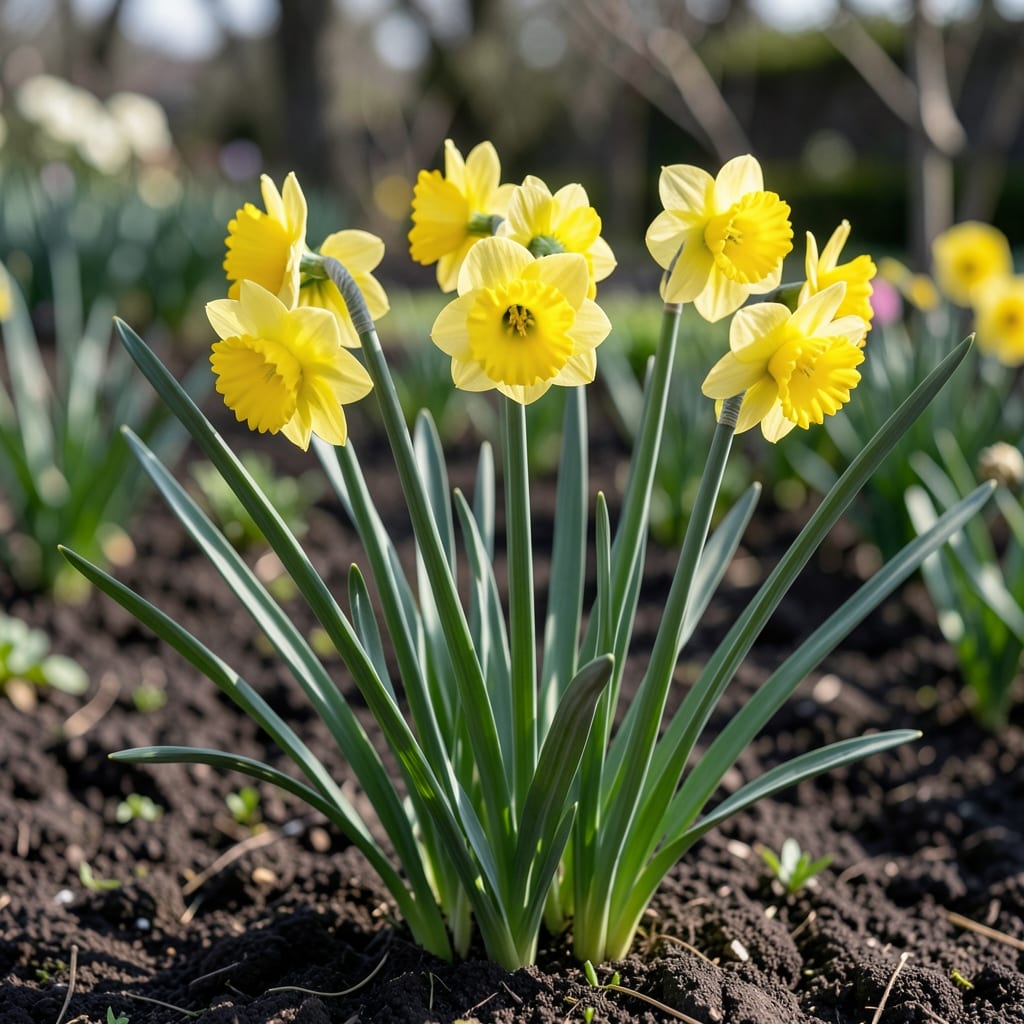
There’s nothing like seeing those first golden clusters pushing through winter soil. I’ve planted Yellow Cheerfulness daffodils for years, and they never fail to deliver that early spring boost when everything else is still brown and dormant.
These double-flowered narcissus pack multiple blooms per stem, creating a full, ruffled look that lasts 2-3 weeks longer than single varieties. They thrive in partial shade and return reliably every year with almost no effort from you.
📚 In This Guide
This method ensures vibrant, reliable blooms that return year after year with minimal effort.
Choose a location with full sun to partial shade—at least 6 hours of direct sunlight daily produces the brightest yellow blooms. Yellow Cheerfulness tolerates a range of soil types but thrives in well-draining, slightly acidic to neutral soil (pH 6.0-7.0).
Amend heavy clay or sandy soil with 2-3 inches of organic matter like compost or well-aged manure. This improves drainage and nutrient availability. Avoid low-lying areas where water pools, as bulbs will rot in soggy conditions.
Test soil drainage by digging a 1-foot deep hole and filling it with water. If it drains within 1 hour, your soil is suitable. If not, add coarse sand or perlite to the planting area.
Plant bulbs in fall, 4-6 weeks before the first hard frost, when soil temperatures drop below 60°F. This allows roots to establish before winter dormancy. Dig individual holes or a trench 6-8 inches deep—the general rule is 3 times the bulb’s height.
Space bulbs 4-6 inches apart for a naturalized look or 2-3 inches apart for a dense, dramatic display. Place each bulb with the pointed end facing upward—if unsure, plant it sideways; the shoot will still find its way to the surface.
Backfill with native soil and press gently to remove air pockets. Water thoroughly after planting to settle the soil and encourage root growth. You’ll see green shoots emerge in early spring as temperatures rise.
Water bulbs immediately after planting to initiate root development. Keep soil evenly moist but not waterlogged during the fall and early spring. Once established, Yellow Cheerfulness is drought-tolerant, but consistent moisture during the growing season produces the best blooms.
Apply a 2-3 inch layer of organic mulch, such as shredded bark or straw, after the ground freezes in late fall. This insulates the soil, prevents winter heaving, and suppresses weeds. Remove mulch in early spring as shoots begin to emerge to avoid smothering new growth.
Monitor rainfall during the growing season. If your region receives less than 1 inch of rain per week, supplement with deep watering. Use a rain gauge or check soil moisture by inserting your finger 1-2 inches deep—if it feels dry, it’s time to water.
Apply a balanced, low-nitrogen fertilizer (e.g., 5-10-10 or 6-12-12) in early spring as shoots appear. Sprinkle 1 tablespoon per square foot around the planting area and lightly work it into the soil. Avoid high-nitrogen fertilizers, which promote leafy growth at the expense of flowers.
Deadhead spent blooms after flowering to prevent seed formation, which diverts energy away from bulb storage. However, do not remove foliage until it turns yellow and withers naturally—this typically takes 6-8 weeks after blooming. The leaves continue photosynthesis to replenish the bulb for next year’s growth.
If foliage becomes unsightly, you can braid or fold the leaves but resist the urge to cut them back prematurely. Mark the planting area with stakes if needed to avoid accidental disturbance during summer maintenance.
Yellow Cheerfulness bulbs naturalize and multiply over time, but they may become crowded after 3-5 years. When you notice fewer blooms or overcrowded foliage, it’s time to divide. Dig up bulbs in early summer after foliage has died back but before new roots form.
Gently separate offsets from the parent bulb and replant the healthiest, largest bulbs immediately at the same depth and spacing as before. Discard any soft, rotten, or diseased bulbs to prevent issues in the new planting. Water thoroughly after replanting to help roots re-establish.
Replant divided bulbs in a new location or share them with fellow gardeners. This rejuvenates your display and ensures consistent, vibrant blooms for years to come.
Small details make all the difference between lackluster bulbs and spectacular spring displays.
Sunlight Strategy: While these bulbs tolerate partial shade, the 6+ hours of direct sunlight mentioned in Step 1 is non-negotiable for maximum bloom production. I’ve noticed that locations getting morning sun and afternoon shade still perform well, but avoid deep shade under trees where they’ll struggle to store energy for next year.
Drainage Test Insight: In Step 1, that 12-inch hole drainage test is your best insurance policy. If water sits for longer than 1-2 hours, consider building raised beds or amending with coarse sand and organic matter. I learned this the hard way after losing several bulbs to rot in a low-lying area that looked perfect at planting time.
Planting Depth Precision: The 6-8 inches planting depth in Step 2 is critical—too shallow and bulbs may heave during winter, too deep and they’ll struggle to emerge. Measure from the base of the bulb, not the tip, and plant in groups of 5-7 bulbs for a naturalized look rather than rigid rows.
Post-Bloom Patience: That 6-8 weeks of foliage growth after blooming in Step 4 is when the bulb is working hardest. Resist the urge to tidy up early. I mark my calendar when blooms fade so I know exactly when it’s safe to cut back, and I’ve found yellowing leaves are nature’s perfect signal that the process is complete.
Plant bulbs in well-drained soil in fall, 6 inches deep and spaced 4-6 inches apart. Water moderately after planting and keep soil moist during growth. Full sun to partial shade works best. Fertilize lightly in early spring for vibrant blooms.
The ideal planting time is early to mid-fall, about 2-4 weeks before the ground freezes. This allows roots to establish before winter. In warmer climates, plant in late fall or early winter.
Yes! Try Narcissus Ice Follies (white/yellow) or Tête-à-Tête (miniature yellow) for a similar cheerful look. Jonquil narcissus varieties also offer bright yellow flowers with a sweet fragrance.
Common issues include planting too shallow, poor drainage, or lack of sunlight. Overcrowded bulbs may also skip blooming—dig up and divide clumps every 3-5 years. Ensure bulbs receive at least 6 hours of sunlight daily.