
Beautiful Plants For Your Interior
Beautiful Plants For Your Interior
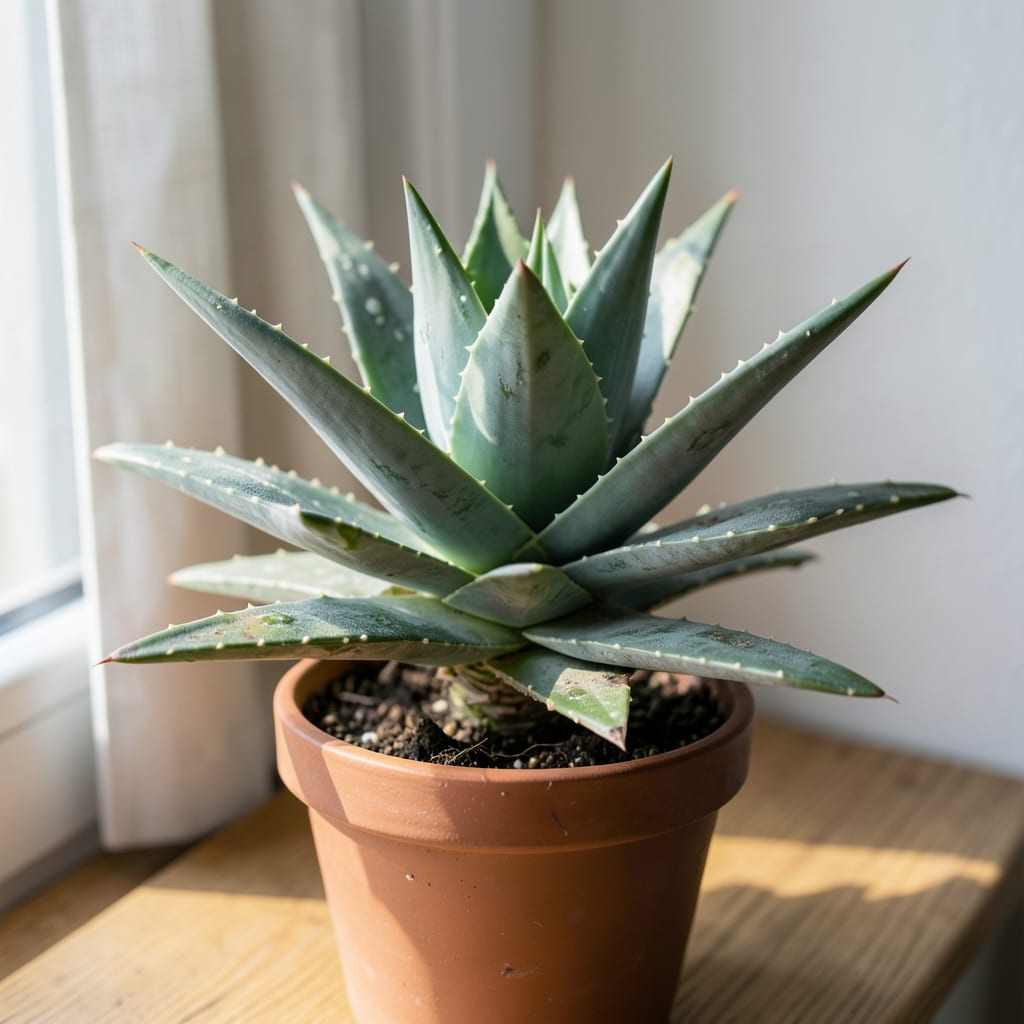
That sinking feeling when you press an aloe leaf and it doesn’t bounce back. I’ve been there—multiple times—watching my once-plump aloe turn to mush in 48 hours flat.
Here’s the thing—mushy leaves aren’t just ugly, they’re a distress signal. Usually it’s overwatering, but poor soil or a sneaky fungal issue can do the same damage. The good news? You can usually reverse it.
With the right adjustments, your plant can push out new, firm growth within 2-3 weeks. The key is acting fast before rot spreads to the roots.
Works for potted aloes, garden plants, or that neglected office specimen. Let’s get to work.
Mushy aloe leaves are a common sign of distress in these hardy plants. Here are the most frequent causes, explained with actionable insights:
Aloe plants store water in their thick leaves, making them highly susceptible to root rot from excess moisture. When the soil remains soggy, oxygen can’t reach the roots, leading to decay. The leaves turn soft, yellow, or translucent as cells burst from overhydration. Fix it: Water only when the top 2 inches of soil are bone-dry, and ensure the pot has drainage holes.
Even with moderate watering, aloe leaves rot if the soil or container traps water. Heavy, clay-based soils or pots without drainage create a suffocating environment. Fix it: Repot in a cactus/succulent mix (50% perlite or sand) and use terracotta pots to wick away excess moisture.
Aloe thrives in warm, stable climates (60–75°F). Exposure to cold drafts (below 50°F) or sudden temperature swings disrupts cell structure, causing mushiness. Frost is especially deadly, turning leaves to sludge overnight. Fix it: Move plants indoors during cold snaps and avoid placing them near AC vents or drafty windows.
Pathogens like Phytophthora or Erwinia thrive in wet conditions, entering through wounds or stressed tissue. Infected leaves develop soft, discolored spots that spread rapidly. Fix it: Isolate the plant, remove affected leaves with sterilized shears, and treat with a copper-based fungicide. Improve airflow to prevent recurrence.
Reviving your aloe plant starts with identifying the root cause of those soft, mushy leaves. Below are targeted fixes for the most common problems, paired with prevention tips to keep your plant thriving.
If soggy soil is the culprit, stop watering immediately. Remove the plant from its pot and inspect the roots—trim any black or mushy ones with clean scissors. Repot in fresh, well-draining cactus mix and a container with drainage holes. Wait at least a week before watering again, and always check that the top inch of soil is dry first.
Prevention: Water only when the soil is completely dry, and use a pot with drainage to avoid waterlogging. 💡 Pro tip: Stick your finger in the soil—if it feels damp, hold off on watering!
For advanced root rot, act fast. Remove all affected roots and leaves, then soak the remaining healthy roots in a 1:10 hydrogen peroxide-to-water solution for 10 minutes to disinfect. Repot in fresh soil and a clean pot. Place the plant in bright, indirect light to aid recovery.
Prevention: Avoid overpotting—aloe plants prefer snug containers. Ensure your potting mix includes perlite or sand for better drainage.
If mushy leaves are paired with brown, crispy tips, your aloe may be sunburned. Move it to a spot with bright but indirect light (e.g., near an east-facing window). Trim the damaged leaves—they won’t heal, but new growth will be healthier.
Prevention: Gradually acclimate your aloe to direct sunlight over a week to prevent shock. Use a sheer curtain to filter intense rays during peak hours.
If cold drafts or extreme heat are to blame, relocate your aloe to a stable environment (ideally 55–80°F). Avoid placing it near AC vents, heaters, or drafty windows. Mushy leaves from cold stress may not recover, but new growth will adapt if conditions improve.
Prevention: Keep your aloe in a consistent temperature zone, and move it indoors during winter if you live in a cold climate.
Water only when the top 2 inches of soil are completely dry. In most homes, this means watering every 3-4 weeks. Always check the soil moisture first.
Unfortunately, mushy leaves won’t regain their firmness. Remove them to prevent rot from spreading. New, healthy growth will appear with proper care within 2-3 weeks.
Use a cactus/succulent mix with added perlite or coarse sand for drainage. A 50/50 blend of potting mix and perlite is ideal. Avoid dense, water-retaining soils.
Gently remove the plant from its pot. If roots are black, mushy, and smell foul, it’s root rot. Healthy roots are white and firm. Root rot requires immediate treatment.