
Beautiful Plants For Your Interior
Beautiful Plants For Your Interior
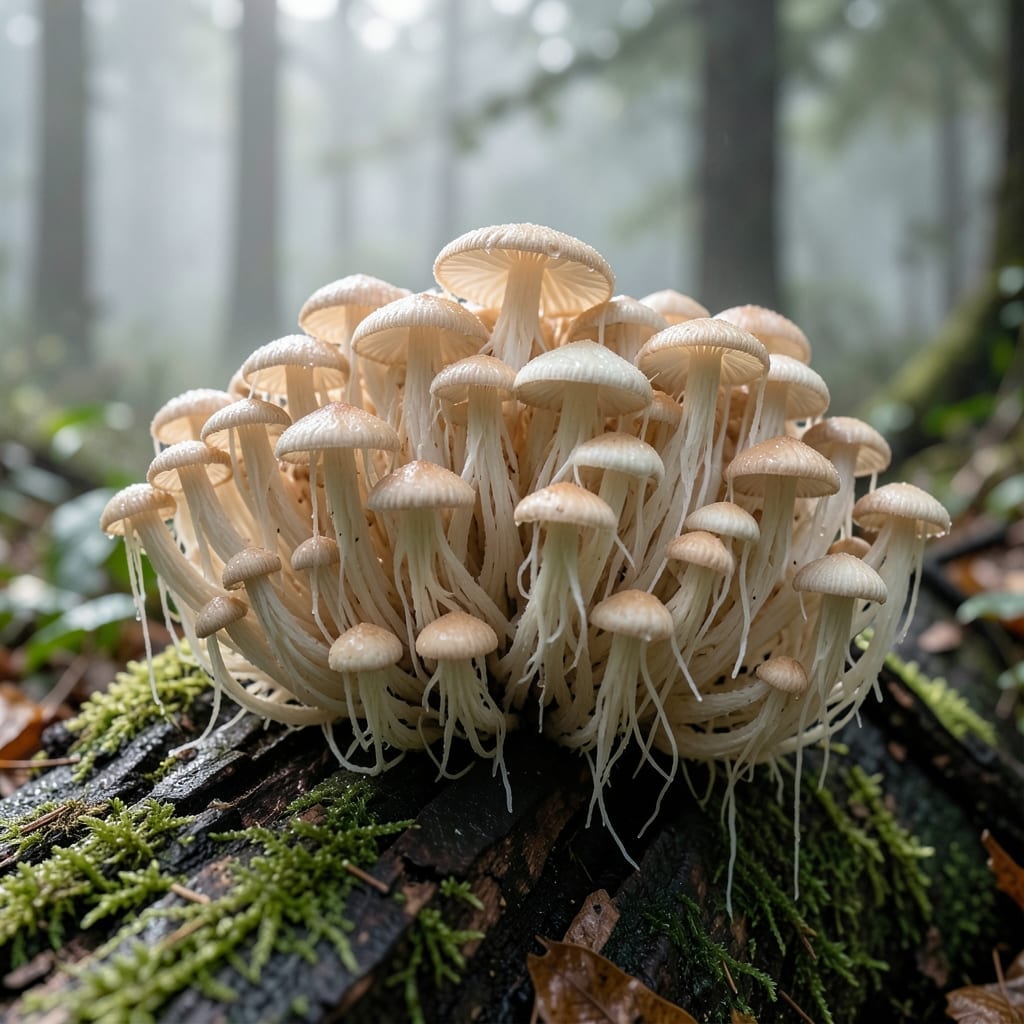
There’s something magical about discovering noodle-like mushrooms in your garden. I first spotted them under a cluster of leaf litter, their stringy, pale forms twisting like cooked pasta.
These unique fungi thrive in moist, shaded areas with plenty of organic matter. They’re not just a quirky visual—they play a role in breaking down decaying wood and leaves, enriching your soil.
Growing them intentionally takes patience and the right conditions, but the payoff is a garden that feels like a secret, whimsical world.
Fair warning: some varieties can be toxic, so always confirm identification before touching or consuming.
The unique appearance of mushrooms that resemble noodles is a fascinating result of natural biological processes and environmental conditions. Here’s a breakdown of the key causes:
Certain mushroom species, like Clavulinopsis fusiformis (Coral Mushroom) or Ramaria spp., naturally develop elongated, noodle-like structures due to their genetic makeup. These fungi evolved to maximize surface area for spore dispersal, leading to their distinctive, branching forms. Their DNA dictates the growth pattern, creating thin, cylindrical branches that mimic noodles.
Moisture, temperature, and substrate play critical roles. High humidity and consistent warmth encourage rapid, elongated growth, while nutrient-rich soil (like decaying wood or leaf litter) provides the energy needed for these fungi to stretch into noodle-like shapes. In dry or poor conditions, mushrooms may grow stunted or clustered, losing their noodle-like appearance.
Many noodle-like mushrooms form symbiotic relationships with trees or decomposing organic matter. For example, Ramaria fungi often partner with hardwood trees, absorbing nutrients while breaking down wood. This mutual exchange fuels their unusual growth, allowing them to develop long, slender branches that resemble noodles.
Understanding these factors can help gardeners replicate the ideal conditions to cultivate these visually striking varieties.
If your garden is sprouting noodle-like mushrooms and you want to restore order (or just keep them in check), these targeted fixes will help. Below are common causes and their solutions, plus prevention tips to keep your garden thriving.
Mushrooms thrive in damp, shaded areas. If excess moisture is the culprit:
Fungi feed on decomposing wood, leaves, or mulch. If you spot noodle-like mushrooms near these:
Shady, moist corners are mushroom magnets. To discourage growth:
💡 Pro Tip: If you love the look of noodle-like mushrooms, designate a damp, shady corner for them to grow intentionally—just keep them away from edible plants to avoid contamination risks!
It’s best to avoid touching wild mushrooms unless you’re certain of their identity. Some varieties can cause skin irritation or allergic reactions.
Look for elongated, stringy shapes and note their habitat—most grow in damp, shady areas with decaying wood. Use a field guide or consult an expert for confirmation.
Yes! Create a moist, shaded spot with plenty of organic matter like leaf litter or wood chips. Keep the area consistently damp to encourage growth.
Some edible varieties exist, but many are toxic or bitter. Never consume wild mushrooms without expert identification. Stick to cultivated varieties for safety.