
Beautiful Plants For Your Interior
Beautiful Plants For Your Interior
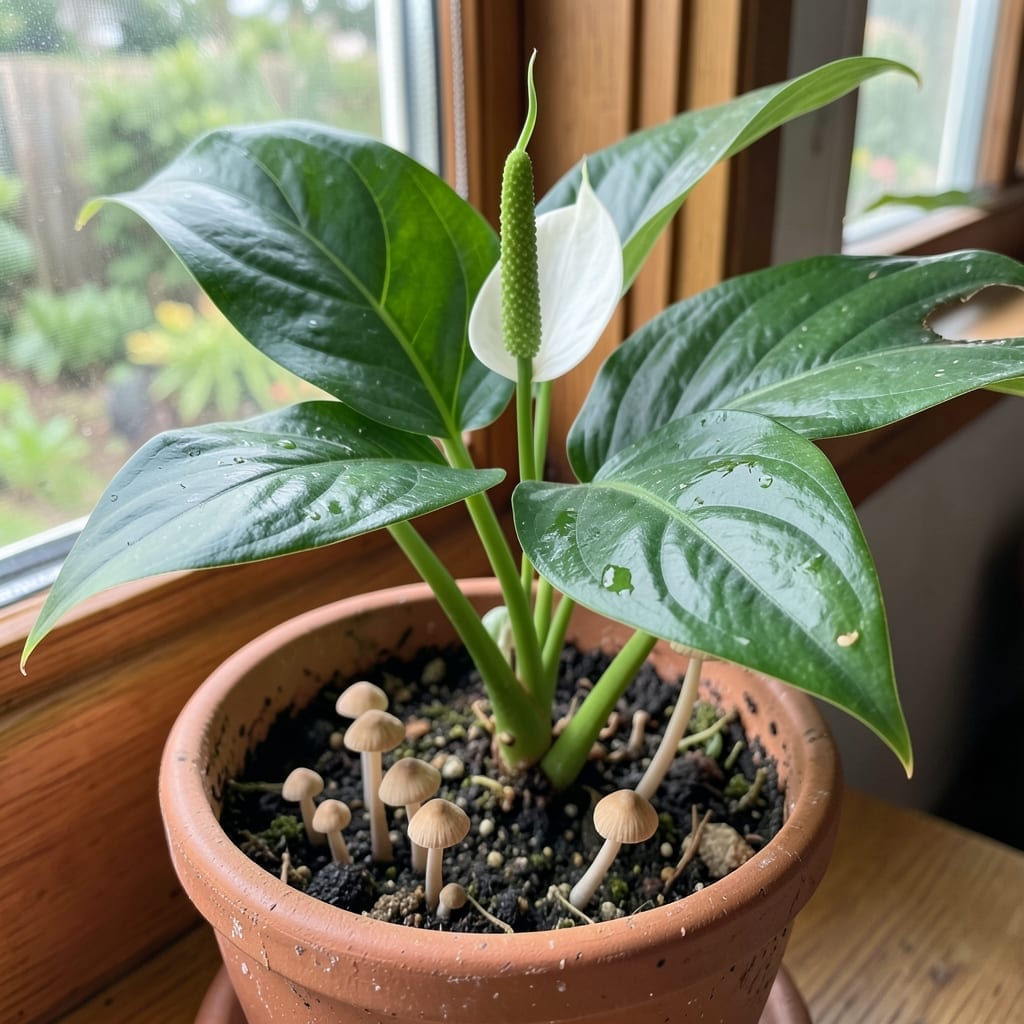
I noticed the first mushroom in my potted fern last spring. It wasn’t pretty, but it wasn’t the end of the world either.
These fungi pop up when organic matter breaks down—usually from overwatering or old potting mix. They’re not harmful to most plants, but they’re a sign your soil needs attention.
We’ve learned that removing them is simple: pluck them out, adjust watering habits, and let the soil dry between drinks. A little sunlight helps too.
Prevention is even easier with fresh soil and proper drainage. Your plants will thank you, and those mushrooms won’t come back.
Mushrooms popping up in your plant’s soil might seem alarming, but they’re usually a sign of a thriving—albeit unintended—ecosystem. These fungi don’t harm your plants directly, but their presence points to specific environmental conditions. Here’s why they’re growing in your plant:
Mushrooms thrive on decomposing organic material, such as dead roots, leaves, or unprocessed compost in the soil. If you’ve recently added unsterilized compost, mulch, or peat moss, you’ve likely introduced fungal spores. These spores germinate when they find a rich food source, leading to visible mushrooms. Even overwatered plants with decaying roots can create the perfect breeding ground.
Fungi love moisture, and soggy soil is a prime invitation for mushroom growth. If your plant’s pot lacks drainage holes or you’re watering too frequently, the excess moisture creates a damp, dark environment where fungal spores flourish. This is especially common in houseplants like snake plants or pothos, where water can pool at the bottom of the pot.
Commercial potting mixes sometimes contain fungal spores, particularly if they’re made from untreated organic materials. If you’ve reused soil from an outdoor garden or an old plant, spores may already be present. These spores remain dormant until conditions—like warmth and moisture—trigger their growth.
Mushrooms adore warmth and humidity, which is why they often appear in greenhouses, terrariums, or bathrooms with plants. High humidity (above 60%) and temperatures between 70–90°F (21–32°C) accelerate spore germination. If your plant sits in a steamy bathroom or near a humidifier, you’re rolling out the welcome mat for fungi.
Stagnant air traps moisture and prevents soil from drying out, creating an ideal habitat for mushrooms. This is common in dense plant arrangements or pots placed in corners with little airflow. Proper ventilation helps disrupt the damp conditions fungi need to grow.
Mushrooms in your plants signal excess moisture or organic matter. Here’s how to tackle each cause and keep your greens thriving.
Cut back on watering immediately. Let the top 1-2 inches of soil dry out before watering again. Use a moisture meter to check levels, or stick your finger in the soil. Prevention tip: Water deeply but less often—this encourages roots to grow stronger while avoiding soggy conditions.
Remove visible mushrooms and any rotting leaves, bark, or compost from the soil surface. Replace the top layer with fresh, sterile potting mix. Prevention tip: Avoid burying food scraps or thick mulch near plant stems, as these fuel fungal growth.
Repot your plant in a container with drainage holes if it’s lacking them. Add perlite or coarse sand to the soil mix to boost aeration. For garden beds, create raised mounds to help water drain faster. Prevention tip: Always use well-draining soil tailored to your plant’s needs.
Move your plant to a sunnier spot or supplement with a grow light. Mushrooms thrive in damp, shady areas, so increasing light exposure helps dry out the soil. Prevention tip: Rotate pots regularly to ensure even light distribution.
Disinfect pots, tools, and surrounding surfaces with a diluted bleach solution (1 part bleach to 9 parts water). Remove and discard heavily infested soil. Prevention tip: Sterilize potting mix before use by baking it at 200°F (93°C) for 30 minutes.
💡 Pro tip: A layer of cinnamon on the soil can naturally inhibit fungal growth without harming plants!
No, they won’t harm your plants directly. They’re just decomposing organic matter in the soil. However, they indicate excess moisture, which can lead to root rot if unaddressed.
Spores can travel through air or water. To prevent spreading, remove them promptly and isolate the affected plant. Clean tools with rubbing alcohol after handling.
Yes, pluck them as soon as you spot them. Also remove any visible decaying matter. This won’t solve the root cause but stops immediate growth.
Let the soil dry out completely between waterings. Add perlite to improve drainage and move the plant to a sunnier spot.