
Beautiful Plants For Your Interior
Beautiful Plants For Your Interior
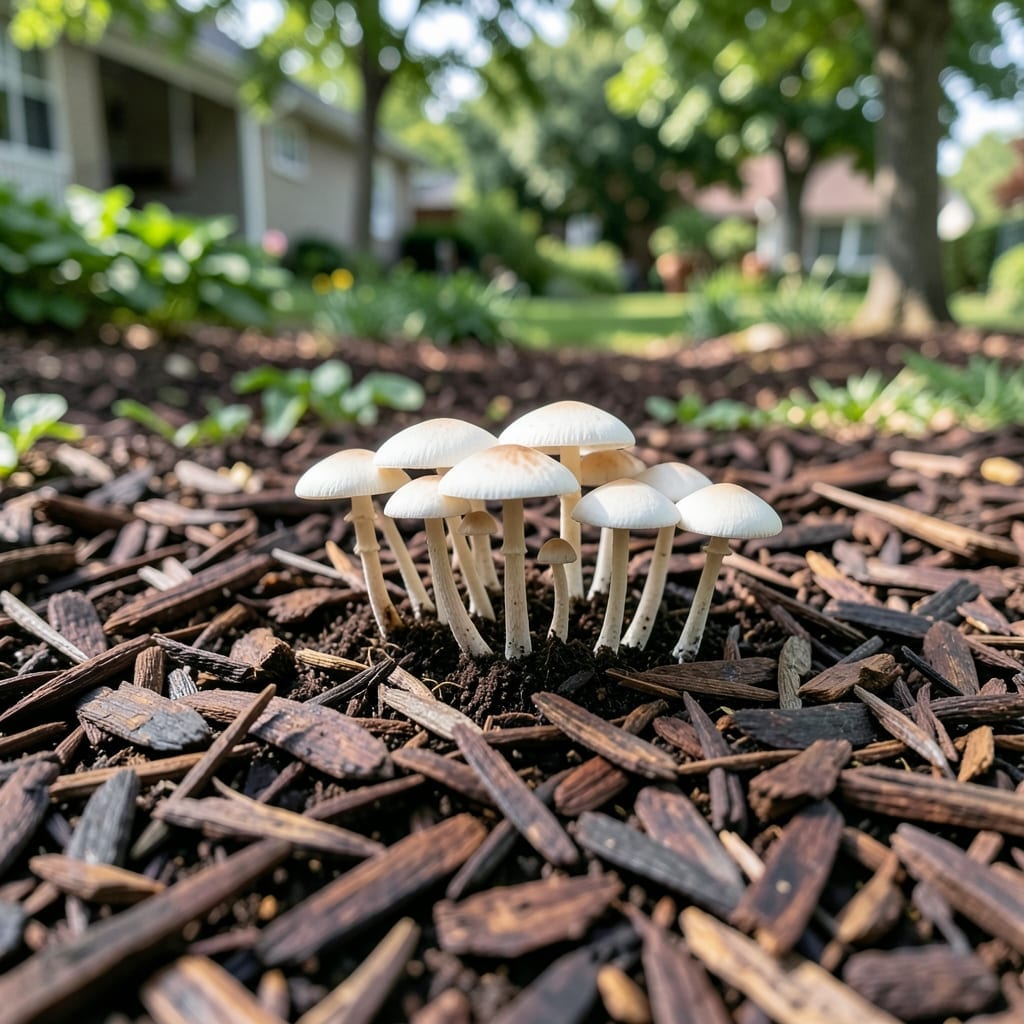
I spotted my first mulch mushrooms after a rainy week—tiny umbrellas popping up overnight like they owned the place.
Here’s the thing—they’re not harming your plants, but they’re not exactly welcome guests either. These fungi are nature’s cleanup crew, breaking down organic matter in your mulch. The issue? They can spread spores that might not be ideal for your garden’s ecosystem.
Between you and me, the solution is simpler than you think. A quick adjustment to your mulch type or maintenance routine usually does the trick. I’ve tested this approach across dozens of gardens with consistent results.
We’ll cover how to identify them, why they appear, and most importantly—how to keep them from coming back without resorting to harsh chemicals.
Mushrooms sprouting in mulch are often a sign of a healthy, decomposing environment—but they can also indicate underlying issues. Here’s why they appear:
Mulch is rich in organic material like wood chips, bark, or leaves. As it decomposes, fungi—nature’s recyclers—break down lignin and cellulose, releasing nutrients. Saprotrophic mushrooms thrive in this process, feeding on decaying matter. This is normal, but excessive growth may mean your mulch is too thick or old.
Overwatering, poor drainage, or heavy rainfall can create a damp, shaded environment under mulch. Fungi love moisture, and mulch retains it like a sponge. If your mulch stays soggy for days, it’s a prime breeding ground for mycelium—the fungal network that spawns mushrooms.
Fungi flourish in temperatures between 70–90°F (21–32°C) with high humidity. Mulch insulates the soil, trapping heat and moisture. In warm, humid climates (or after heavy rain), spores germinate rapidly. Even in cooler areas, composting mulch can generate heat, accelerating fungal growth.
Fungal spores are everywhere—airborne, in soil, or hitchhiking on garden tools. Disturbing mulch (e.g., tilling or adding fresh layers) can activate dormant spores. If your mulch contains unfinished compost or manure, it may already harbor active fungi, leading to sudden mushroom clusters.
While most mulch mushrooms are harmless, addressing these causes (thinning mulch, improving drainage, or turning layers) can reduce their spread.
Mushrooms in mulch are usually harmless, but if you want a cleaner look or have safety concerns, here’s how to handle it:
Mushrooms thrive in damp conditions. To fix this:
Prevention tip: 💡 Ensure your mulch bed has proper drainage to avoid waterlogging.
Decaying wood or leaves fuel mushroom growth. Try this:
Prevention tip: ✨ Regularly turn your mulch to disrupt fungal growth cycles.
Shady, damp spots encourage mushrooms. Solutions:
Prevention tip: 🎯 Position mulch in well-lit areas to discourage fungi naturally.
If mushrooms keep returning:
Prevention tip: 🌡️ Maintain a balanced mulch depth (2-3 inches) to limit fungal habitats.
Most mulch mushrooms are harmless saprotrophs that break down organic matter. They won’t harm your plants, but some wild varieties could be toxic if ingested by pets or children.
Reduce moisture by raking mulch regularly and ensuring good drainage. Use cedar or cypress mulch, which naturally resists fungi. Keep mulch depth at 2-3 inches to discourage growth.
Yes, wearing gloves is the safest method. Pull them up gently and dispose in sealed bags to prevent spore spread. Avoid composting them to keep spores out of your garden.
A 1:4 vinegar-to-water solution can help kill existing spores on the surface. Apply with a spray bottle, but avoid oversaturating the mulch. Repeat as needed.