
Beautiful Plants For Your Interior
Beautiful Plants For Your Interior
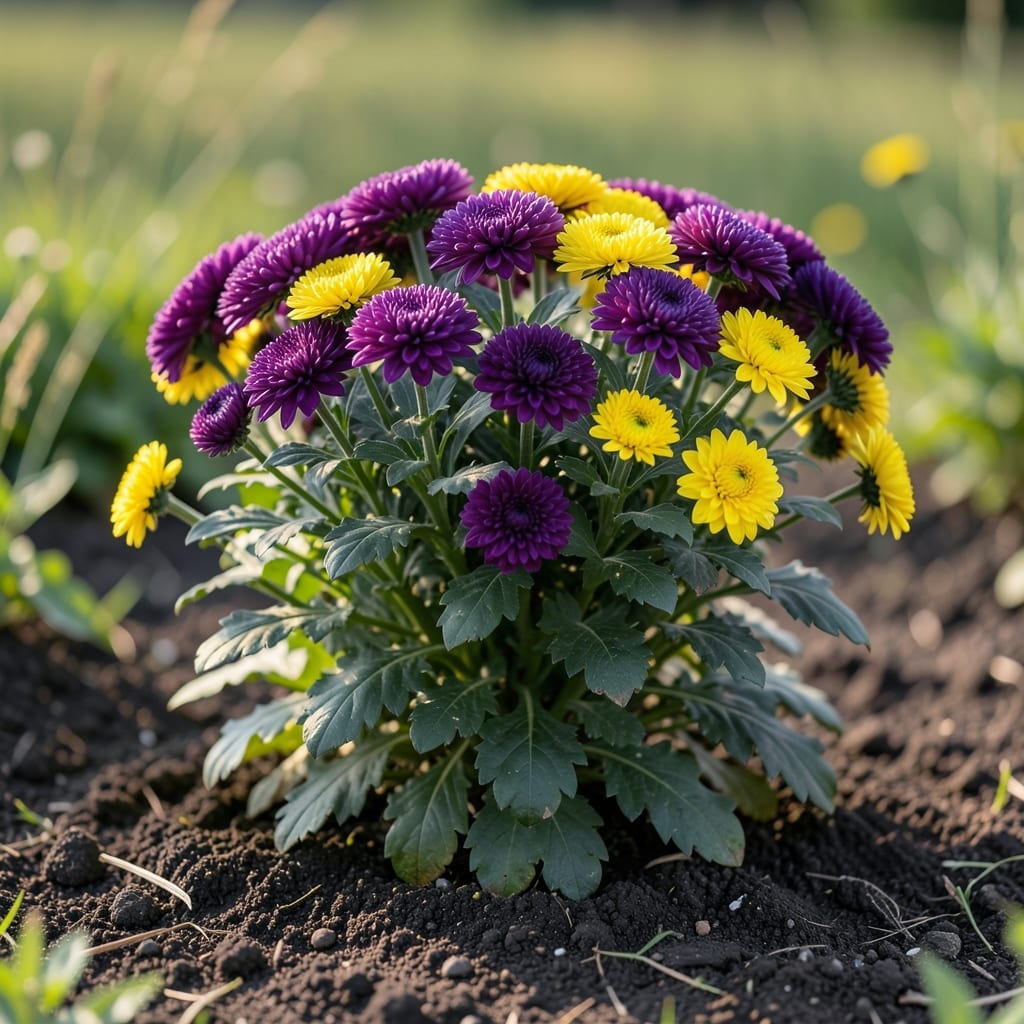
Six hours of direct sunlight makes all the difference. I learned this the hard way after my first mums produced weak, leggy stems and sparse blooms in a shady corner.
These plants aren’t just sun-lovers—they demand it. Full morning sun with some afternoon protection in hotter zones gives you the most vibrant colors and compact growth. Even partial shade works, but expect fewer flowers.
What you get with the right light is bushy plants covered in blooms that last through first frost. The difference between sun-starved and sun-soaked mums is shocking.
Works whether you’re planting in beds, containers, or window boxes. Here’s how to nail the exposure for your space.
Understanding why mums struggle with sunlight starts with recognizing their natural preferences and environmental pressures. Here’s why the issue arises:
Mums (Chrysanthemum spp.) are photoperiodic plants, meaning their flowering is triggered by shortening daylight hours in fall. If they don’t receive at least 6 hours of direct sunlight daily, their growth becomes leggy, and blooms are sparse or weak. This happens because chlorophyll production (essential for photosynthesis) drops in low light, starving the plant of energy to form vibrant flowers.
While mums love sunlight, scorching midday rays (especially in hot climates) can bleach petals and wilt leaves. Excessive UV radiation damages cellular structures, leading to sunscald—brown patches on leaves or dried-out buds. Mums thrive in bright, indirect light or dappled shade during peak heat.
Mums are short-day plants, meaning they require longer nights (12+ hours of darkness) to initiate blooming. If artificial light (e.g., porch lights) interrupts this cycle, the plant may fail to flower. This is why timing—planting in late summer for fall blooms—is critical to align with their natural rhythm.
Even with perfect light, poor soil drainage or compacted roots can hinder a mum’s ability to uptake water and nutrients, making it more susceptible to sun stress. Roots that sit in waterlogged soil suffocate, reducing the plant’s resilience to environmental pressures like heat or drought.
If your mums aren’t thriving, adjusting their sunlight exposure can make all the difference. Here’s how to address common light-related problems and keep your blooms vibrant.
If your mums look leggy or produce few flowers, they likely need more light. Move them to a spot that receives at least 6 hours of direct sunlight daily. South- or west-facing locations are ideal. For potted mums, shift them gradually to avoid shock. Prevention tip: 💡 Start with a sunny location from the beginning to avoid stunted growth.
Yellowing leaves or wilting can signal sunburn. Shield mums from harsh afternoon sun, especially in hot climates. Use shade cloth (30-40% density) or place them under a tree with dappled light. Water deeply in the morning to help them recover. Prevention tip: 🌡️ Monitor soil moisture—dry, cracked soil is a red flag for excessive sun exposure.
Mums hate sudden changes. If they’ve been in shade and you move them to full sun, do it over 7-10 days, increasing sun exposure by 1-2 hours daily. This acclamation prevents stress. Prevention tip: ✨ Rotate potted mums weekly for even growth and balanced blooms.
As days shorten in fall, supplement with grow lights (12-14 hours/day) if natural light drops below 6 hours. This keeps late-season mums flowering. Prevention tip: 🎯 Plant mums in early fall to align with their natural blooming cycle and optimal sunlight.
Small tweaks can yield big results—observe your plants and adjust as needed!
Mums thrive with 6-8 hours of direct sunlight each day. Less than this leads to weak stems and fewer blooms. In hotter climates, morning sun with afternoon shade works best.
Yes, but expect fewer flowers and leggier growth. Partial shade (4-6 hours of light) is tolerable, though full sun yields the most vibrant, compact plants.
Excessive sun can cause wilting, yellowing leaves, or sunscald. In intense heat, provide afternoon shade and keep soil moist. Dappled light helps prevent damage.
In fall, shorter days trigger blooming. If natural light drops below 6 hours, supplement with grow lights to maintain healthy growth.