
Beautiful Plants For Your Interior
Beautiful Plants For Your Interior
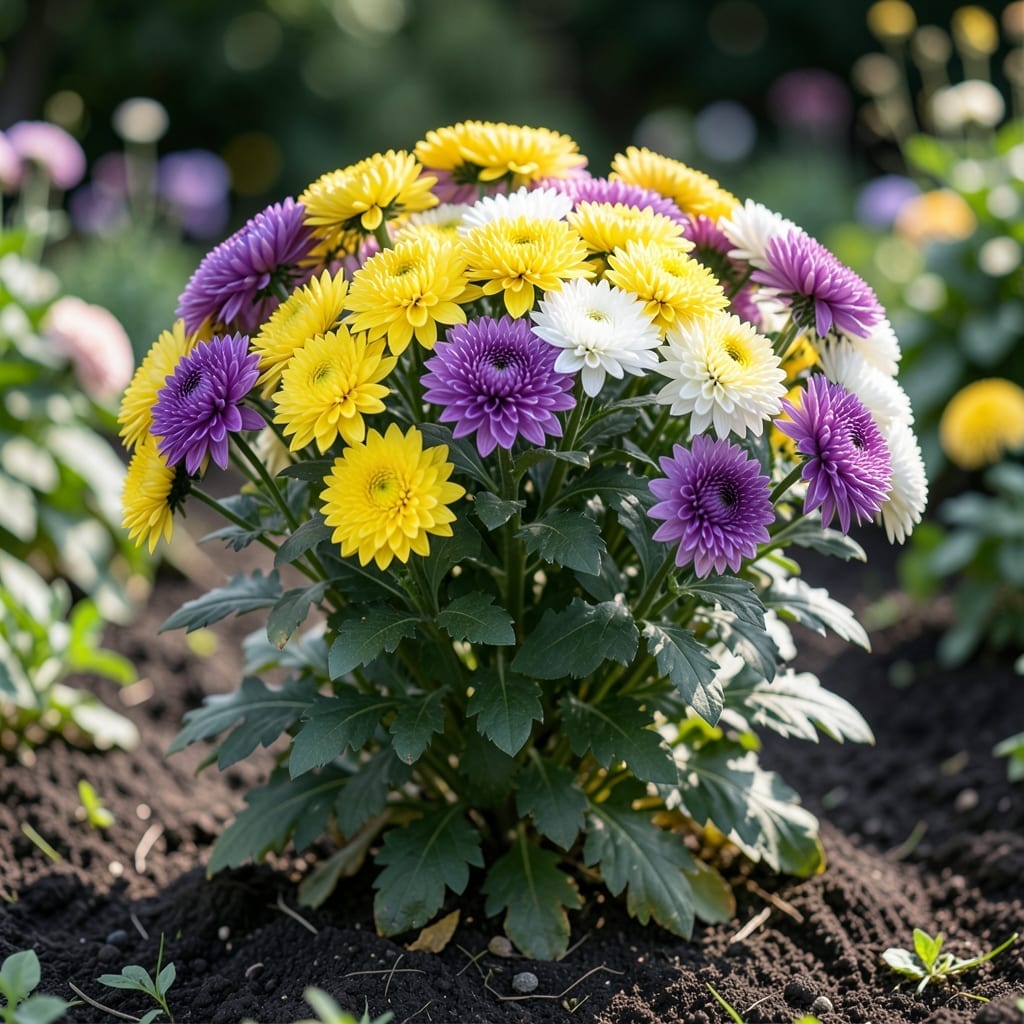
Nothing transforms a fall garden quite like the vibrant burst of 🌼 Chrysanthemum blooms. Yet, many gardeners struggle to achieve that perfect display, often overlooking one crucial element: light.
Whether you’re planting in pots or garden beds, the amount of sunlight your mums receive directly impacts their growth and flowering. Too little, and you’ll get weak stems with sparse blooms. Too much, and you risk scorching the delicate petals.
I’ve learned through trial and error that getting this balance right is the key to lush, healthy plants. And the good news? It’s simpler than you might think.
Discover how to give your mums the ideal conditions they need to thrive, no matter where you’re growing them.
 Best Window Placement
If you want your chrysanthemums to burst with color, sunlight is non-negotiable. I’ve found that garden mums thrive best with 6+ hours of direct sun daily for those vibrant fall blooms.
Florist mums, often sold in pots, can tolerate a bit less light but still need bright indirect light for at least 4-6 hours to maintain their compact, bushy shape and rich colors.
| Type | Ideal Sunlight | Minimum Light |
|---|---|---|
| Garden Mums | 6+ hours direct sun | 4-5 hours |
| Florist Mums | 4-6 hours bright light | 3-4 hours |
| Shade-Tolerant Varieties | Morning sun + afternoon shade | 2-3 hours |
In my experience, morning sunlight is ideal because it’s less intense, reducing the risk of leaf scorch in hotter climates. Afternoon shade can be beneficial in USDA zones 8-9 where temperatures soar.
Watch for signs of too little light: leggy stems, sparse foliage, or fewer blooms. If your mums aren’t flowering well, they might need more sun. Try moving potted mums to a sunnier spot or trimming back nearby plants casting shade.
Conversely, too much sun can cause wilted leaves or brown edges, especially if the soil dries out. In extreme heat, I recommend mulching around the base to retain moisture and protect roots.
For fall planting, aim for a location that gets full sun during the shorter days. This helps mums establish strong roots before winter. In spring, gradual acclimation to sunlight prevents shock for young plants.
If you’re growing mums indoors, place them near a south-facing window where they’ll get the most light. Rotate the pot weekly to ensure even growth and prevent the plant from leaning toward the light source.
For gardeners in cooler climates (zones 5-7), mums can handle full sun all day without issue. But in warmer areas, a bit of afternoon shade keeps them from stressing during peak heat.
Remember, consistent moisture pairs with sunlight for the best results. Check soil daily in full sun locations—mums in pots dry out faster than those in the ground. A drip irrigation system can help maintain even moisture without wetting the foliage.
With the right balance of light and care, your mums will reward you with weeks of stunning blooms just when your garden needs it most.
🌼While mums thrive in full sun, they can tolerate partial shade with some adjustments. I’ve found that garden mums perform best with morning sun and afternoon shade in hotter climates. This balance helps prevent heat stress while still supporting blooms.
However, full shade isn’t ideal for most varieties. Without enough light, mums may grow leggy or sparse, with fewer flowers. If your garden lacks sunlight, consider shade-tolerant varieties like ‘Anastasia Green’ or ‘Clara Curtis’. These can handle 4-6 hours of dappled light better than others.
For partial shade success, I recommend planting mums where they’ll get at least 4-6 hours of sunlight daily. Morning sun is preferable because it’s less intense and dries dew quickly, reducing disease risk. In my experience, mums in eastern-facing beds often outperform those in deep shade.
If you’re stuck with a shady yard, try container gardening. Move pots to sunnier spots as the sun shifts. I’ve had luck with ‘Mammoth Daisy’ mums in bright, indirect light on my patio. Just remember, more light equals more blooms—it’s that simple.
Watch for signs of stress like yellowing leaves or weak stems. These often mean your mums aren’t getting enough light. If you notice these, consider relocating them or pruning nearby plants to allow more sunlight.
Finally, don’t forget that soil quality and watering habits also impact shade tolerance. I always mulch around mums in shadier areas to retain moisture and improve soil health. With the right care, even shade-grown mums can reward you with color. ☀️