
Beautiful Plants For Your Interior
Beautiful Plants For Your Interior
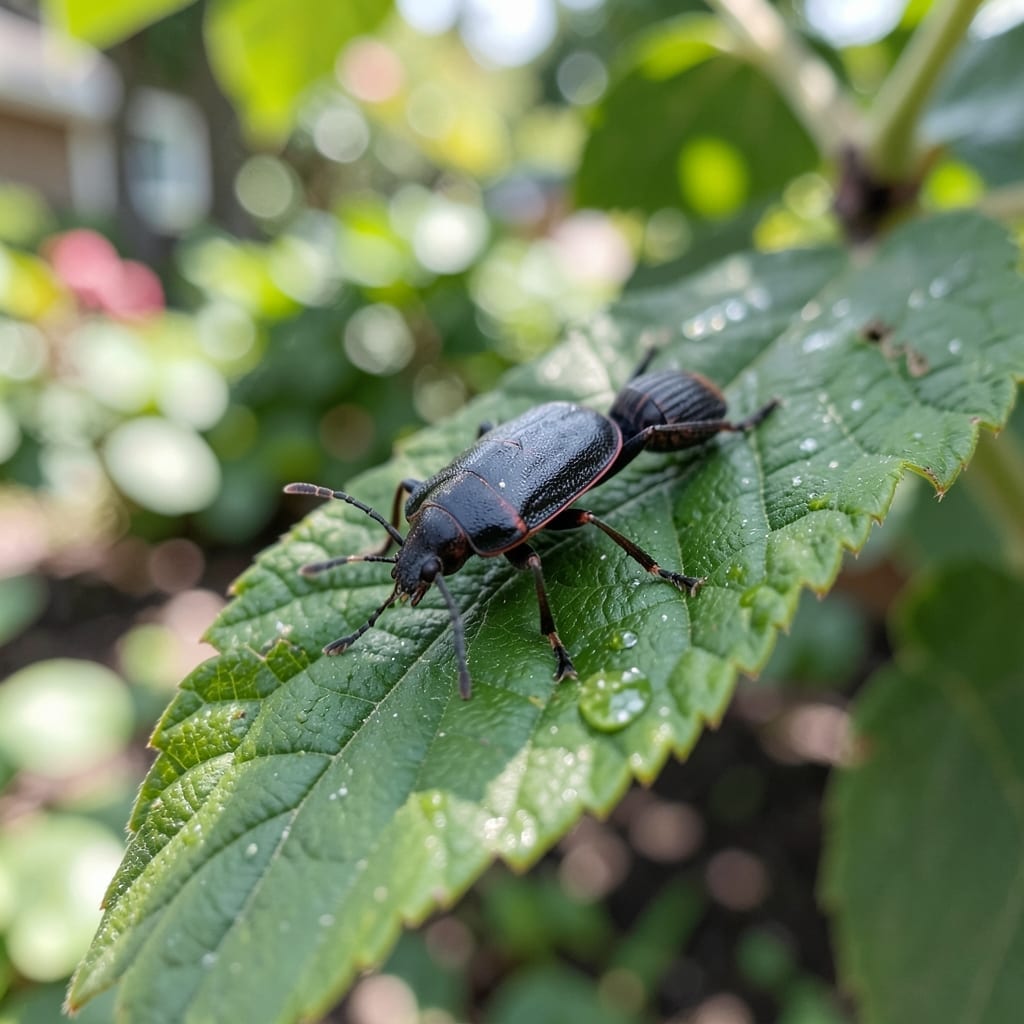
My mulberry tree went from lush to lace overnight. Tiny invaders can strip leaves faster than you’d believe, but I’ve learned to spot the culprits before they take over.
Whiteflies, scale, and spider mites love mulberries as much as we do. The key is catching them early—check undersides of leaves weekly for sticky residue or webbing. Natural predators like ladybugs often handle the problem before it starts.
Prevention beats treatment every time. Keep your tree healthy with proper watering and mulching, and you’ll attract the good bugs that keep the bad ones in check.
A little vigilance saves months of recovery. Here’s how to protect your tree without harsh chemicals.
Mulberry trees attract a variety of pests due to their lush foliage and sweet fruit. Understanding why these bugs appear is the first step in managing them effectively. Below are the primary causes, broken down by environmental, biological, and seasonal factors.
Mulberry trees produce high-sugar sap and protein-rich leaves, which serve as a magnet for insects like aphids, scale, and whiteflies. These pests thrive on the tree’s abundant nutrients, rapidly multiplying if left unchecked. The tree’s fast growth and dense canopy also create an ideal microclimate for infestations.
Warm, humid climates accelerate bug activity. Mulberry trees in regions with mild winters and wet springs are especially vulnerable. Moisture promotes fungal growth, which attracts secondary pests like borers. Drought stress, conversely, weakens the tree, making it more susceptible to attacks from beetles and mites.
When beneficial insects (e.g., ladybugs, lacewings, or parasitic wasps) are absent, pest populations explode. Overuse of broad-spectrum pesticides can kill these natural enemies, disrupting the ecosystem. Planting companion species (e.g., marigolds or yarrow) can help restore balance.
Falling fruit, dead branches, and leaf litter create breeding grounds for bugs. Pruning to improve airflow and removing debris reduces hiding spots. Additionally, over-fertilization (especially with nitrogen) can soften new growth, making it easier for pests like spider mites to pierce and feed.
Dealing with pests on your mulberry tree? Here’s how to tackle common issues and keep your tree healthy.
These tiny bugs suck sap from leaves, causing curling and yellowing. Blast them off with a strong stream of water early in the day. For stubborn infestations, mix 1 tbsp of neem oil + 1 tsp of dish soap in a gallon of water and spray every 5–7 days.
Scale bugs look like small bumps on branches. Scrub them off with a soft toothbrush dipped in soapy water. For heavy infestations, apply horticultural oil in late winter before new growth starts. This suffocates the pests without harming the tree.
These pests thrive in dry conditions. Mist your tree regularly or place a tray of water near the base to boost humidity. If needed, use insecticidal soap (follow label instructions) to knock them out.
Boring insects tunnel into the trunk, weakening the tree. Prune and destroy infested branches immediately. Prevent future attacks by applying a kaolin clay spray to the trunk—it creates a barrier. Keep your tree healthy with proper watering and mulching to deter borers.
Look for yellowing leaves, sticky residue, or tiny webs. Check leaf undersides weekly for clusters of bugs or eggs. Early detection makes treatment much easier.
Start with a strong water spray to dislodge bugs. Use neem oil or insecticidal soap for stubborn cases. Always apply in the early morning or late evening.
Yes, many mulberry pests like aphids and spider mites can move to neighboring plants. Isolate heavily infested branches and treat quickly to prevent spread.
Act at the first sign of trouble. For preventative care, apply horticultural oil in late winter before new growth appears. Consistency is key!