
Beautiful Plants For Your Interior
Beautiful Plants For Your Interior
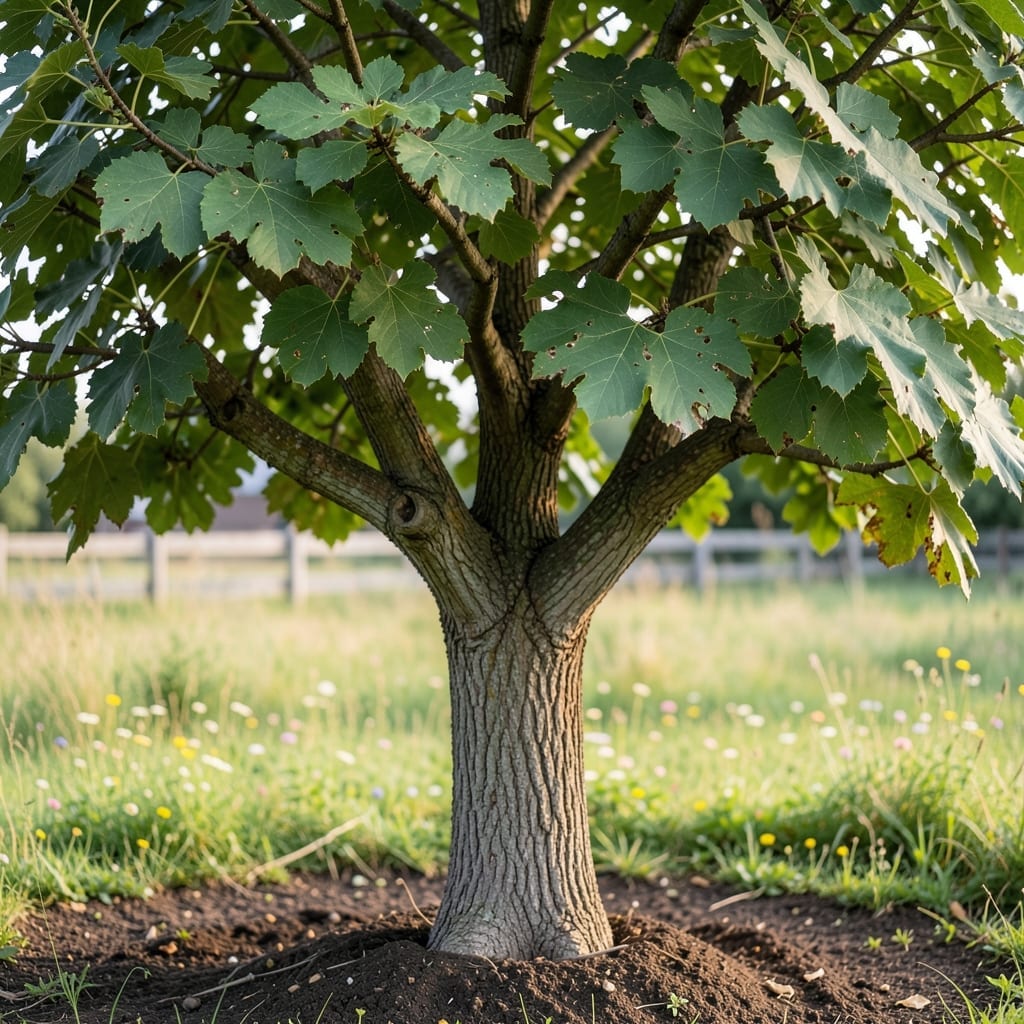
I was shocked to learn mulberry leaves aren’t as safe as I assumed. 🌿 White mulberry leaves contain compounds that can be toxic in large amounts, especially for pets and livestock.
Humans can eat them in moderation, but unripe berries and certain varieties carry risks. Always verify the species and watch for reactions. When in doubt, keep them out of reach and opt for known-safe alternatives.
📚 In This Guide
Here’s how I manage these plants without risk—simple precautions keep everyone protected.
Start by confirming you’re dealing with white mulberry (Morus alba), as its leaves contain the highest concentrations of toxic compounds. The unripe berries and milky sap are also problematic. I always check for the tree’s distinctive lobed leaves and small, clustered fruits.
Red and black mulberry leaves are less concerning, but I still handle them with care. The key is knowing that raw, unprocessed leaves from white mulberry can cause mild poisoning if ingested in large quantities. When in doubt, assume all parts are unsafe until verified.
Before touching any part of the tree, put on long sleeves, gloves, and safety glasses. The sap can irritate skin and eyes, and I’ve learned the hard way that even brief contact can cause a rash. Use clean, sharp pruners to minimize sap exposure.
If you’re harvesting berries, wait until they’re fully ripe—deep purple or black for black mulberries, red for red varieties. Green or white berries are not safe to eat. Always wash your hands thoroughly after handling any part of the plant.
Mulberry leaves are particularly dangerous for horses, cattle, and pets, as they can cause digestive upset or more severe reactions. I make sure to rake up fallen leaves and berries immediately, especially in areas where animals graze or play.
Composting mulberry leaves is also risky—unless the compost reaches 140-160°F for an extended period, the toxins may persist. I either dispose of them in sealed bags or avoid composting them altogether to be safe.
If you have kids or curious pets, teach them to never put mulberry leaves or unripe berries in their mouths. I’ve found that a simple rule—”if it’s not deep purple, don’t touch it”—works well for children. For pets, supervision is key, especially during berry season.
Post a small sign near the tree as a reminder: “Caution: Mulberry leaves and unripe berries may be toxic.” It’s a simple step, but it’s prevented more than one close call in my experience.
If someone eats mulberry leaves or unripe berries, watch for nausea, vomiting, dizziness, or diarrhea within 30 minutes to 2 hours. In pets, look for drooling, lethargy, or loss of appetite. I keep the poison control hotline number (1-800-222-1222) saved in my phone for emergencies.
For mild skin irritation from sap, wash the area with soap and water and apply a cool compress. If symptoms persist or worsen, seek medical attention immediately. Real talk: it’s better to be overcautious than to regret taking a risk.
Took me a while to learn these the hard way, so let me save you the trouble.
Identification Tip: Confession: I spent years assuming all mulberry leaves were equally risky until I learned that white mulberry (Morus alba) leaves are the most toxic. The lobed leaves and clustered fruits are your visual cues—never skip this verification step in Step 1.
The Heat Factor: If you’re composting mulberry debris, your pile must reach 140-160°F as mentioned in Step 3. Anything cooler and those toxins can linger. I use a compost thermometer to be absolutely sure—it’s a small investment for peace of mind.
Timing Secret: In Step 5, that 30 minutes to 2 hours window for symptoms to appear is critical. Don’t wait for severe reactions—if someone ingests leaves or unripe berries, start monitoring immediately and have that poison control number ready.
Safety Protocol: Here’s what nobody tells you—even a quick touch of sap can cause irritation. In Step 2, the long sleeves, gloves, and safety glasses aren’t optional. I learned this after getting a rash from just a few seconds of contact while pruning.
Mulberry leaves are generally safe for humans in moderation, but unripe leaves or excessive consumption may cause mild stomach upset due to alkaloids. Always cook them to reduce potential toxins. When in doubt, consult a healthcare professional.
No, mulberry leaves can be toxic to pets like dogs and cats, causing vomiting or diarrhea. The milky sap and unripe leaves contain compounds that may harm animals. Keep pets away from mulberry trees to avoid risks.
Symptoms may include nausea, vomiting, diarrhea, or dizziness, typically from eating large quantities of raw leaves. Severe cases are rare, but seek medical attention if symptoms persist or worsen.
Use mature, cooked leaves in small amounts for teas or dishes. Avoid raw consumption and unripe leaves. If foraging, ensure proper identification to avoid look-alike toxic plants. Always rinse thoroughly before use.