
Beautiful Plants For Your Interior
Beautiful Plants For Your Interior
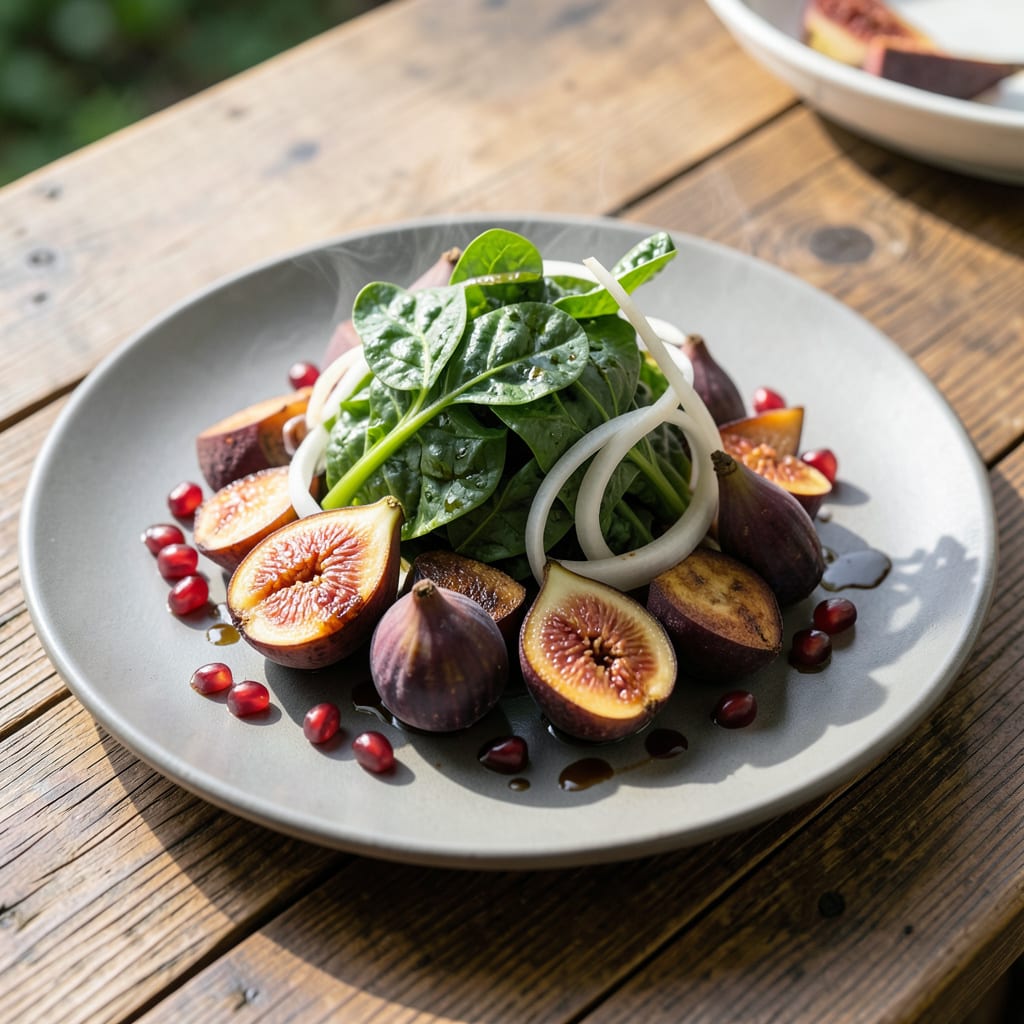
Every plant tells its story through three key players. I’ve spent seasons watching how leaves capture sunlight, roots anchor and feed, and fruits protect the next generation.
Healthy growth starts with understanding what each part needs. Leaves crave light and air, roots demand moisture and space, while fruits require patience and care. Nail these, and your garden thrives like never before.
📚 In This Guide
Understanding how each plant part functions helps you grow stronger, more productive specimens every season.
Leaves are your plant’s solar panels, converting sunlight into energy through photosynthesis. I always check for deep green color and firm texture as signs of healthy foliage. Pale or yellowing leaves often indicate nutrient deficiencies or improper light exposure.
Watch for subtle changes in leaf orientation—upward-facing leaves usually mean adequate light, while drooping or wilting suggests water stress. I’ve found that morning inspection reveals the most accurate picture of leaf health, as plants recover from overnight water loss by dawn.
Roots anchor the plant while absorbing water and nutrients from the soil. A well-developed root system should appear white and fibrous when gently inspected. Brown or mushy roots signal overwatering or poor drainage conditions that need immediate attention.
I always ensure my containers have adequate drainage holes and use a well-aerated potting mix. Remember that root growth typically mirrors above-ground growth—if your plant looks stagnant, check the roots first. The ideal root-to-soil ratio fills about 2/3 of the container volume.
Fruits develop from pollinated flowers and contain the seeds for the next generation. I look for the first color change as the primary indicator that fruit set has occurred. Most varieties show visible growth within 3-5 days after successful pollination.
Maturity timing varies by species, but I’ve learned that fruits typically reach peak quality when they develop their full color and slightly soften to gentle pressure. Harvest in the morning when sugar content is highest for the best flavor and storage life.
A healthy plant allocates energy appropriately between leaves, roots, and fruits. I’ve noticed that excessive leaf growth often comes at the expense of fruit production, while too much fruit can stress the root system. The ideal ratio maintains 40% foliage, 30% roots, and 30% fruit by volume.
When I see imbalances, I adjust care accordingly—reducing nitrogen for leaf-heavy plants or providing additional water during fruit development. Regular observation helps catch these issues before they affect overall plant health and productivity.
Mastering plant care comes down to observing these subtle but critical details.
Leaf Health Insight: In Step 1, when checking for deep green color and firm texture, do this in consistent lighting conditions. I once misdiagnosed perfectly healthy leaves as nutrient-deficient simply because I inspected them under dim evening light. Morning checks, as mentioned, reveal the most accurate picture since plants have recovered from overnight water stress.
Root System Warning: The 2/3 container volume ratio in Step 2 isn’t just a suggestion—it’s a lifeline. I learned this after losing several plants to root-bound conditions. When roots circle the bottom of the pot or protrude from drainage holes, it’s time to repot immediately, even if the plant looks healthy above soil.
Fruit Development Tip: That 3-5 day visible growth window in Step 3 is your early warning system. If you don’t see growth within this timeframe after pollination, check for environmental stressors like temperature fluctuations or inadequate pollination. I keep a garden journal to track these patterns across different plant varieties.
Energy Allocation Strategy: The 40-30-30 ratio in Step 4 works because it prevents resource competition. When I notice foliage exceeding 40%, I reduce nitrogen fertilizer and increase phosphorus to redirect energy toward root and fruit development. This adjustment often restores balance within two weeks.
Most plants thrive in well-draining soil, 6-8 hours of sunlight, and consistent watering. Leafy greens prefer cooler temps, while fruits often need warmer climates. Always check species-specific needs!
Root growth varies by plant type. Fast growers like radishes may sprout roots in 3-5 days, while trees can take weeks or months. Patience and proper soil moisture are key.
Yes! Composted leaves add nutrients, and fruit scraps (like banana peels) provide potassium. Avoid citrus or diseased plant parts, as they can harm soil balance.
Yellow leaves often signal overwatering, nutrient deficiency (like nitrogen), or poor drainage. Check soil moisture and adjust care—sometimes less is more!
Absolutely! Try carrots (roots), spinach (leaves), and tomatoes (fruits). Many herbs like basil also fit this category—great for beginners!
