
Beautiful Plants For Your Interior
Beautiful Plants For Your Interior
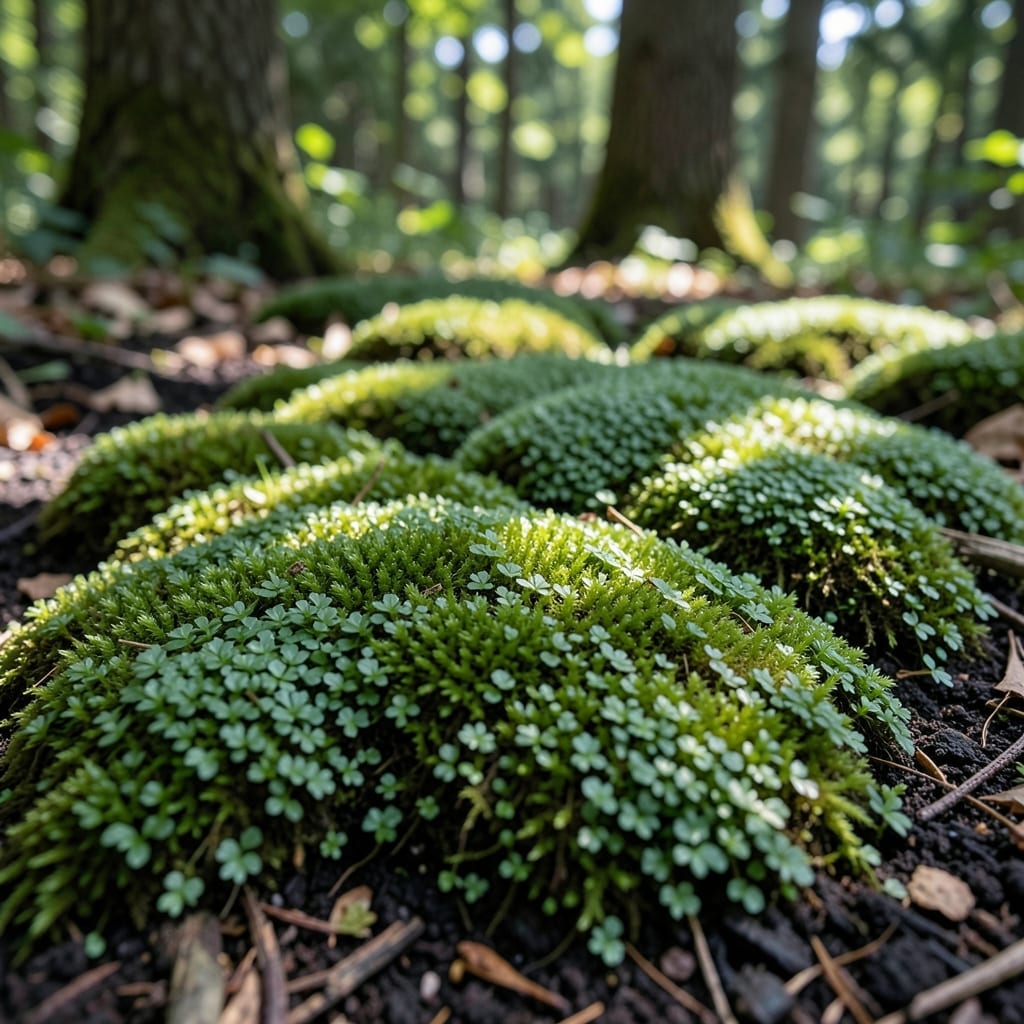
That green carpet on your pond edges isn’t just unsightly—it’s stealing nutrients from your water. I’ve battled moss in my own pond for years, and the solution starts with understanding why it’s thriving in the first place.
Moss loves damp, shaded dirt with poor drainage, the exact conditions most pond banks create. Left unchecked, it spreads fast, turning clear water murky and choking out other plants. The fix isn’t harsh chemicals—it’s smarter management.
Natural removal works: rake it out, improve airflow, and adjust sunlight. Prevention is simpler still: keep soil slightly acidic and avoid over-watering. Your pond will thank you with crystal-clear water and healthier aquatic life.
Works for new ponds or old ones needing a refresh. Here’s how to take back control.
Understanding why moss appears on dirt—especially in pond environments—helps you tackle the root of the problem. Here are the primary causes:
Moss thrives in damp, waterlogged conditions. If your pond edges or surrounding soil retain too much water due to poor drainage, inadequate sunlight, or frequent rainfall, moss spores take hold. Action: Improve drainage with gravel or sand, and ensure proper water flow away from the area.
Shady spots with limited sunlight are moss magnets. Unlike most plants, moss doesn’t need much light to grow, making it dominant in dimly lit areas. Action: Trim overhanging branches or relocate plants to increase sunlight exposure.
Compacted or nutrient-poor soil lacks the vitality to support grass or other plants, leaving bare patches where moss can settle. Acidic soil (pH below 6.0) also favors moss growth. Action: Test your soil and amend it with lime to raise pH or organic matter to boost fertility.
Moss often invades areas where other vegetation is sparse or weak. Thin lawns, bare dirt, or poorly maintained pond banks give moss an open invitation. Action: Overseed with hardy plants or ground covers to outcompete moss naturally.
Moss thriving in your pond’s dirt can be stubborn, but these targeted fixes will restore clarity and balance. Address the root causes with simple, natural solutions.
Moss loves dim, damp spots. Trim overhanging trees or shrubs to let sunlight reach the water. If shade is unavoidable, add floating plants like water lilies to compete with moss for light. Aim for 4–6 hours of direct sunlight daily to inhibit growth.
Prevention tip: 💡 Position new ponds in sunnier areas from the start.
Stagnant water encourages moss. Install a small fountain or aerator to keep water moving. Even a DIY solution, like a solar-powered pump, disrupts moss spores from settling. For larger ponds, consider a bottom aeration system to oxygenate deeper layers.
Prevention tip: 🎯 Clean pumps and filters regularly to maintain steady flow.
Moss often signals acidic or nutrient-rich water. Test pH with a kit—ideal range is 6.5–8.5. If too low, add crushed limestone or baking soda in small amounts. Reduce excess nutrients by limiting fish food and removing organic debris weekly.
Prevention tip: ✨ Use barley straw (natural algae inhibitor) as a preventative treatment.
For immediate results, rake or net out moss gently to avoid stirring up spores. A stiff-bristled brush works for stubborn patches on liner or rocks. Never use chemical algaecides—they can harm pond ecosystems. Instead, follow up with sunlight and circulation fixes to prevent regrowth.
Prevention tip: 🌡️ Perform partial water changes (10–20%) monthly to dilute nutrient buildup.
Moss returns because underlying conditions like shade, moisture, or poor soil remain unchanged. Address these root causes first—improve drainage, increase sunlight, and adjust soil pH to prevent regrowth.
Moss itself isn’t toxic, but dense growth can block light and oxygen, stressing fish and plants. It also traps debris, which decays and raises nutrient levels, fueling more moss.
Yes, a 1:1 vinegar-water spray works as a spot treatment, but use sparingly near ponds—it can lower water pH. Reapply every 2-3 weeks until moss is gone.
Test pH and nutrient levels monthly during warm seasons. Aim for pH 6.5–8.5 and low nitrates/phosphates to discourage moss growth.