
Beautiful Plants For Your Interior
Beautiful Plants For Your Interior
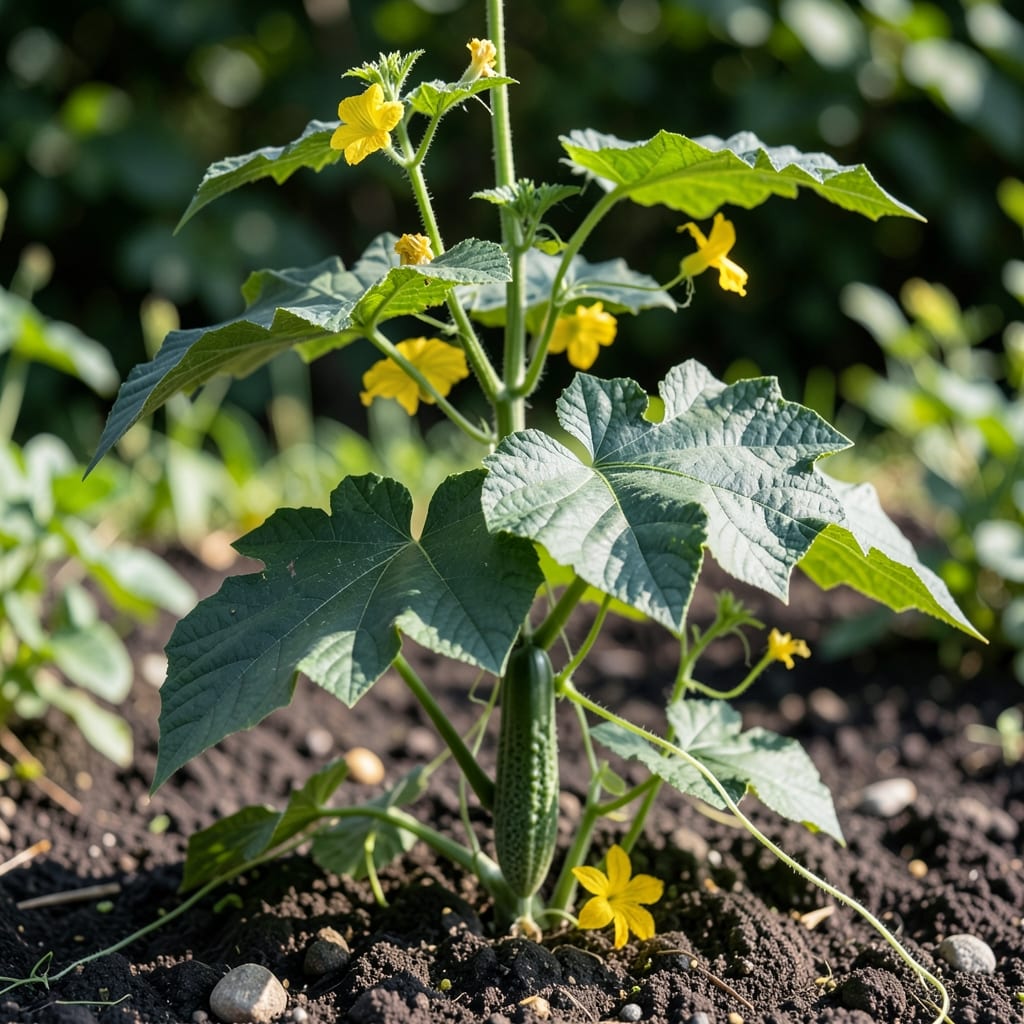
Bitter melon leaves thrive with the right touch. I’ve grown Momordica charantia for years, and its foliage is just as valuable as the fruit.
Start with well-draining soil and full sun. Within 60 days, you’ll have lush, medicinal leaves ready for harvest. The key is consistent moisture without waterlogging.
📚 In This Guide
Here’s the method I rely on for cultivating healthy leaves from this medicinal plant.
Choose a location with full sun exposure and well-draining soil. Momordica charantia thrives in warm climates, so ensure the site receives at least 6-8 hours of direct sunlight daily. I always test the soil drainage by digging a small hole and filling it with water—if it drains within 30 minutes, the site is suitable.
Amend the soil with organic compost to improve fertility and structure. Work the compost into the top 6-8 inches of soil to create a loose, nutrient-rich bed. Avoid heavy clay soils, as they retain too much moisture and can suffocate the roots.
If starting from seeds, sow them ½ inch deep and 12 inches apart in rows spaced 24 inches apart. Seeds germinate best at soil temperatures between 75-85°F. I like to soak the seeds in lukewarm water for 12 hours before planting to speed up germination.
For seedlings, transplant them when they have developed 2-3 true leaves. Dig a hole slightly larger than the root ball, place the seedling in, and backfill with soil. Press the soil gently around the base to remove air pockets, then water thoroughly to settle the soil.
Water the plants deeply once or twice a week, depending on rainfall and soil moisture levels. The goal is to keep the soil evenly moist but not waterlogged. I check the soil by inserting my finger 1 inch deep—if it feels dry, it’s time to water.
Apply a layer of organic mulch, such as straw or wood chips, around the base of the plants to retain moisture and suppress weeds. Mulching also helps regulate soil temperature, which is particularly beneficial during hot summer days.
Use a balanced organic fertilizer, such as a 5-5-5 blend, every 4-6 weeks to promote healthy leaf growth. I prefer liquid fertilizers for easier absorption, but granular options work as well. Apply the fertilizer in the early morning or late afternoon to avoid burning the leaves.
Monitor the plants for signs of nutrient deficiency, such as yellowing leaves or stunted growth. If these issues arise, adjust the fertilization schedule or switch to a nutrient-specific fertilizer to address the deficiency.
Begin harvesting leaves when the plant is well-established and has produced a good amount of foliage, usually 6-8 weeks after planting. Pick the leaves in the morning when their essential oils are most concentrated. Use clean, sharp scissors to snip the leaves from the stem, taking care not to damage the plant.
Harvest the older leaves first, as they contain higher concentrations of beneficial compounds. Regular harvesting encourages new growth and ensures a continuous supply of fresh leaves throughout the growing season.
From soil prep to harvest, these are the details that make a real difference.
Sunlight Essentials: Those 6-8 hours of direct sunlight daily are non-negotiable for healthy growth. If your site gets partial shade, expect slower development and smaller leaves. I’ve seen plants struggle with less than 6 hours, so prioritize a south-facing spot if possible.
Soil Drainage Test: The 30-minute drainage check in Step 1 is your best insurance against root rot. If water lingers beyond that, amend with more compost or sand. Heavy clay soil? Consider raised beds to ensure proper drainage.
Germination Boost: Soaking seeds for 12 hours in lukewarm water, as mentioned in Step 2, cuts germination time significantly. For even faster results, maintain soil temps between 75-85°F—use a seedling heat mat if your climate is cooler.
Harvest Timing: Waiting until the 6-8 week mark ensures maximum potency in the leaves. Harvesting too early means missing out on the full spectrum of beneficial compounds. Morning picks, as noted in Step 5, yield the most concentrated essential oils.
Start with well-draining soil, organic compost, and full sunlight. Plant seeds or seedlings in warm weather, water moderately, and avoid chemical fertilizers. Use natural pest control like neem oil for a thriving, chemical-free harvest.
Harvest leaves when the plant is mature, typically 60-90 days after planting. Pick young, tender leaves in the morning for the highest medicinal potency. Avoid over-harvesting to ensure continuous growth.
These leaves are rich in antioxidants and compounds like charantin, which may help regulate blood sugar, boost immunity, and support digestive health. They’re often used in traditional remedies for diabetes and infections.
Yes! Dry the leaves, steep 1-2 teaspoons in hot water for 5-10 minutes, and strain. Bitter melon leaf tea is a popular herbal remedy, but start with small amounts to assess tolerance.
Yellowing leaves often indicate overwatering, poor drainage, or nutrient deficiency. Check soil moisture, improve drainage, or add organic fertilizer. If pests are present, treat with natural solutions like insecticidal soap.